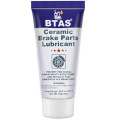
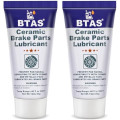
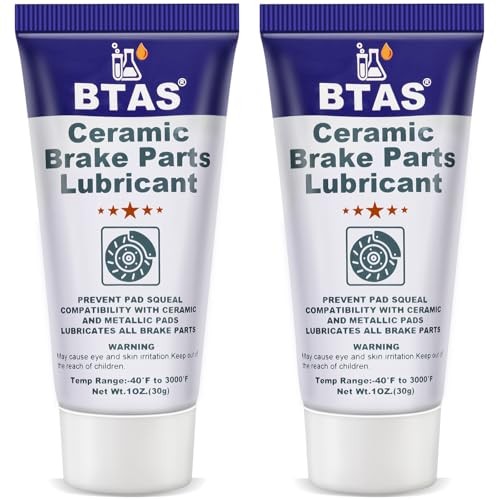
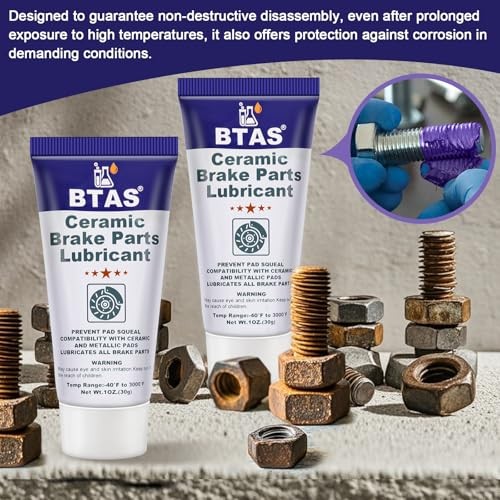
Two 30 g tubes
The 60 g total pack is compact enough for home garage use, small service jobs and keeping a clean spare tube closed until needed.
 Brake CareShop the complete range
 Cleaning KitsShop the complete range
 Fillers, Adhesives & SealantsShop the complete range
BTAS
Product prices and availability are accurate as of the date/time indicated and are subject to change. Any price and availability information displayed on Amazon.co.uk at the time of purchase will apply to the purchase of this product.
As an Amazon Associate we earn from qualifying purchases. This does not affect the price you pay.
MotorStash take
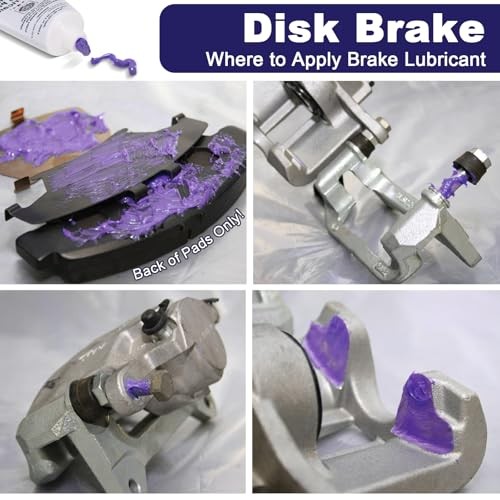
BTAS Brake Caliper Grease 60g is a high-temperature silicone and ceramic brake parts lubricant supplied as two 30 g tubes. It makes the most sense for disc brake service points such as guide pins, pad backs and contact areas when the label and vehicle service guidance allow it. It is not for discs, pad friction material, drums or any braking surface.
Best fit
This is a lubricant and assembly grease for selected brake hardware contact points. It belongs beside brake cleaners, caliper tools and pad service items, but it does a different job from brake fluid, brake cleaner or general anti-seize paste.
The two small tubes are practical if you want controlled application without opening a large tub. That matters around brakes because the right location and a thin film are more important than using a lot of product.

The 60 g total pack is compact enough for home garage use, small service jobs and keeping a clean spare tube closed until needed.
Use it for suitable caliper pins, pad backs and metal contact points only where the product label and service guidance permit lubrication.
Brake grease can help reduce contact-point noise when used correctly, but it should never be treated as a fix for worn, damaged or badly fitted brake parts.
Tubes make it easier to apply a small amount exactly where needed compared with dipping into a shared tub during a brake service.
The important decision is not simply whether a grease is high temperature. The useful question is whether the exact contact point should be lubricated at all.
Some caliper guide pins need a compatible lubricant so they can move smoothly. Check rubber boot compatibility and service guidance before applying any grease.
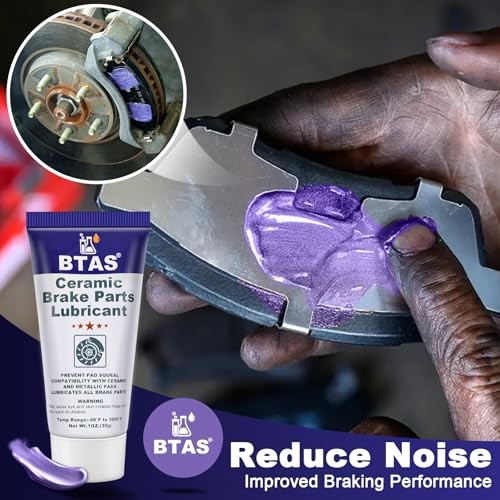
A thin film may be used on specified non-friction contact areas to help with assembly and noise control. Keep it away from the pad face.
Brackets, shims and contact points can need cleaning and careful lubrication depending on the brake design. Remove old contamination before applying fresh grease.
The product is positioned for brake parts including ceramic and metallic pad setups, but the pad maker and vehicle service notes still matter.
Never apply brake grease to discs, drums, pad friction material or shoe friction material. Contamination can reduce braking performance and may require corrective service.
If the job is removing brake dust, flushing hydraulic fluid or cleaning oil from parts, use the correct brake cleaner, brake fluid or service method instead.
Before you apply
Brake grease should be used sparingly on the correct non-friction points. Too much grease can attract dirt, spread during assembly or reach places it should not reach.
If you are unsure where the vehicle manufacturer expects lubricant, pause and check the service information. Guessing around brake components is not worth the risk.
Remove old grease, brake dust and corrosion from the relevant parts, then inspect pins, boots, clips, shims and pads for wear or damage.
Use the vehicle service notes and product label to decide where grease is permitted before the tube is opened.
Use only enough grease to coat the correct area. Wipe away excess before reassembly.
Check discs, drums, pads and shoes before final assembly. They must remain free from lubricant.
After brake work, follow normal service checks and confirm the pedal feel and brake operation before normal driving.
You need a compact brake caliper grease for controlled application on specified non-friction contact points during disc brake maintenance.
You need to clean brake dust or oil, top up hydraulic fluid, service a braking fault, or buy a larger container for repeated workshop use.
Continue comparing
Explore more products from the same catalogue category.
 ZDBB Copper Anti-Seize Grease, 1 oz, 1 Pack
£5.98
ZDBB Copper Anti-Seize Grease, 1 oz, 1 Pack
£5.98 ZDBB Copper Anti-Seize Grease 8oz Brush Top Bottle
£16.99
In stock
Save 25%
ZDBB Copper Anti-Seize Grease 8oz Brush Top Bottle
£16.99
In stock
Save 25% 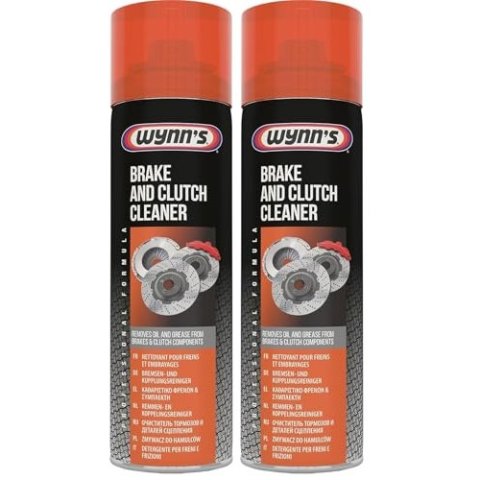 Wynn's Brake & Clutch Cleaner Spray, 500ml, Pack of 2
£14.98
Wynn's Brake & Clutch Cleaner Spray, 500ml, Pack of 2
£14.98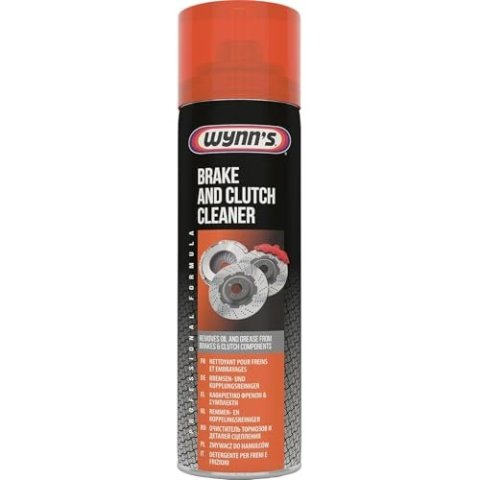 Wynn's Brake & Clutch Cleaner Spray 500ml
£7.49
Wynn's Brake & Clutch Cleaner Spray 500ml
£7.49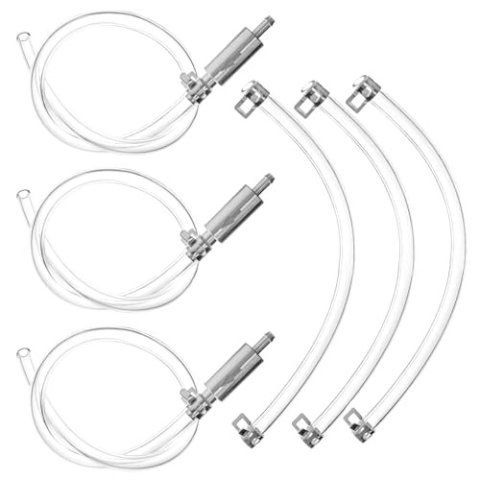 Wvbzf 3-Set Brake Bleeder Kit for Motorcycles and Vehicles
£4.49
Wvbzf 3-Set Brake Bleeder Kit for Motorcycles and Vehicles
£4.49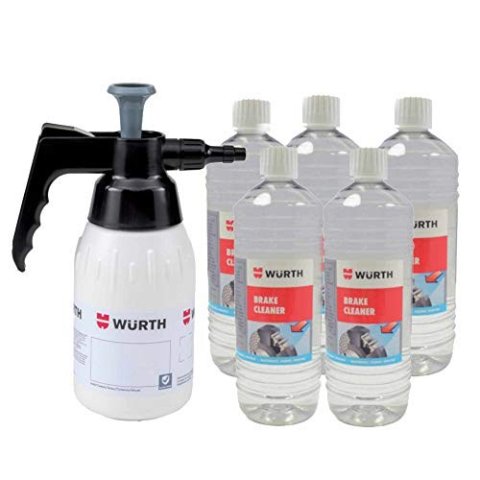 Wurth Pump Bottle and Brake Cleaner Pack
£63.99
In stock
Wurth Pump Bottle and Brake Cleaner Pack
£63.99
In stock
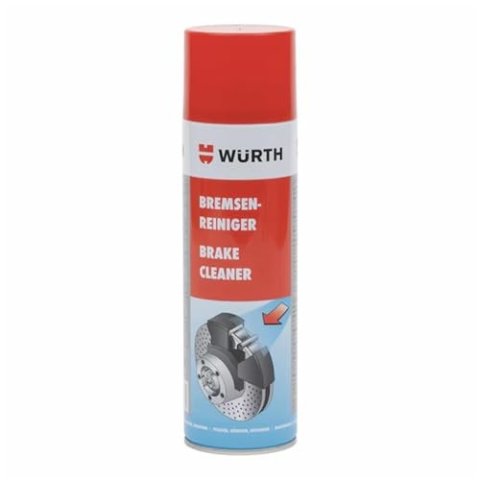 Wurth Brake Cleaner Aerosol 500ml, 1 Pack
£7.99
In stock
Wurth Brake Cleaner Aerosol 500ml, 1 Pack
£7.99
In stock
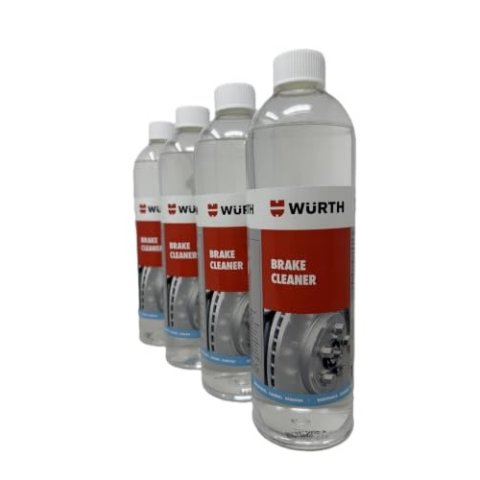 Wuerth Brake Cleaner with Pump, 24LT
£194.99
In stock
Wuerth Brake Cleaner with Pump, 24LT
£194.99
In stock