Engine-bay dressings
Finishing products intended for suitable under-bonnet plastics, rubber and related surfaces after cleaning and drying.
 Brake CareShop the complete range
 Cleaning KitsShop the complete range
 Fillers, Adhesives & SealantsShop the complete range
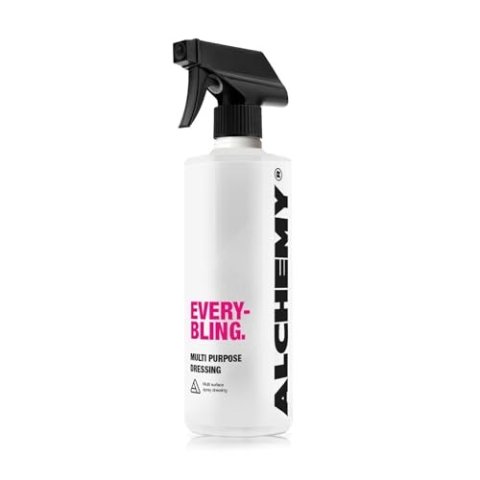 Alchemy Everybling Multi Purpose Dressing 500ml
£11.99
In stock
Alchemy Everybling Multi Purpose Dressing 500ml
£11.99
In stock
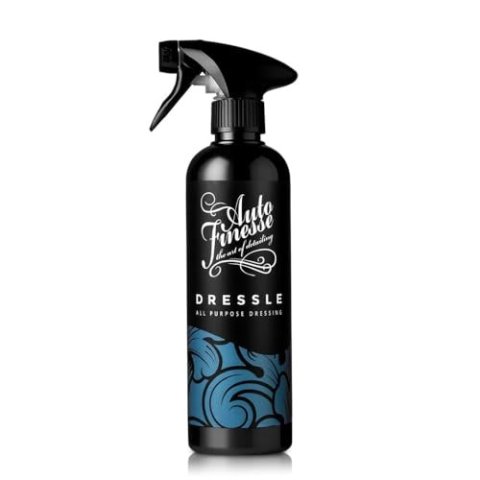 Auto Finesse Dressle all-purpose dressing, 500 ml
£12.95
In stock
Auto Finesse Dressle all-purpose dressing, 500 ml
£12.95
In stock
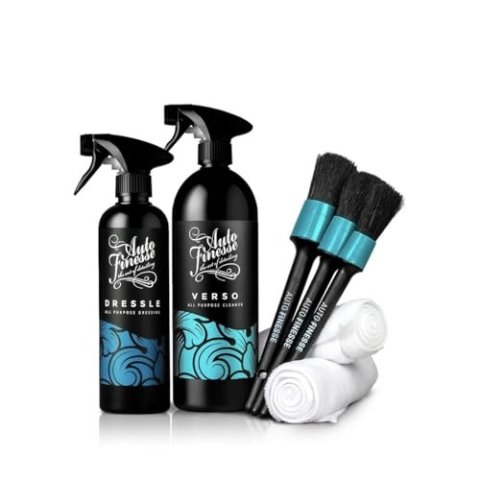 Auto Finesse Engine Bay Cleaning Kit with Degreaser, Dressing and Brushes
£42.95
In stock
Auto Finesse Engine Bay Cleaning Kit with Degreaser, Dressing and Brushes
£42.95
In stock
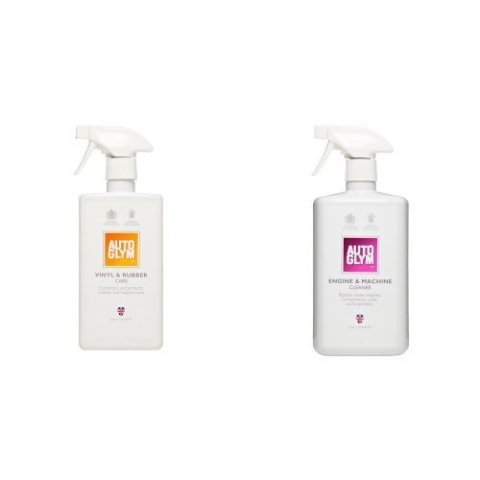 Auto Glym Vinyl and Rubber Care 500ml + Machine Cleaner 1 Litre
£21.80
In stock
Auto Glym Vinyl and Rubber Care 500ml + Machine Cleaner 1 Litre
£21.80
In stock
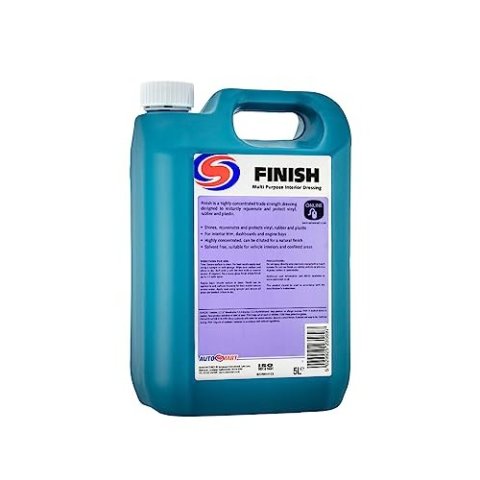 Autosmart Finish Dressing 5L for Vinyl, Rubber and Plastic
£54.32
In stock
Autosmart Finish Dressing 5L for Vinyl, Rubber and Plastic
£54.32
In stock
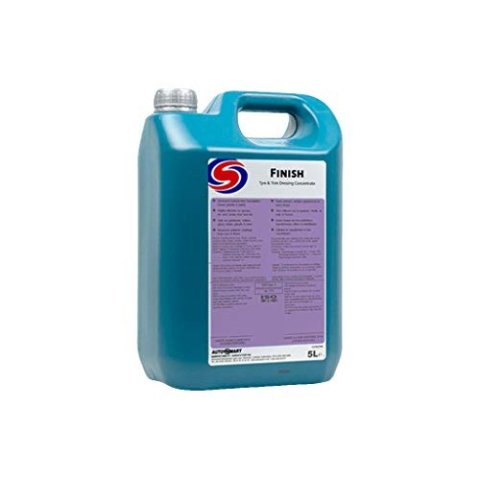 Autosmart Finish Interior, Trim, Tyre and Engine Dressing Shine Concentrate, 5L
£68.90
In stock
Autosmart Finish Interior, Trim, Tyre and Engine Dressing Shine Concentrate, 5L
£68.90
In stock
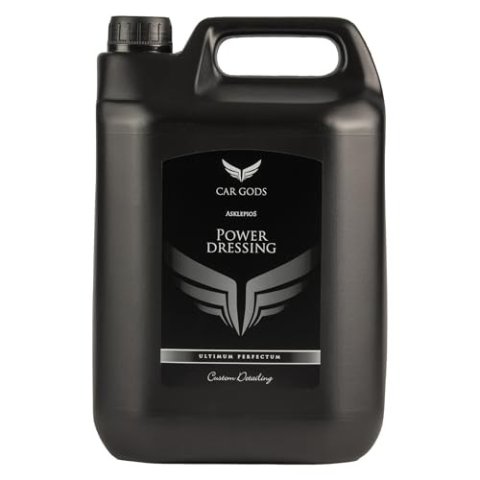 Car Gods Power Dressing 5L for Plastic Trims and Engine Bays
£44.99
In stock
Car Gods Power Dressing 5L for Plastic Trims and Engine Bays
£44.99
In stock
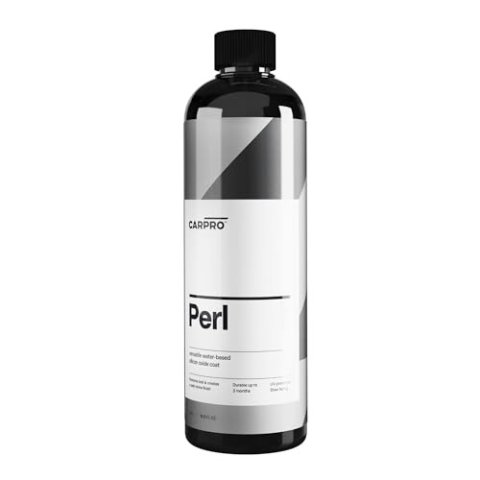 CarPro PERL 500mL water-based dressing for plastic, rubber and leather
£18.00
In stock
CarPro PERL 500mL water-based dressing for plastic, rubber and leather
£18.00
In stock
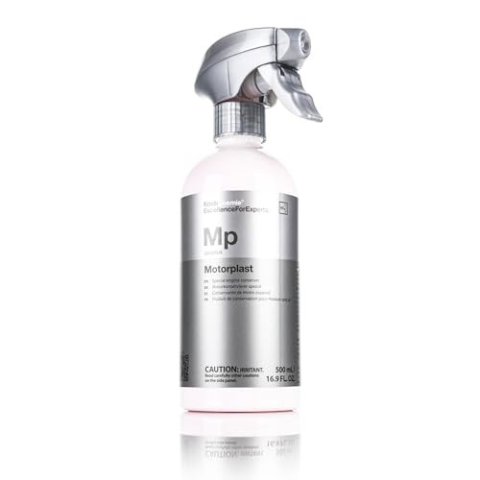 Koch-Chemie Motorplast engine conserver, naturally shiny finish, 500 ml
£14.00
In stock
Koch-Chemie Motorplast engine conserver, naturally shiny finish, 500 ml
£14.00
In stock
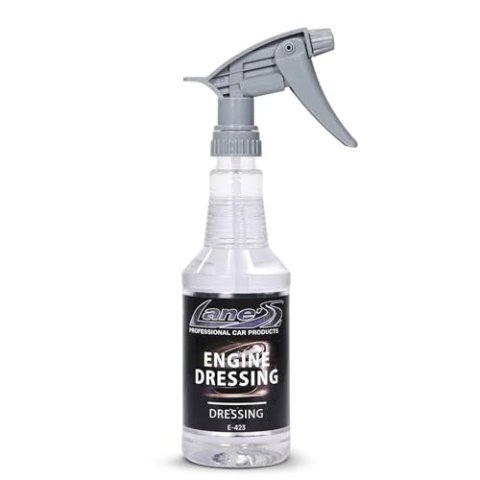 LANE'S Engine Dressing 16 oz Engine Bay Cleaner and Protector
£42.86
In stock
LANE'S Engine Dressing 16 oz Engine Bay Cleaner and Protector
£42.86
In stock
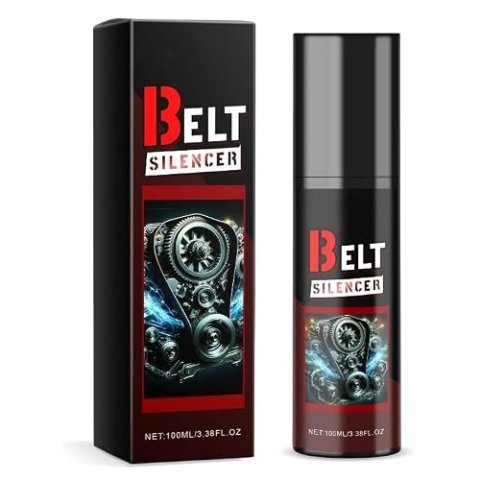 Mciluyaiio 100ml Engine Belt Conditioner Spray
£8.91
In stock
Mciluyaiio 100ml Engine Belt Conditioner Spray
£8.91
In stock
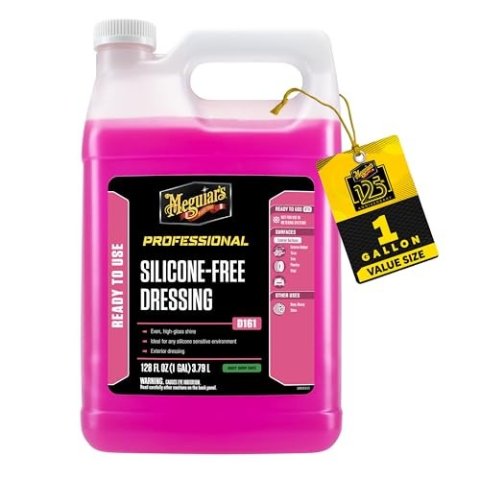 Meguiar's D161 Silicone Free Dressing 3.79L
£52.94
In stock
Meguiar's D161 Silicone Free Dressing 3.79L
£52.94
In stock
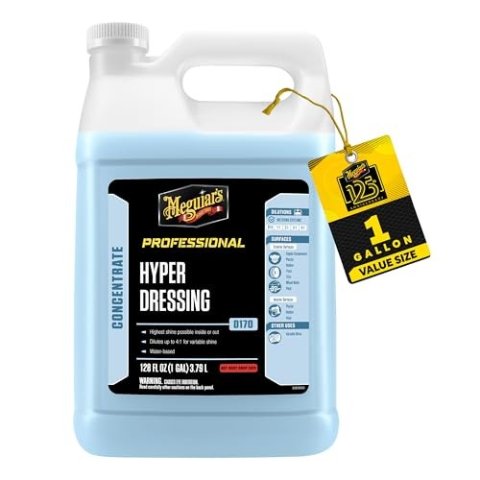 Meguiar's D170 Hyper Dressing 3.79L for interior and exterior trim, plastic, vinyl and rubber
£87.80
In stock
Meguiar's D170 Hyper Dressing 3.79L for interior and exterior trim, plastic, vinyl and rubber
£87.80
In stock
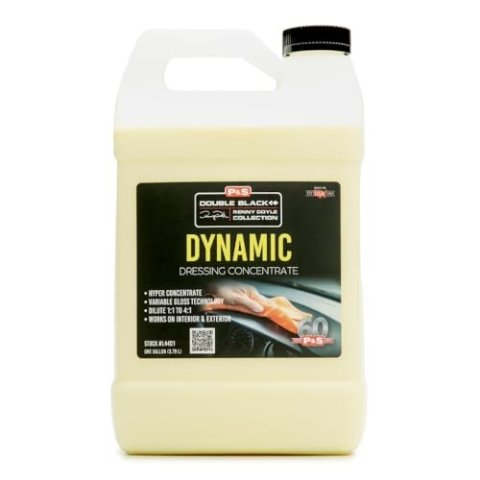 P & S Professional Detail Products Dynamic Dressing Hyper Concentrate, 3.79 L
£116.95
In stock
P & S Professional Detail Products Dynamic Dressing Hyper Concentrate, 3.79 L
£116.95
In stock
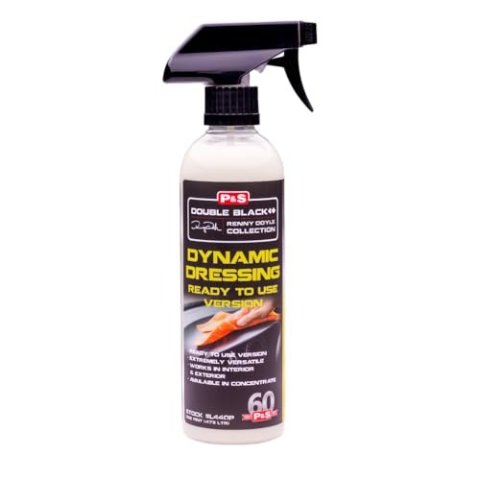 P&S Professional Detail Products Dynamic Dressing RTU, 473.18 ml
£14.89
In stock
P&S Professional Detail Products Dynamic Dressing RTU, 473.18 ml
£14.89
In stock
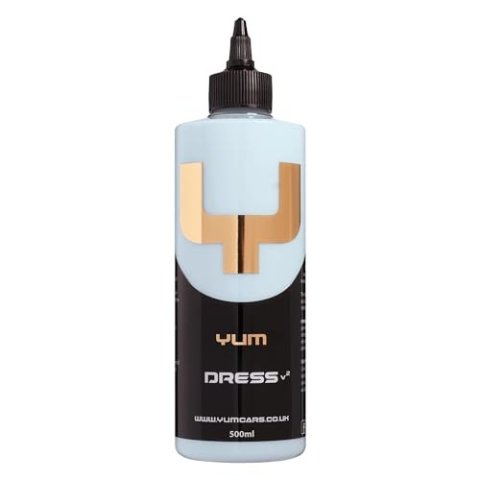 YumCars Yum Dress V2 Water-Based Satin Tyre & Trim Dressing, 500ml
£15.95
In stock
YumCars Yum Dress V2 Water-Based Satin Tyre & Trim Dressing, 500ml
£15.95
In stock
Engine bay finishing
Engine dressings are used after cleaning to improve the appearance of suitable plastic, rubber and painted surfaces in the engine bay. The useful choice is not simply “shiny or not”: you also need to check the intended materials, finish level, application format and the areas the product must not contact.
This category brings together engine-bay dressings, plastic and rubber treatments, specialist belt products and larger professional formats. These are not interchangeable, so use the product instructions and vehicle guidance as the final authority.
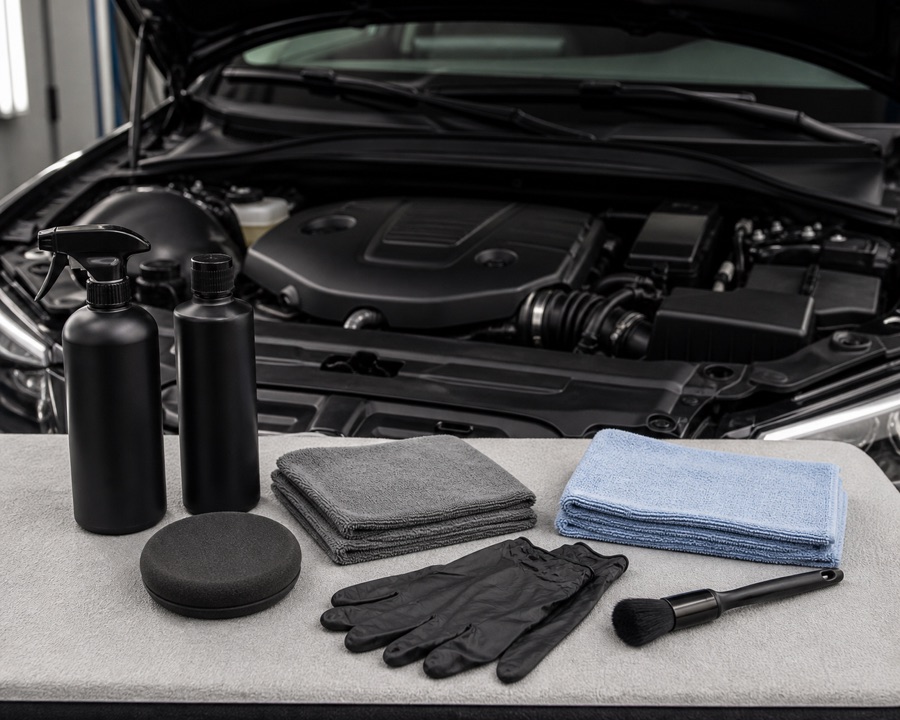
Shop by use case
Finishing products intended for suitable under-bonnet plastics, rubber and related surfaces after cleaning and drying.
Useful where the product specifically lists the engine-bay material you want to treat and provides the finish you prefer.
Specialist products for defined belt applications. They are a separate product type and must not be confused with ordinary trim dressing.
Larger packs for frequent or multi-vehicle use, where dilution, transfer containers and storage instructions may matter.
What to compare
Check whether the formula is listed for the specific plastic, rubber, painted or metal surface you plan to treat.
Natural, satin and gloss finishes look different. A restrained finish can suit modern engine bays better than a high-gloss coating.
Trigger sprays, aerosols and liquids offer different control. Direct-to-cloth application can help reduce overspray in crowded areas.
Some products are left to level; others should be spread or buffed. Follow the stated dwell, drying and wipe-off instructions.
Do not apply general engine or trim dressing to belts or pulleys. Only use a specialist belt product where the vehicle and product guidance allow it.
A small ready-to-use pack can suit occasional detailing; bulk products make sense only when usage, dilution and safe storage are clear.
Before application
A visual application guide
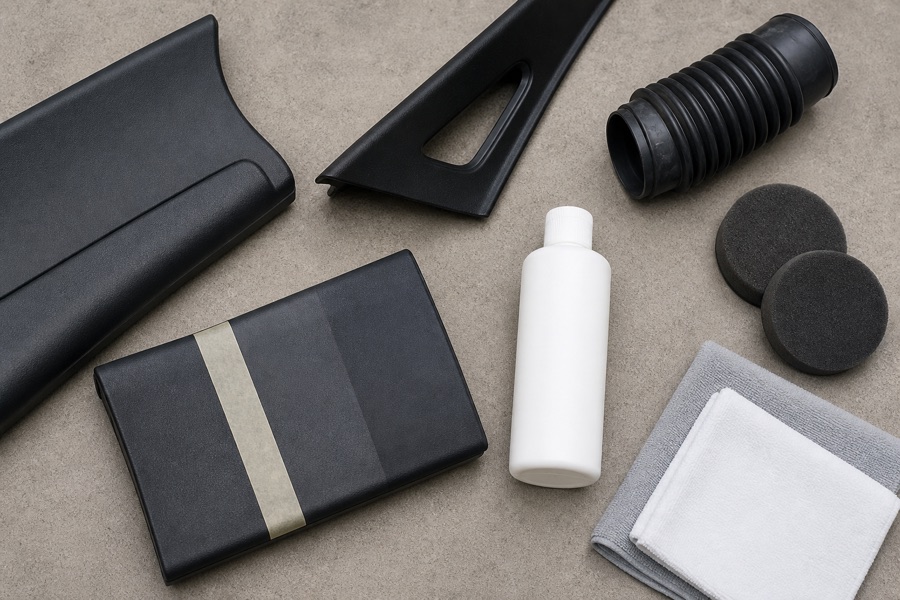
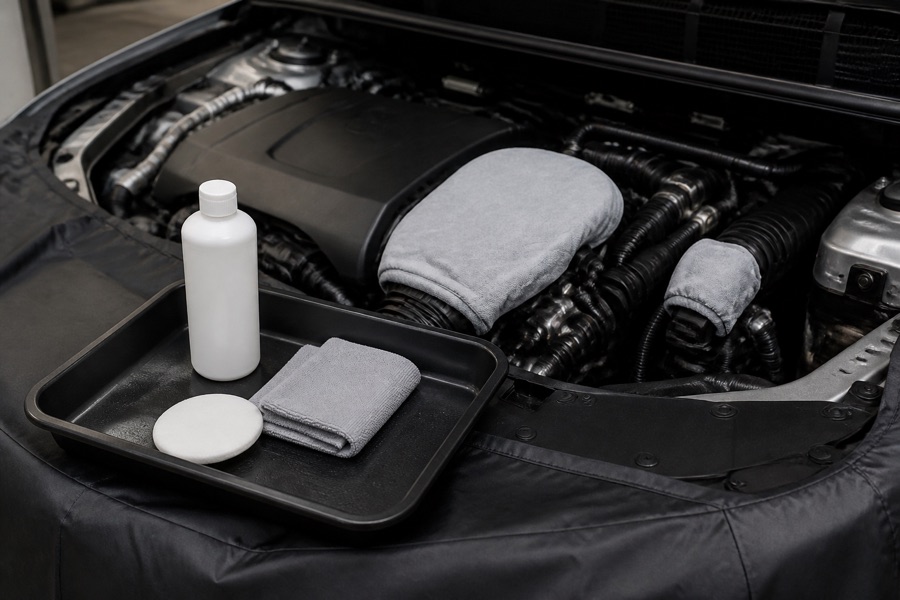
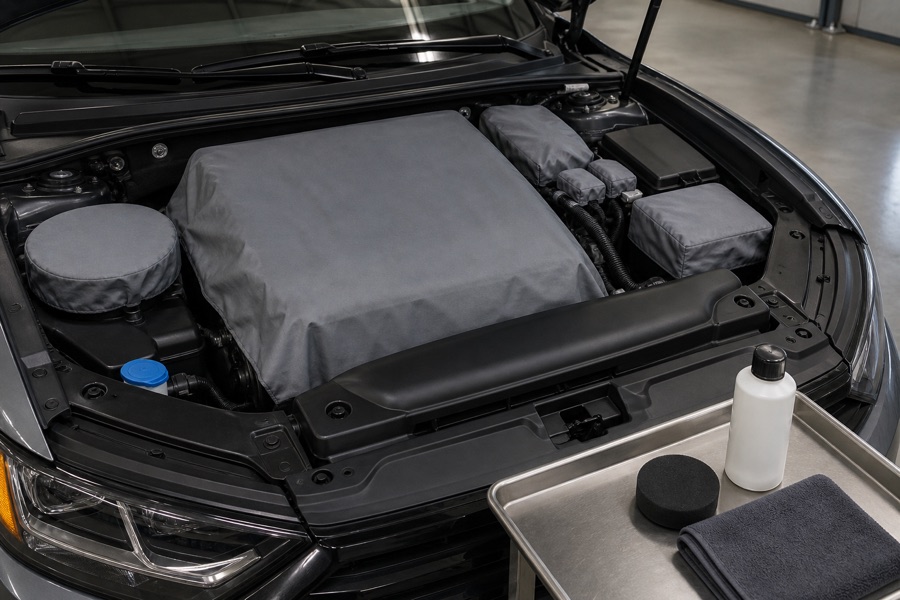
Quick comparison
| Product type | Useful for | Check before buying |
|---|---|---|
| Ready-to-use engine-bay dressing | Occasional finishing of suitable cleaned under-bonnet surfaces | Listed materials, finish, spray control and wipe-off method |
| Plastic and rubber dressing | Targeted treatment where engine-bay use and the material are explicitly supported | Surface compatibility and whether the finish is natural, satin or gloss |
| Specialist belt conditioner | A defined belt-maintenance use only where permitted | Vehicle guidance, belt type and exact product instructions |
| Bulk or concentrated dressing | Frequent professional use across several vehicles | Dilution, transfer, labelling, storage and cost per prepared litre |
Practical workflow
Important: A clean appearance is not proof that an engine-bay fault has been fixed. If you find fresh oil, coolant, fuel residue, damaged wiring or a deteriorated belt, address the mechanical issue before detailing.
Compare the intended materials, finish, pack size, application instructions and exclusions. General dressings and specialist belt products solve different jobs and should not be substituted for one another.
Preparing the bay first? Browse engine degreasers or the wider engine-care range before choosing the finishing step.