
Engine Cleaners & Degreasers
Use this route for engine bay cleaners, solvent or water-based degreasers, citrus APC products, aerosol sprays, concentrates, and workshop cleaning fluids.
View cleaners and degreasers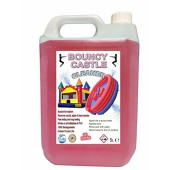
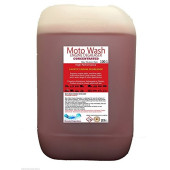
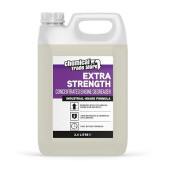
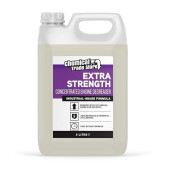
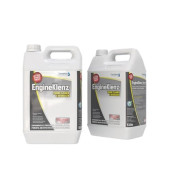
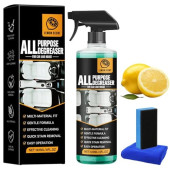
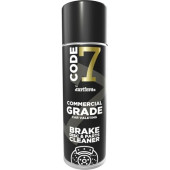
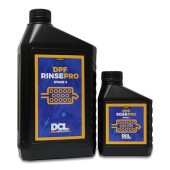
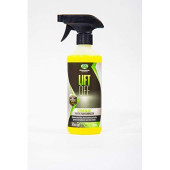
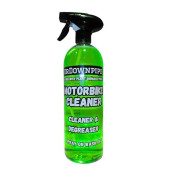
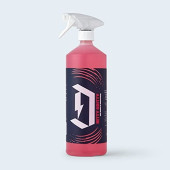
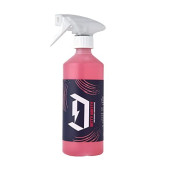
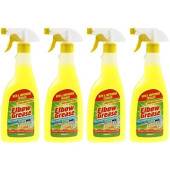
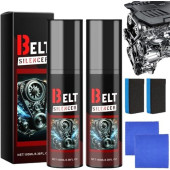
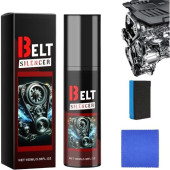
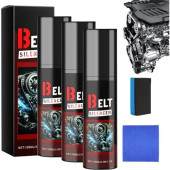
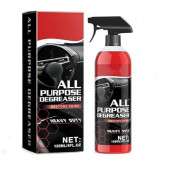
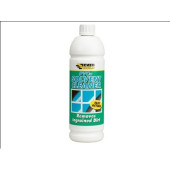
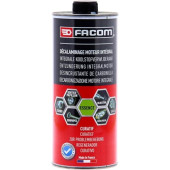
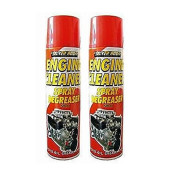
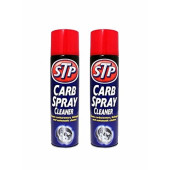
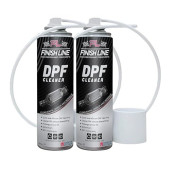
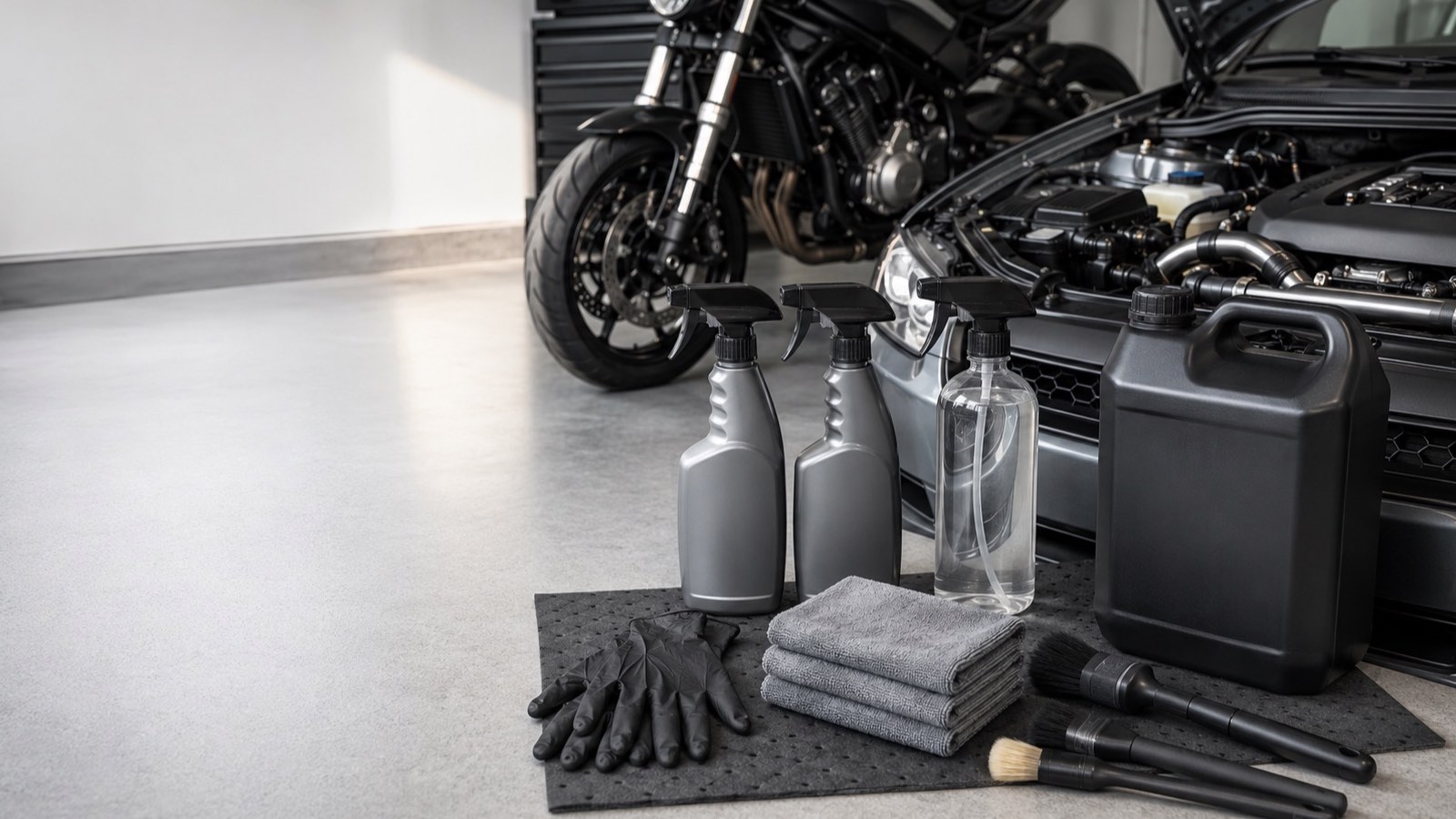
Compare engine cleaners, degreasers, panel wipe, parts washer fluid, applicators, and motorbike-safe cleaning products before buying.
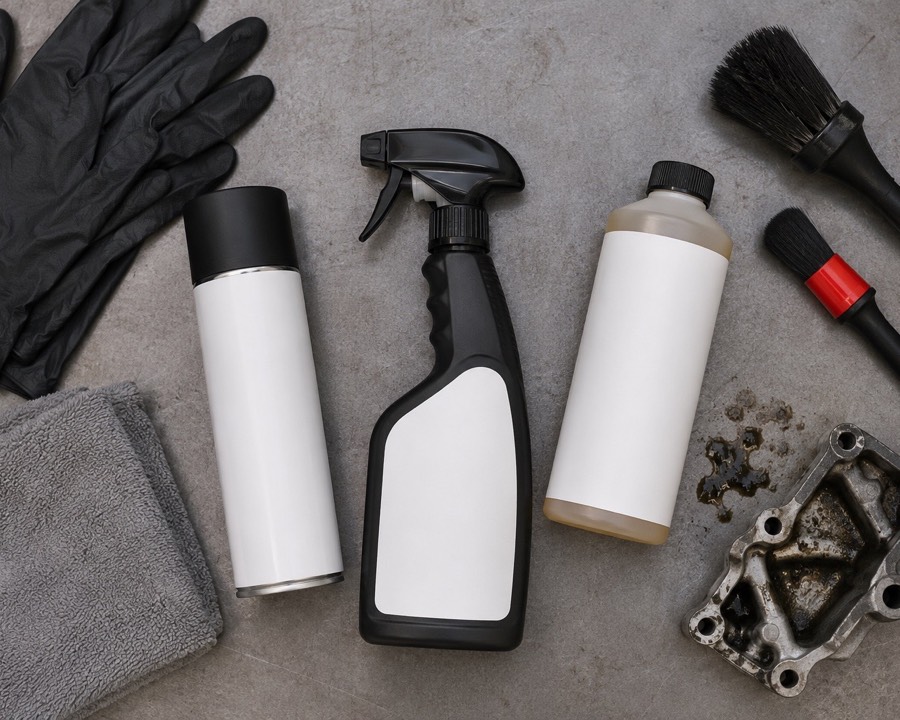
Most products in this category are engine cleaners, degreasers, panel wipe products, parts washer fluids, and heavy-duty all-purpose cleaners. They can help remove oil, grease, road grime, workshop dirt, silicone residue, and pre-paint contamination, but they are not all meant for the same surface.
Start by deciding whether you are cleaning an engine bay, degreasing removed parts, preparing panels before paint, using a parts washer, or refreshing visible engine-bay plastics after cleaning. That choice matters more than brand, bottle size, or pack quantity.
Use this route for engine bay cleaners, solvent or water-based degreasers, citrus APC products, aerosol sprays, concentrates, and workshop cleaning fluids.
View cleaners and degreasersUse dressing products after compatible cleaning when the goal is to refresh visible plastic, rubber, or trim areas in an engine bay rather than remove heavy grease.
View engine dressingsUse sealant-style products only when the listing clearly matches the surface and finish you want. They are a finish choice, not a replacement for cleaning or degreasing.
View glossy sealantsSprays and aerosols suit targeted cleaning around engine bays, tools, brackets, and small parts. Check residue claims, drying speed, flammability warnings, and whether rinsing or wiping is required.
Concentrates can make sense for repeated workshop use, vans, trucks, motorbikes, and larger cleaning jobs. Compare dilution guidance, surface compatibility, bottle size, and whether the formula is caustic, solvent-based, or water-based.
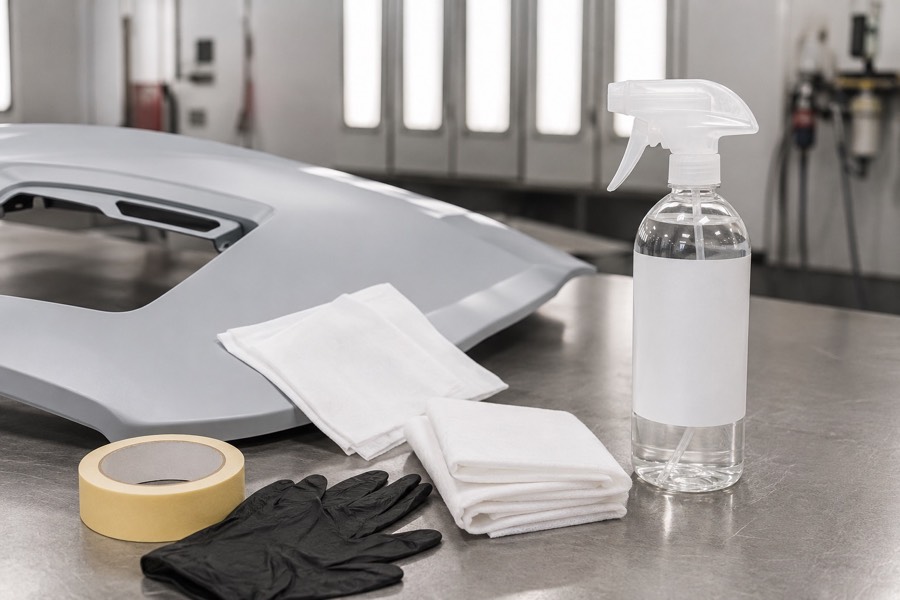
Panel wipe is usually for removing silicone, wax, grease, and residue before paint or bodywork preparation. It is not the same as a general engine bay cleaner, so check the intended use carefully.
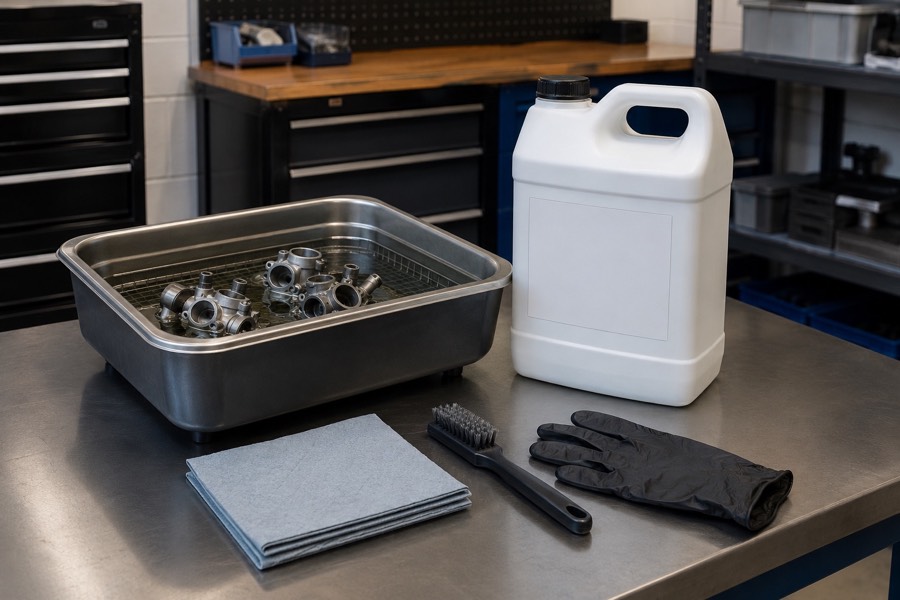
Parts washer fluids are made for cleaning removed mechanical parts or workshop components in suitable equipment. Check fluid type, dilution, machine compatibility, disposal guidance, and material safety notes.
All-purpose and citrus degreasers can be useful for lighter grime, under-bonnet plastics, tools, and general vehicle cleaning, but strength varies. Do not assume an APC is safe on every surface.
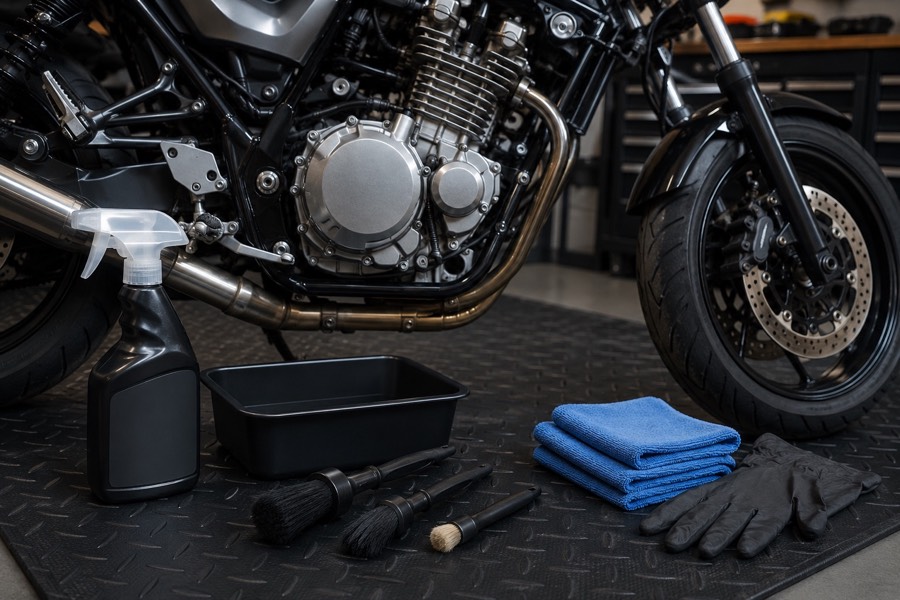
Motorbike engines are exposed and sit close to chains, tyres, brakes, paint, plastics, and hot exhaust parts. Overspray control, rinsing guidance, and residue-free cleaning matter before riding.
Engine bays can include painted metal, aluminium, rubber hoses, plastic covers, belts, sensors, labels, and electrical connectors. The product label should say where the cleaner can and cannot be used.
Water-based degreasers often need dwell time and rinsing. Solvent-style products may dry faster and cut grease strongly, but they can carry stricter ventilation, flammability, and material warnings.
Ready-to-use sprays are convenient for small jobs. Concentrates can be better for repeated use, but only if the dilution instructions, sprayer, and target surface match the job.
Do not spray blindly around exposed electrical parts, alternators, air intakes, sensors, or open connectors. Follow the product label and vehicle guidance before applying any liquid in an engine bay.
Many engine care products should not be used on hot parts or near ignition sources. Let surfaces cool, work with ventilation, and wear suitable gloves and eye protection where required.
Grease, oil, solvent, and dirty rinse water can need careful handling. Check the label for disposal guidance, especially when using strong degreasers, panel wipe, or parts washer fluids.
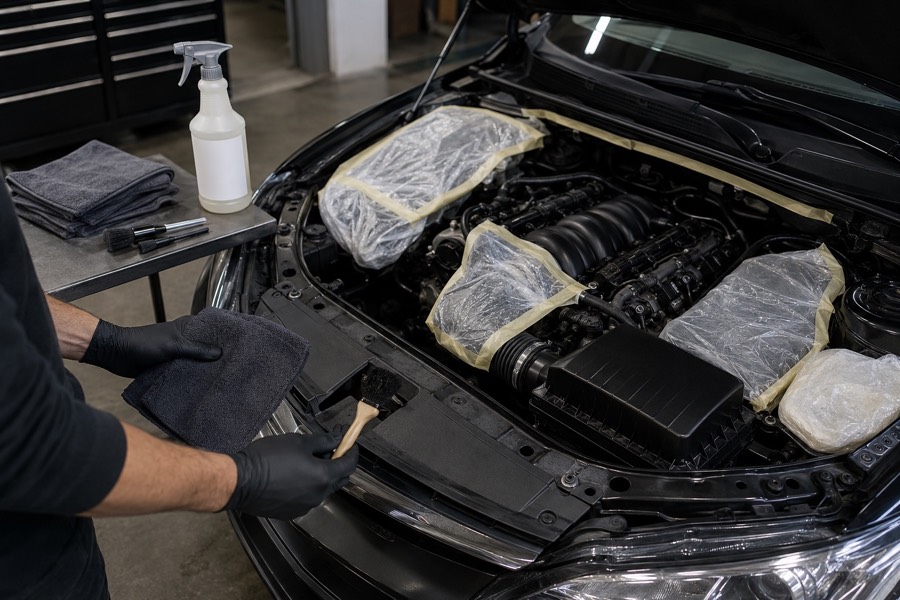
| Job | Product type to compare | Check before buying |
|---|---|---|
| Clean oil, grease, and road grime from an engine bay | Engine cleaner, engine degreaser, APC degreaser, citrus degreaser, or aerosol degreaser. | Compatibility with painted metal, plastics, rubber, electrical areas, dwell time, rinse method, ventilation, and flammability warnings. |
| Clean removed parts, tools, brackets, or workshop equipment | Heavy-duty degreaser, parts cleaner, parts washer fluid, solvent degreaser, or water-based workshop cleaner. | Material compatibility, parts washer suitability, dilution, residue, drying speed, PPE, runoff, and disposal instructions. |
| Prepare panels before paint, coating, or bodywork | Panel wipe, pre-paint degreaser, anti-silicone cleaner, surface cleaner, or pre-wipe solvent. | Paint process compatibility, residue-free claims, wipe method, evaporation speed, cloth choice, and whether it is meant for panels rather than engines. |
| Clean a motorbike engine or exposed mechanical area | Motorcycle engine degreaser, citrus degreaser, chain-and-engine cleaner, or bike-safe APC. | Overspray near brakes, tyres, chain, plastics, paint, exhaust heat, rinse guidance, and whether residue must be removed before riding. |
| Refresh visible engine bay trim after cleaning | Engine dressing, trim dressing, plastic dressing, or suitable finish product when available. | Surface type, shine level, residue, dust attraction, heat guidance, and whether the product should stay away from belts, controls, and contact surfaces. |
| Add gloss or a finishing layer | Glossy sealant, finish spray, or compatible protective product when the listing supports that use. | Surface compatibility, preparation requirements, curing or drying time, heat limits, and whether it is suitable for engine-bay use. |
Motorbike degreasers often work close to chains, brake components, tyres, paint, plastics, and hot exhaust areas. A cleaner that is useful for a car engine bay can still be a poor fit if it leaves residue near tyres or brakes, attacks a finish, or needs rinsing in a place that is hard to control.
For bikes, check the label for engine, chain-area, plastic, rubber, paint, and metal compatibility. Keep cleaning products away from tyre tread and braking surfaces unless the product specifically says otherwise.
Separate engine bay cleaning, removed-part degreasing, panel preparation, parts washer use, motorbike cleaning, and finish dressing before choosing a product.
Check compatible materials, dilution, dwell time, rinse or wipe method, ventilation, PPE, flammability, and storage guidance.
Avoid hot components, ignition sources, exposed electrics, air intakes, belts, sensors, and open connectors unless the product and vehicle guidance clearly allow use there.
Test carefully on a small area where appropriate, especially around paint, aluminium, rubber, plastic, decals, and finished trim.
Wipe or rinse as directed, dry the area where needed, dispose of dirty runoff safely, and store bottles sealed and upright away from heat or children.
Before buying, compare the product type, chemical strength, surface compatibility, pack size, dilution, sprayer or parts washer fit, safety warnings, and disposal guidance. If a task involves exposed electrics, specialist coatings, hot components, complex mechanical work, or any uncertainty about compatibility, use a qualified mechanic or detailer.