Ceramic brake formula
Positioned for high-temperature brake-service locations rather than general chassis lubrication.
 Brake CareShop the complete range
 Cleaning KitsShop the complete range
 Fillers, Adhesives & SealantsShop the complete range
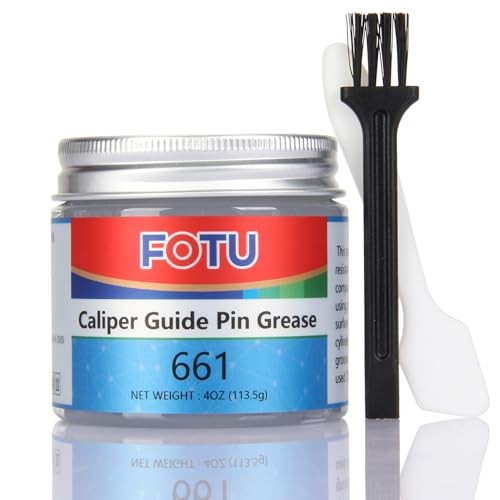
FOTU
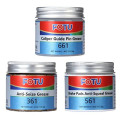 661+561+361 Combinatorial
£22.70
661+561+361 Combinatorial
£22.70
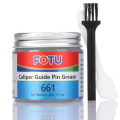 661 Brake Pin Grease
Selected
661 Brake Pin Grease
Selected
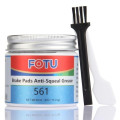 561 Brake Pads Grease
£9.97
561 Brake Pads Grease
£9.97
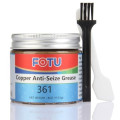 361 Copper Anti-Seize Grease
£9.97
361 Copper Anti-Seize Grease
£9.97
Product prices and availability are accurate as of the date/time indicated and are subject to change. Any price and availability information displayed on Amazon.co.uk at the time of purchase will apply to the purchase of this product.
As an Amazon Associate we earn from qualifying purchases. This does not affect the price you pay.
MotorStash take
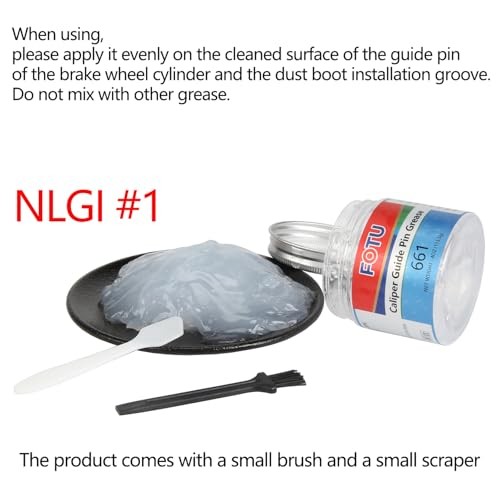
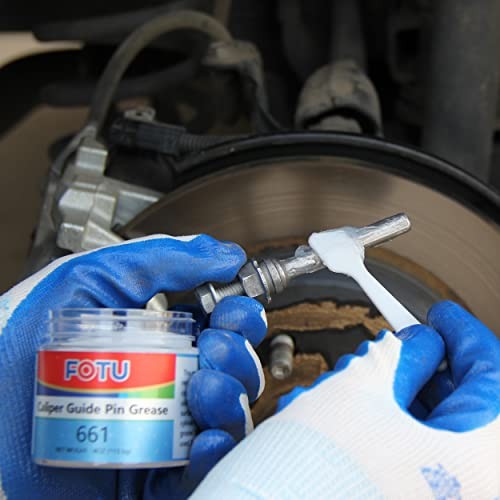
FOTU 661 is positioned as a high-temperature ceramic brake caliper grease for suitable sliding or guide pins, pad contact areas and anti-seize work. Its usefulness depends on applying a very small amount to the exact non-friction points approved by the vehicle or brake-component guidance.
Best fit
This is not a general cure for brake noise and not every pin, boot or pad design uses the same lubricant. First identify the component and approved lubrication point; then check that the FOTU 661 label supports that use.
The listing describes anti-seize, friction and noise-reduction benefits, but correct cleaning, component condition and assembly remain essential. Grease cannot repair a seized caliper, damaged boot or worn brake part.

Positioned for high-temperature brake-service locations rather than general chassis lubrication.
May suit specified guide or sliding pins only when the caliper design, boot material and service guidance permit it.
A thin film may be appropriate on defined pad ears, backs or hardware—not on the friction material.
Designed to help reduce sticking and corrosion at compatible metal contact points after proper cleaning.
Correct lubrication can help at some contact points, but it cannot diagnose every squeal, knock or dragging brake.
The listing states five years; verify the package date and follow its sealing and storage instructions.
Only where the vehicle or caliper instructions specify grease and the lubricant is compatible with the pin and protective boot.
Only on the small, specified metal-to-metal contact areas after rust and old residue have been removed.
Some systems allow a thin film at defined contact points; others use shims or require no grease. Check first.
Never apply lubricant to disc or drum braking surfaces.
Keep grease away from pad friction material and brake-shoe linings. Contamination can reduce braking performance.
If the lubrication point or compatibility is unclear, stop and consult the service information or a qualified technician.
Decision guide
| Your job | Is brake grease relevant? | Next check |
|---|---|---|
| Cleaning oil, dust or old residue | No—use a suitable brake cleaner first | Let the cleaned part dry fully |
| Lubricating an approved guide pin | Potentially | Confirm lubricant and rubber compatibility |
| Treating an approved pad contact point | Potentially, as a very thin film | Keep all friction material clean |
| Fixing squeal, pulling or a seized caliper | Not by itself | Diagnose wear, movement and component condition |
Use the vehicle or brake-component instructions to identify whether and where lubricant is required.
Replace damaged boots, corroded hardware or worn parts instead of hiding the problem under fresh grease.
Clean the approved contact points and let them dry. Do not mix fresh lubricant with unknown old grease.
Use the smallest amount needed at the specified point and remove excess before reassembly.
Verify that friction faces are clean and follow the normal brake-service testing procedure before road use.
Your service information calls for a compatible brake lubricant on defined pins or metal contact areas.
You need a cleaner, replacement parts, hydraulic work or do not know whether the exact component should be lubricated.
Continue comparing
Explore more products from the same catalogue category.
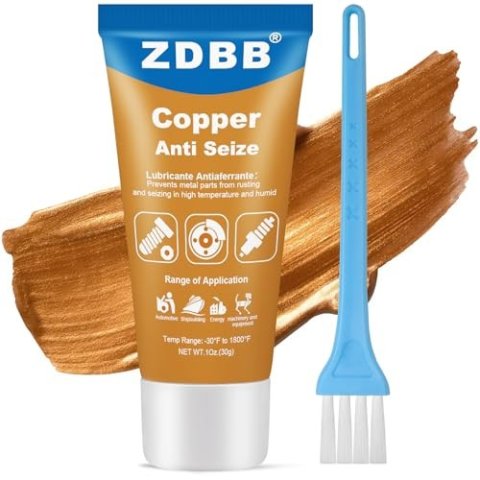 ZDBB Copper Anti-Seize Grease, 1 oz, 1 Pack
£5.98
ZDBB Copper Anti-Seize Grease, 1 oz, 1 Pack
£5.98 ZDBB Copper Anti-Seize Grease 8oz Brush Top Bottle
£16.99
In stock
Save 25%
ZDBB Copper Anti-Seize Grease 8oz Brush Top Bottle
£16.99
In stock
Save 25% 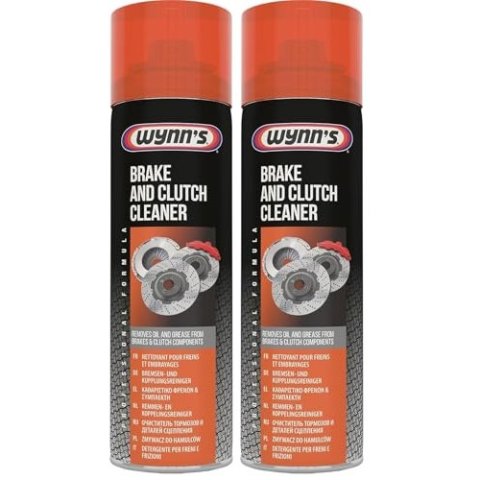 Wynn's Brake & Clutch Cleaner Spray, 500ml, Pack of 2
£14.98
Wynn's Brake & Clutch Cleaner Spray, 500ml, Pack of 2
£14.98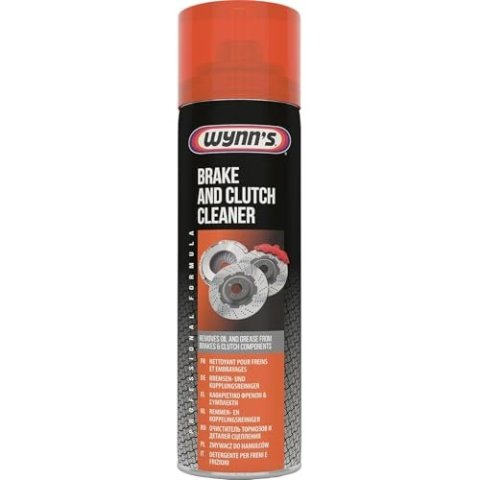 Wynn's Brake & Clutch Cleaner Spray 500ml
£7.49
Wynn's Brake & Clutch Cleaner Spray 500ml
£7.49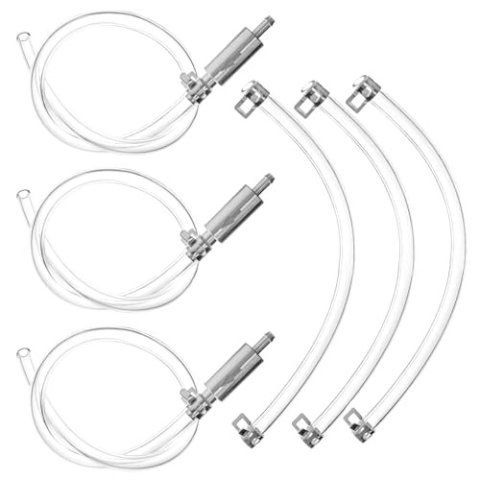 Wvbzf 3-Set Brake Bleeder Kit for Motorcycles and Vehicles
£4.49
Wvbzf 3-Set Brake Bleeder Kit for Motorcycles and Vehicles
£4.49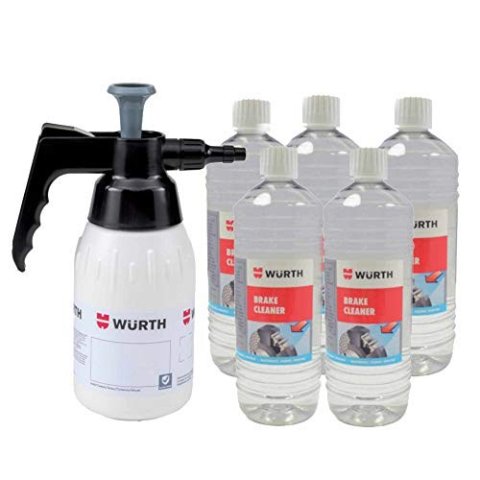 Wurth Pump Bottle and Brake Cleaner Pack
£63.99
In stock
Wurth Pump Bottle and Brake Cleaner Pack
£63.99
In stock
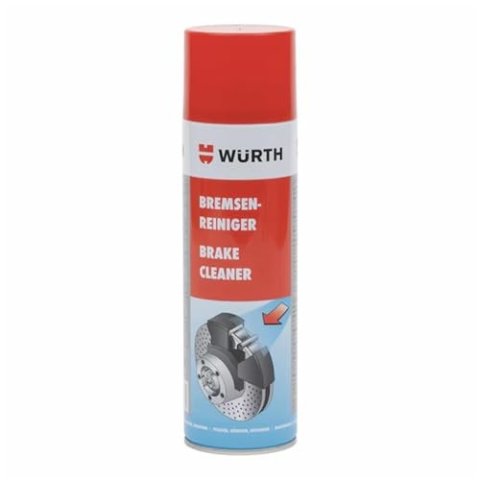 Wurth Brake Cleaner Aerosol 500ml, 1 Pack
£7.99
In stock
Wurth Brake Cleaner Aerosol 500ml, 1 Pack
£7.99
In stock
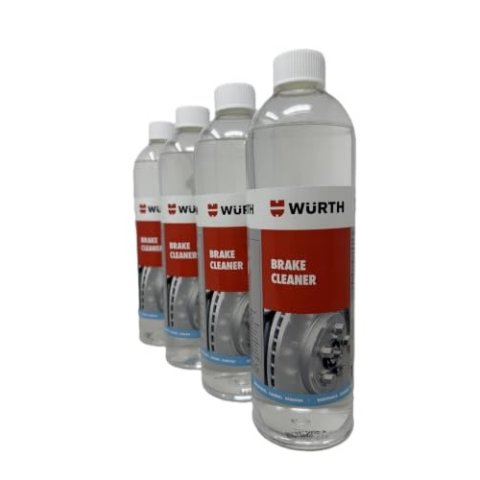 Wuerth Brake Cleaner with Pump, 24LT
£194.99
In stock
Wuerth Brake Cleaner with Pump, 24LT
£194.99
In stock