Brake and clutch cleaners
Use brake cleaner, clutch cleaner, or parts cleaner when the job is removing brake dust, grease, oil, dirt, or residue from compatible metal brake components and workshop parts.
 Brake CareShop the complete range
 Cleaning KitsShop the complete range
 Fillers, Adhesives & SealantsShop the complete range
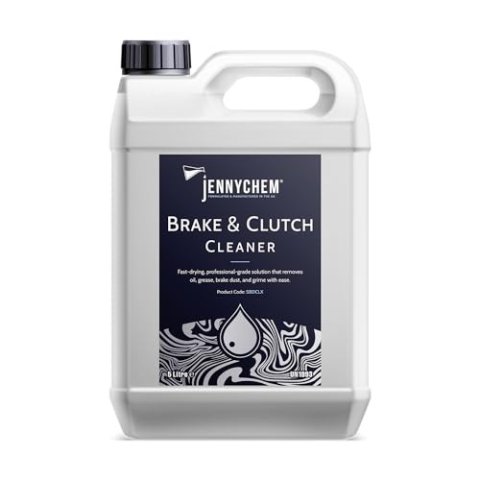 Jennychem Industrial Chemicals Brake & Clutch Cleaner 5L
£19.95
In stock
Jennychem Industrial Chemicals Brake & Clutch Cleaner 5L
£19.95
In stock
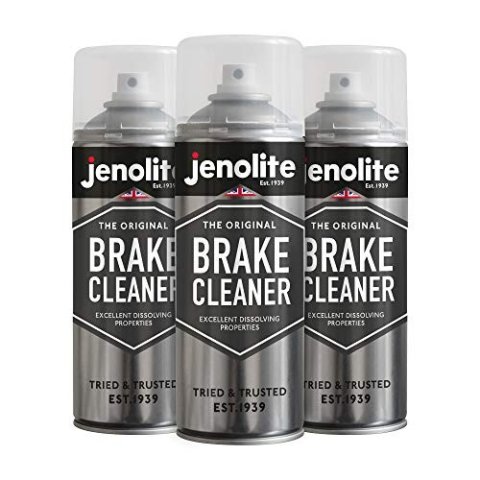 JENOLITE Brake Cleaner Spray 400ml Pack of 3
£26.99
In stock
JENOLITE Brake Cleaner Spray 400ml Pack of 3
£26.99
In stock
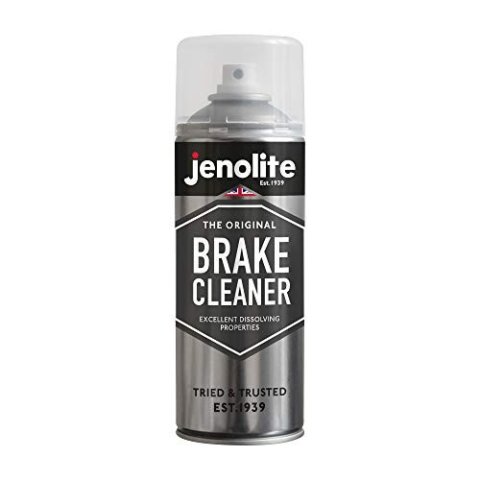 JENOLITE Brake Cleaner Spray 400ml, pack of 1
£11.99
In stock
JENOLITE Brake Cleaner Spray 400ml, pack of 1
£11.99
In stock
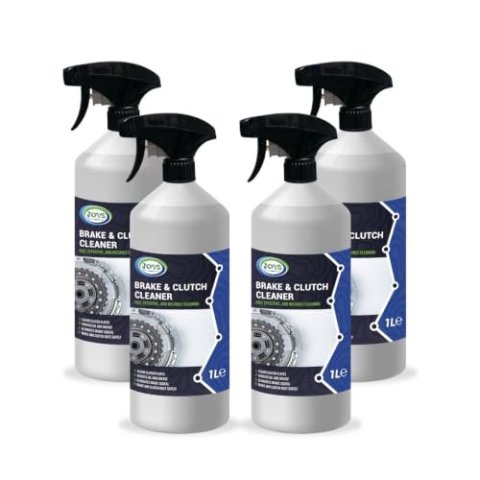 JOVS Brake and Clutch Cleaner 4 x 1L with Triggers
£22.99
In stock
JOVS Brake and Clutch Cleaner 4 x 1L with Triggers
£22.99
In stock
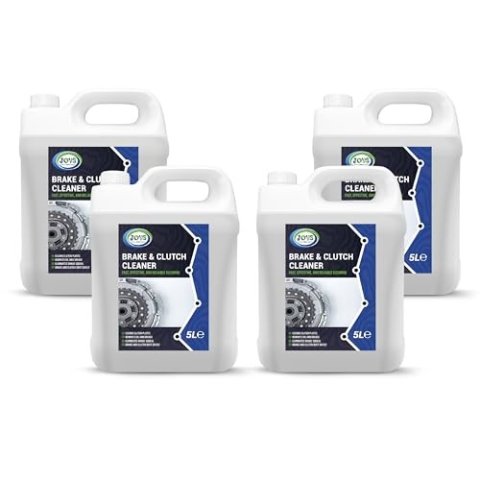 JOVS Brake and Clutch Cleaner 4 x 5L
£55.99
In stock
JOVS Brake and Clutch Cleaner 4 x 5L
£55.99
In stock
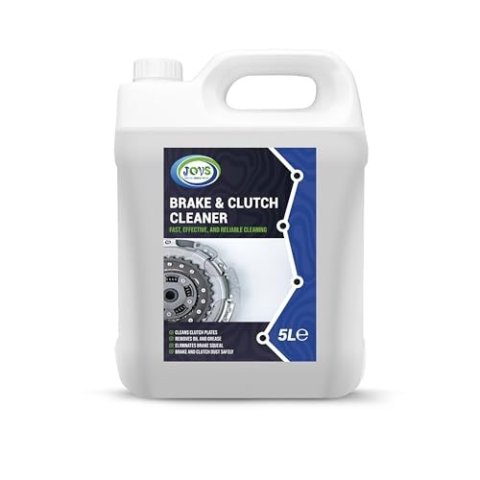 JOVS Brake and Clutch Cleaner 5L, 1 x 5L
£18.45
In stock
JOVS Brake and Clutch Cleaner 5L, 1 x 5L
£18.45
In stock
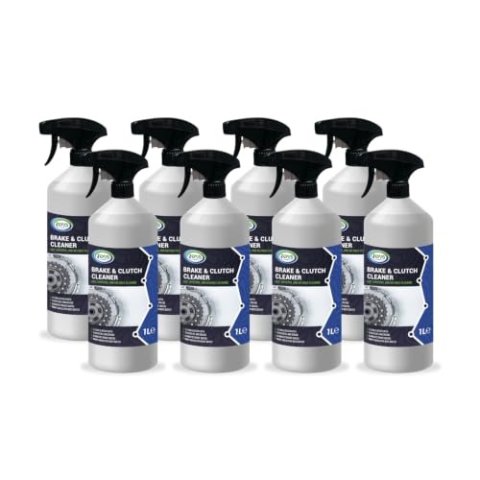 JOVS Brake and Clutch Cleaner 8 x 1L with Chemical Trigger
£28.99
In stock
JOVS Brake and Clutch Cleaner 8 x 1L with Chemical Trigger
£28.99
In stock
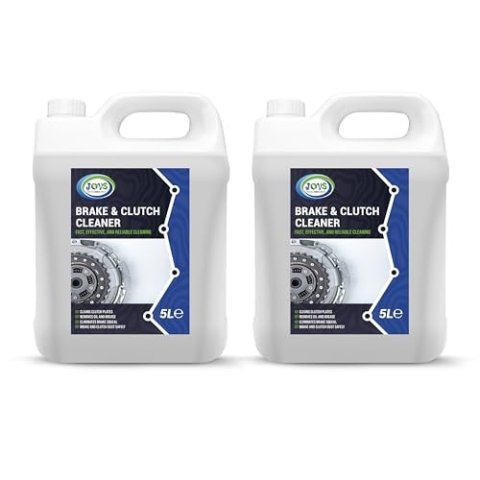 JOVS Brake and Clutch Cleaner, 2 x 5L
£32.99
In stock
JOVS Brake and Clutch Cleaner, 2 x 5L
£32.99
In stock
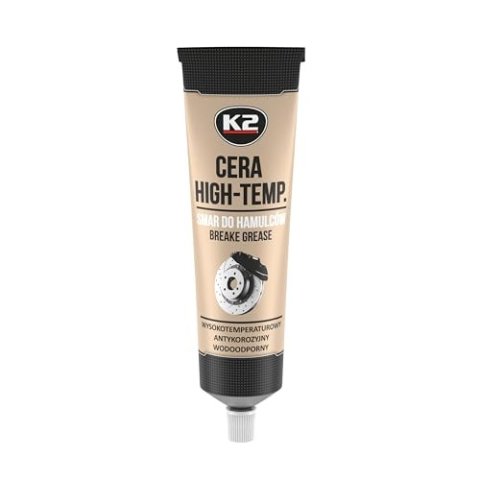 K2 Cera High Temperature Brake Grease Paste, 100 ml
£7.79
In stock
Save 38%
K2 Cera High Temperature Brake Grease Paste, 100 ml
£7.79
In stock
Save 38% 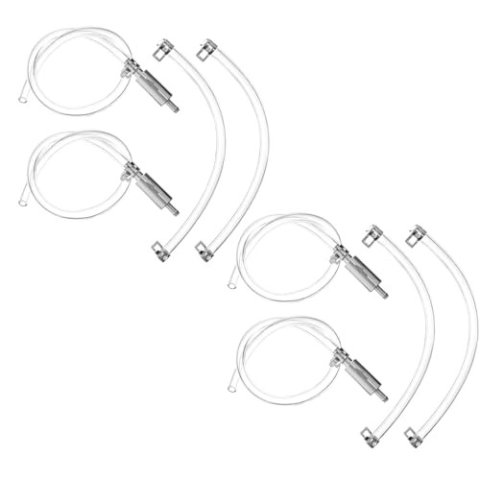 KxrTpx 4-Piece Brake Bleeding Kit with 7.8 mm Hose
£5.59
KxrTpx 4-Piece Brake Bleeding Kit with 7.8 mm Hose
£5.59 Liqui Moly 3092 DOT 5.1 Brake Fluid, 250 ml
£11.11
In stock
Liqui Moly 3092 DOT 5.1 Brake Fluid, 250 ml
£11.11
In stock
 Liqui Moly Brake Anti-Squeal Paste 100 g
£12.78
In stock
Liqui Moly Brake Anti-Squeal Paste 100 g
£12.78
In stock
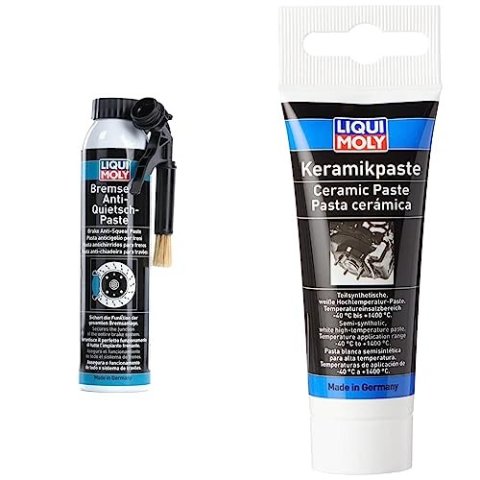 Liqui Moly Brake Anti-Squeal Paste with Ceramic Paste
£34.36
In stock
Liqui Moly Brake Anti-Squeal Paste with Ceramic Paste
£34.36
In stock
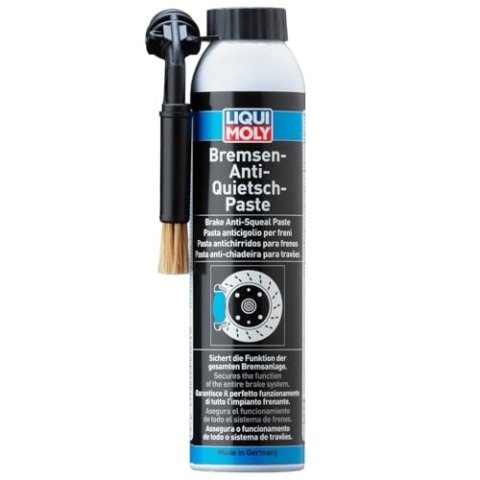 Liqui Moly Brake Anti-Squeal Paste, 200 ml can with brush
£24.48
In stock
Save 23%
Liqui Moly Brake Anti-Squeal Paste, 200 ml can with brush
£24.48
In stock
Save 23%  Liqui Moly Ceramic Paste 250 g
£25.68
Liqui Moly Ceramic Paste 250 g
£25.68 Liqui Moly Ceramic Paste 50 g
£9.88
In stock
Save 3%
Liqui Moly Ceramic Paste 50 g
£9.88
In stock
Save 3%  Liqui Moly Ceramic Paste, can with brush, 200 g
£34.58
Liqui Moly Ceramic Paste, can with brush, 200 g
£34.58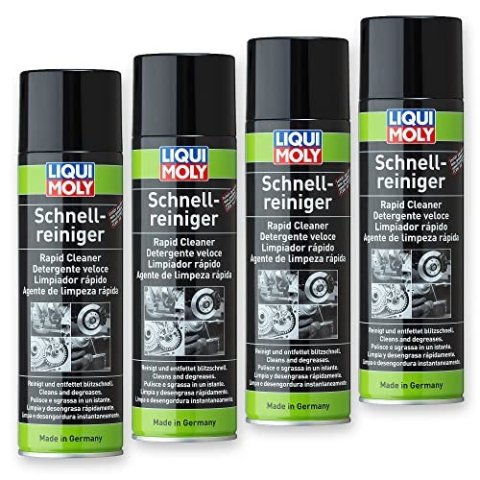 Liqui Moly Rapid Cleaner Brake & Clutch Spray 4 x 500ml
£24.49
In stock
Save 4%
Liqui Moly Rapid Cleaner Brake & Clutch Spray 4 x 500ml
£24.49
In stock
Save 4% 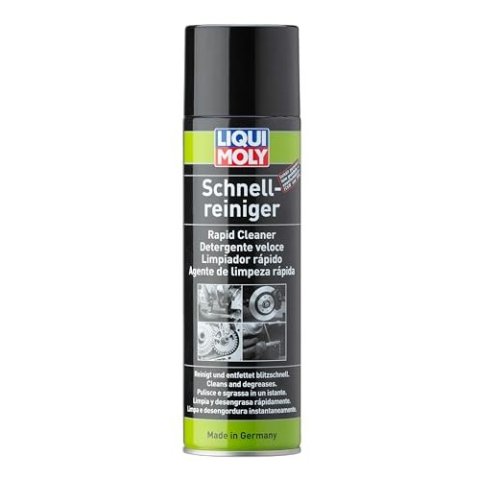 Liqui Moly Rapid Cleaner Brake & Parts Cleaner Spray 500 ml
£7.61
Liqui Moly Rapid Cleaner Brake & Parts Cleaner Spray 500 ml
£7.61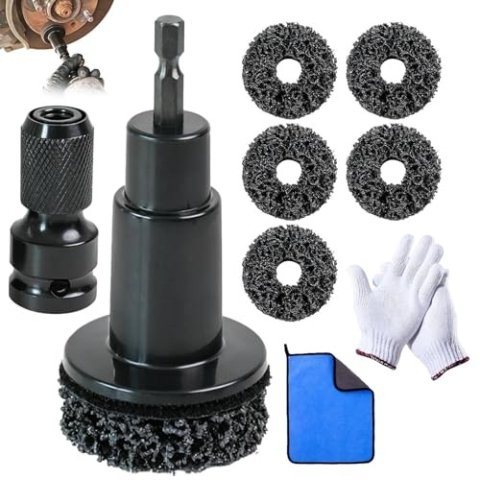 MFSKJELF Wheel Hub Cleaning Tool Kit with Grinding Head Adapter, Gloves, Cloth and 5 Pads
£7.29
In stock
MFSKJELF Wheel Hub Cleaning Tool Kit with Grinding Head Adapter, Gloves, Cloth and 5 Pads
£7.29
In stock
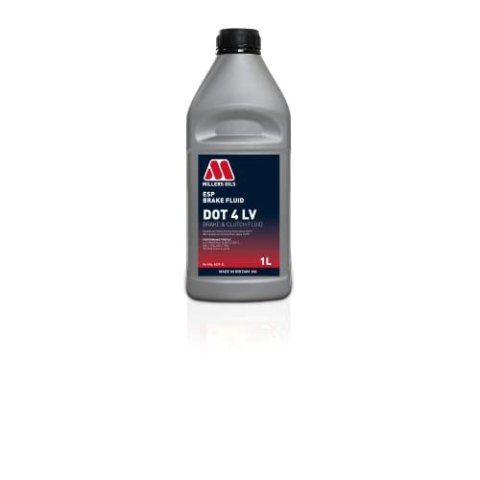 Millers Oils ESP DOT 4 LV Brake and Clutch Fluid, 1 litre
£19.59
In stock
Save 4%
Millers Oils ESP DOT 4 LV Brake and Clutch Fluid, 1 litre
£19.59
In stock
Save 4% 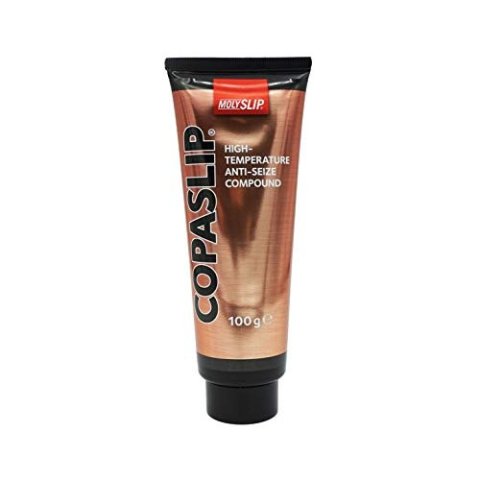 MOLYSLIP COPASLIP Copper Anti-Seize Grease Tube 100g
£9.58
MOLYSLIP COPASLIP Copper Anti-Seize Grease Tube 100g
£9.58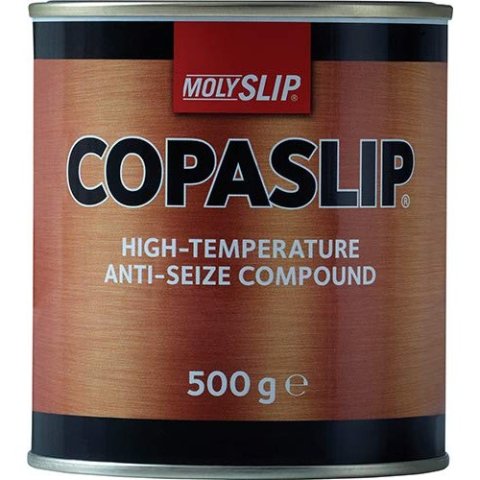 MOLYSLIP COPASLIP High Temperature Anti-Seize Copper Grease Tin, 500g
£17.27
In stock
MOLYSLIP COPASLIP High Temperature Anti-Seize Copper Grease Tin, 500g
£17.27
In stock
 MOLYSLIP COPASLIP High-Temperature Copper Anti-Seize Spray
£10.48
In stock
MOLYSLIP COPASLIP High-Temperature Copper Anti-Seize Spray
£10.48
In stock
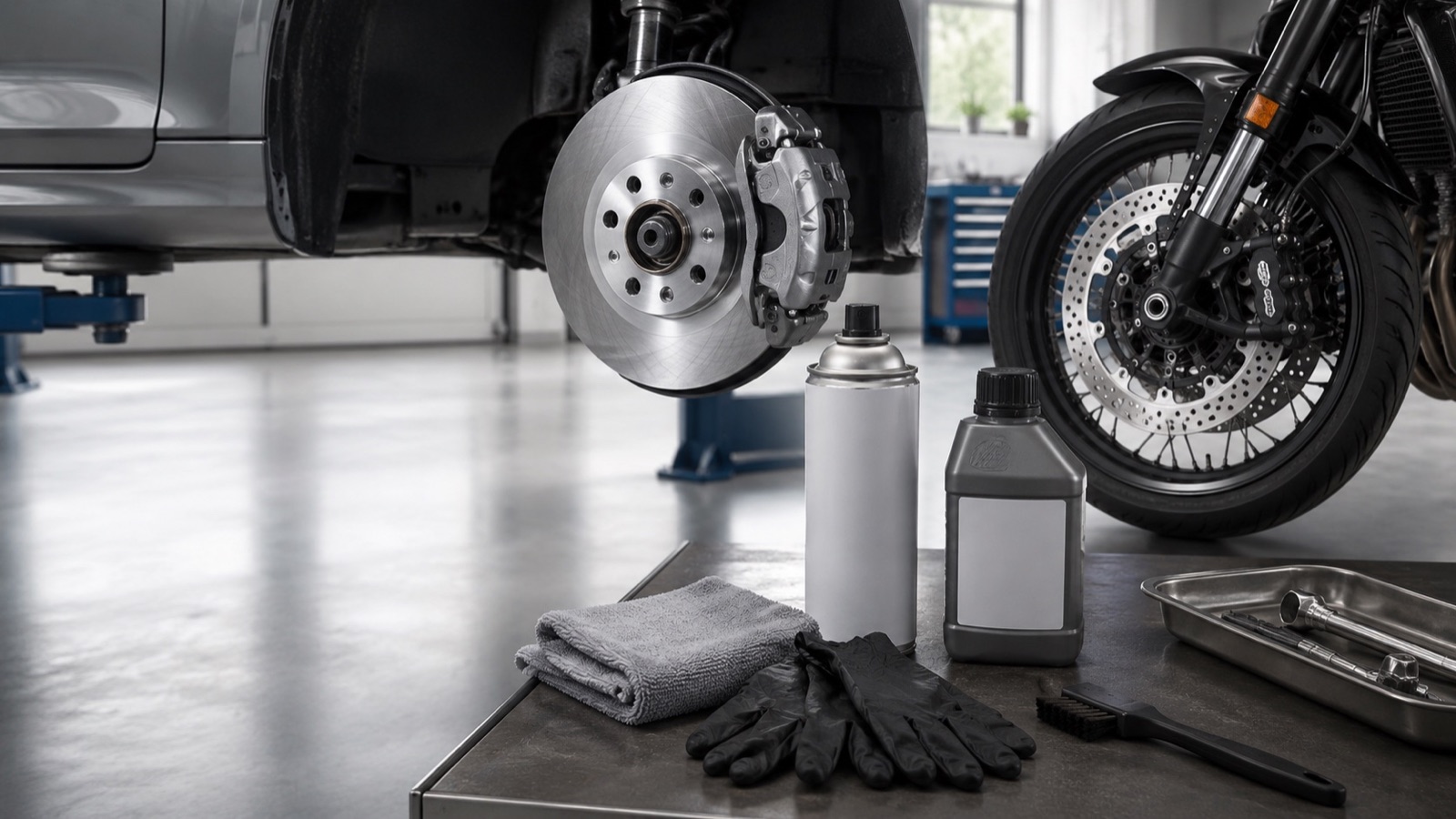
Start by separating cleaners, fluids, pastes, greases, and applicators before comparing pack size or price.
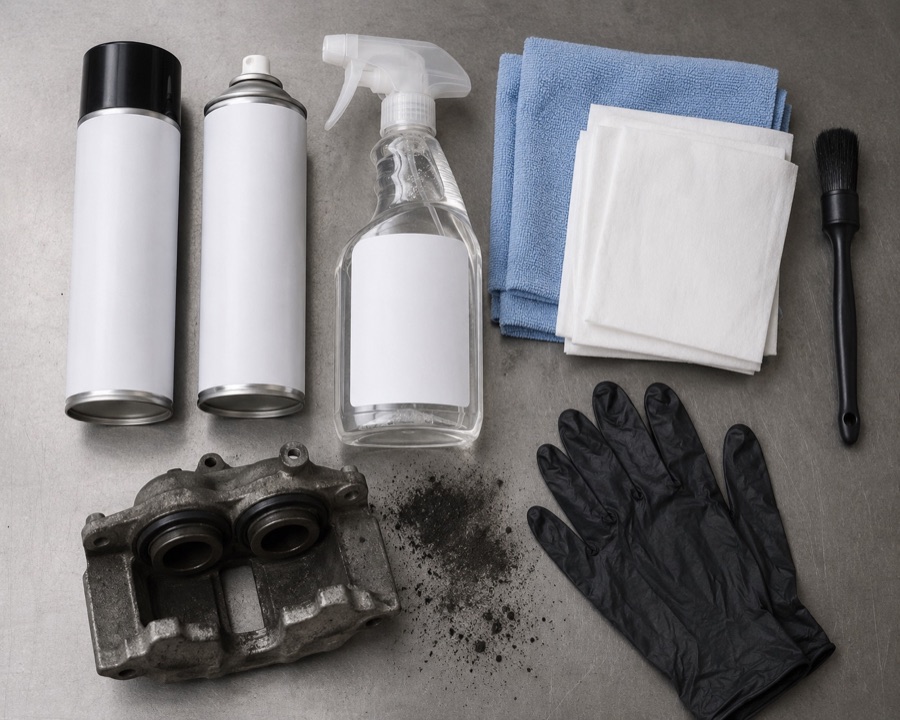
Brake care covers more than one product type. This category includes brake and clutch cleaners, degreasers, brake fluids, anti-squeal pastes, copper or ceramic greases, caliper cleaners, applicator bottles, and workshop maintenance sprays for cars, motorbikes, and related vehicle work.
Start by separating the task. Cleaning brake dust and oil is different from choosing the correct brake fluid specification, and both are different from applying a paste or grease to the correct non-friction contact points.
Use brake cleaner, clutch cleaner, or parts cleaner when the job is removing brake dust, grease, oil, dirt, or residue from compatible metal brake components and workshop parts.
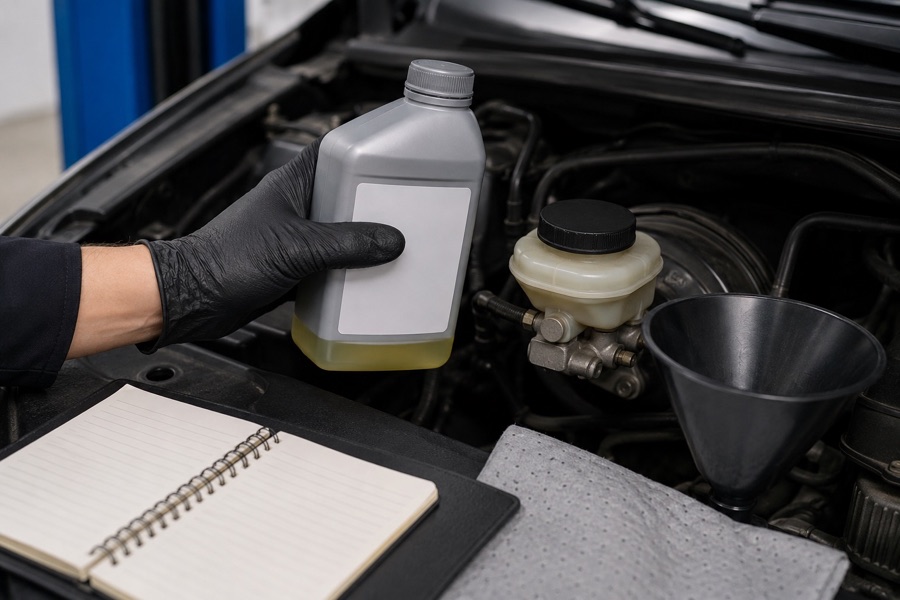
Brake fluid must match the vehicle requirement. Check the owner manual, reservoir cap, and product listing before choosing DOT 3, DOT 4, DOT 4 LV, DOT 5.1, silicone fluid, or racing fluid.
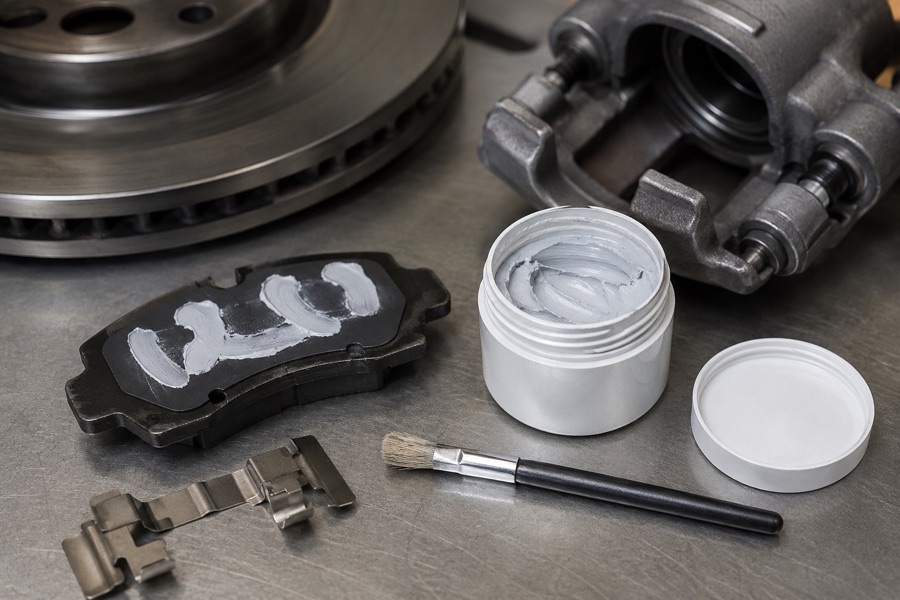
Anti-squeal paste, copper grease, ceramic paste, and high-temperature lubricants are for specific contact areas. They should not be used on brake pad friction material or braking surfaces.
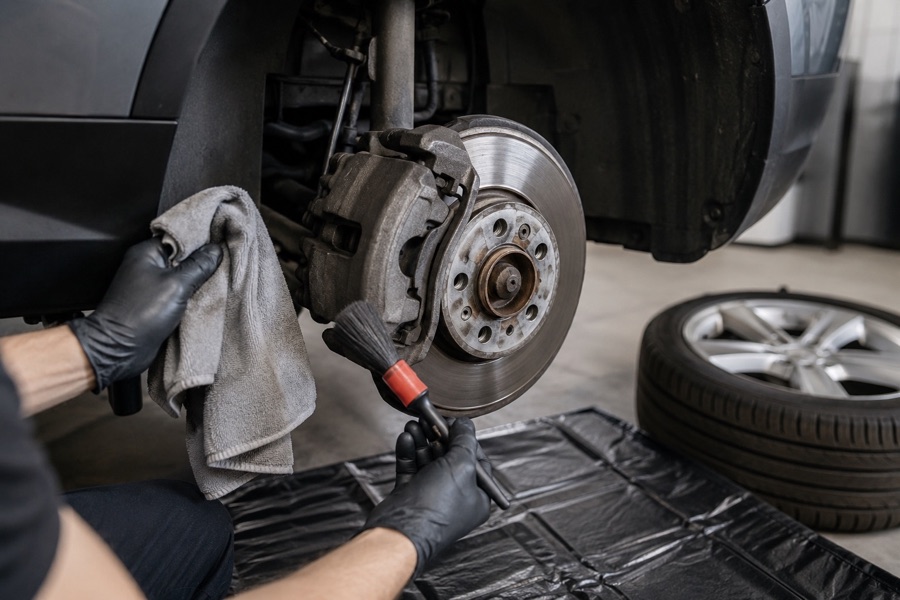
Caliper cleaners and stronger degreasers can help with built-up grime around the wheel and brake area, but compatibility with paint, rubber, plastic, and coated wheel finishes matters.
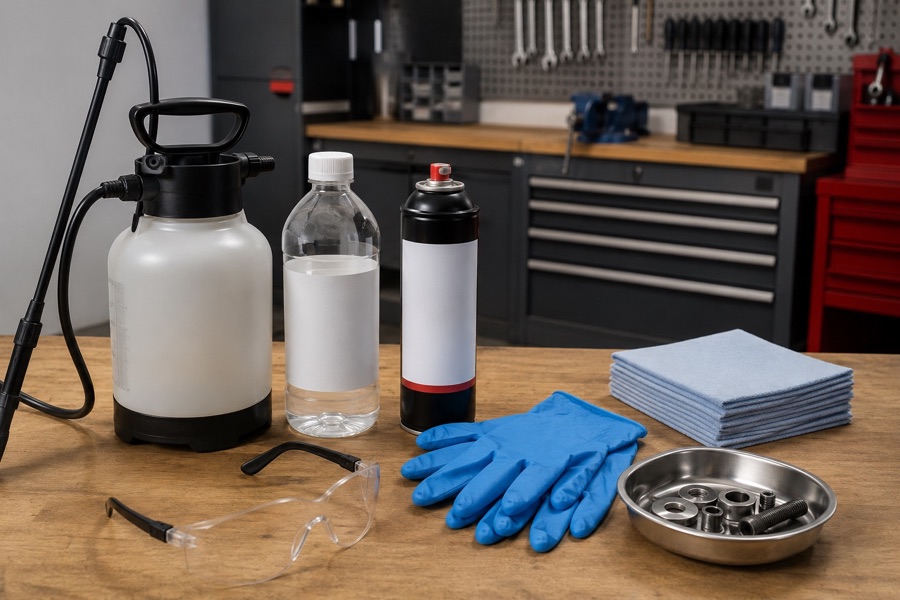
Refillable pressure sprayers, dispenser bottles, and applicators can make workshop cleaning more controlled when used with compatible solvents and the manufacturer safety instructions.
Motorbike brake components are more exposed, so overspray control, disc compatibility, chain-area separation, and residue-free cleaning are especially important before riding.
Brake cleaner is a solvent-style cleaning product. Brake fluid is part of the hydraulic braking system. They are not interchangeable and should be handled as completely different products.
Do not choose brake fluid by brand or price alone. DOT rating, low-viscosity requirements, silicone compatibility, wet and dry boiling point, and vehicle approval notes can all matter.
Brake cleaners and degreasers can affect paint, rubber, plastics, powder coat, seals, and some wheel finishes. Check the label before spraying near visible or sensitive parts.
Anti-squeal paste and grease are usually for pad backs, contact points, sliders, or fasteners depending on the product. Keep them away from discs, drums, pads, and friction faces.
Aerosol cans suit small jobs and quick cleaning. Larger bottles, 5L containers, and multipacks make more sense for repeated workshop use or several vehicles.
Use brake care products in a ventilated area, away from flames and hot surfaces. Wear suitable gloves and eye protection, and follow the product label and vehicle service guidance.
| Task | Product type to compare | Check before buying |
|---|---|---|
| Remove brake dust, oil, grease, or workshop residue | Brake cleaner, clutch cleaner, parts cleaner, or degreaser. | Residue-free finish, drying speed, surface compatibility, can size, spray control, ventilation, and flammability warnings. |
| Top up or replace hydraulic brake fluid | Brake fluid in the exact specification required by the vehicle. | DOT rating, vehicle approval, boiling point, silicone or non-silicone type, container size, and whether mixing is permitted. |
| Reduce noise at brake contact points | Anti-squeal paste, ceramic paste, copper grease, or high-temperature lubricant. | Application area, temperature rating, material compatibility, and clear warning to keep product off friction surfaces. |
| Clean around calipers, hubs, or wheel-area parts | Caliper cleaner, brake cleaner, wheel-area degreaser, or panel prep cleaner when appropriate. | Painted caliper compatibility, wheel finish, rubber seals, plastics, overspray risk, and whether rinsing is required. |
| Repeated workshop cleaning | Multipack aerosols, 1L bottles, 5L containers, refillable sprayers, or dispenser bottles. | Solvent compatibility with the sprayer, pressure rating, nozzle control, storage guidance, and safe disposal instructions. |
Brake cleaner, degreaser, fluid, paste, and grease all need careful handling. Refillable sprayers and dispenser bottles can be useful for repeated jobs, but only when the solvent, pressure rating, nozzle, and storage guidance match the product being used.
Keep protective gloves, safety glasses, absorbent cloths, and a clear work area ready before opening any chemical product. It is easier to prevent overspray and contamination than to fix it afterwards.
Decide whether you are cleaning parts, changing fluid, preparing calipers, reducing noise, or stocking workshop consumables.
For brake fluid and specialist products, confirm the exact requirement from the owner manual, service guide, reservoir cap, or trusted mechanic.
Read the product label for friction surfaces, rubber, plastic, paint, seals, discs, drums, pads, and wheel finishes before applying.
Let components cool, ventilate the area, protect nearby paint or trim, and keep cloths, gloves, and eye protection close to hand.
Control overspray, wipe residue where needed, and avoid spreading grease, paste, or solvent onto parts that must remain clean.
Brake cleaners, fluids, pastes, greases, and degreasers can be useful maintenance products, but they must be matched to the vehicle, surface, and job. Before buying, check the retailer listing, product label, and vehicle guidance. If the task involves hydraulic brake work, brake pad replacement, caliper service, or any uncertainty about compatibility, use a qualified mechanic.
Brand
Volume
Fluid Type
Product Type