
Complete material sets
Useful when you need a coordinated selection of compounds, pads or accessories rather than one standalone liquid.
 Brake CareShop the complete range
 Cleaning KitsShop the complete range
 Fillers, Adhesives & SealantsShop the complete range
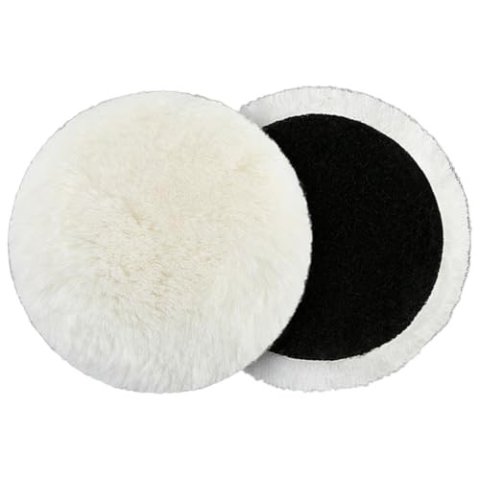 MiJunHD 2-Piece 4 inch 100mm Wool Polishing Pads
£10.73
In stock
MiJunHD 2-Piece 4 inch 100mm Wool Polishing Pads
£10.73
In stock
 MKTOLHUs 15 Piece Wet and Dry Silicon Carbide Sandpaper Set, 400-3000 Grit
£5.03
In stock
MKTOLHUs 15 Piece Wet and Dry Silicon Carbide Sandpaper Set, 400-3000 Grit
£5.03
In stock
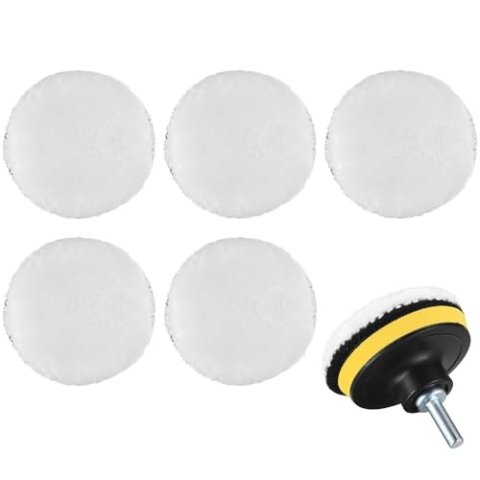 MMDBD 5 Piece 5 Inch Wool Polishing Pads for Drill with Adapter
£7.59
In stock
MMDBD 5 Piece 5 Inch Wool Polishing Pads for Drill with Adapter
£7.59
In stock
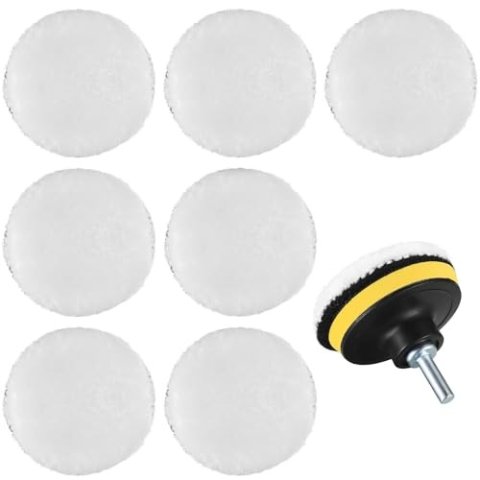 MMDBD 7-Piece 4-Inch Wool Drill Polishing Pad Kit with Adapter
£7.59
In stock
Save 3%
MMDBD 7-Piece 4-Inch Wool Drill Polishing Pad Kit with Adapter
£7.59
In stock
Save 3% 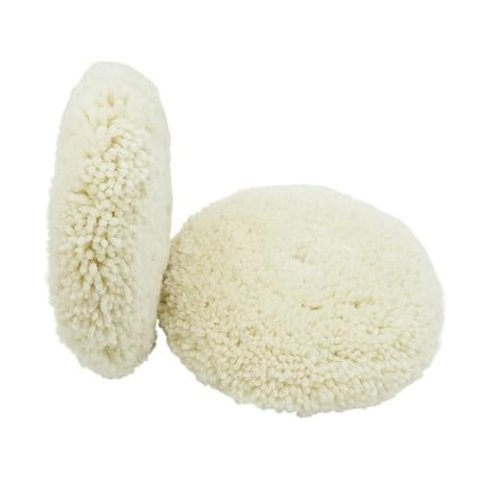 MOBUKJUU 7 Inch Double-Sided Soft Wool Polishing Buffing Pad
£10.90
MOBUKJUU 7 Inch Double-Sided Soft Wool Polishing Buffing Pad
£10.90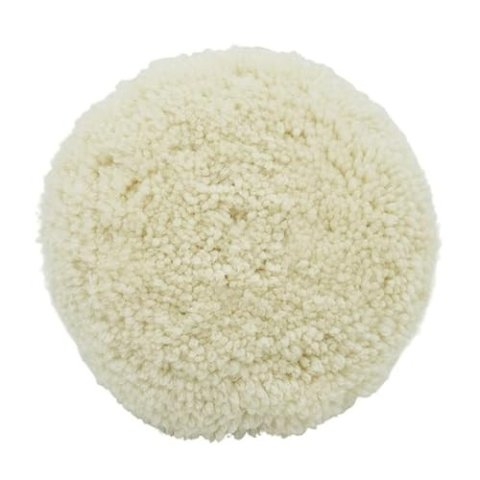 MOBUKJUU 8 Inch Double-Sided Wool Polishing Buffing Pad
£7.19
MOBUKJUU 8 Inch Double-Sided Wool Polishing Buffing Pad
£7.19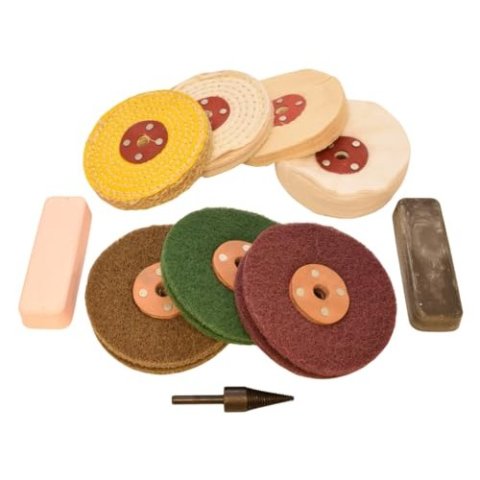 Moleroda Bench Grinder Metal Polishing Kit, 8-Piece Buffing and Finishing Set, Black & Pink (Ferrous) Compound
£42.99
In stock
Moleroda Bench Grinder Metal Polishing Kit, 8-Piece Buffing and Finishing Set, Black & Pink (Ferrous) Compound
£42.99
In stock
 MOTHERS California Gold Chrome Polish, 12 oz
£19.21
In stock
Save 23%
MOTHERS California Gold Chrome Polish, 12 oz
£19.21
In stock
Save 23%  Muc-Off Miracle Shine Polish with Carnauba Wax, 500ml
£21.49
Muc-Off Miracle Shine Polish with Carnauba Wax, 500ml
£21.49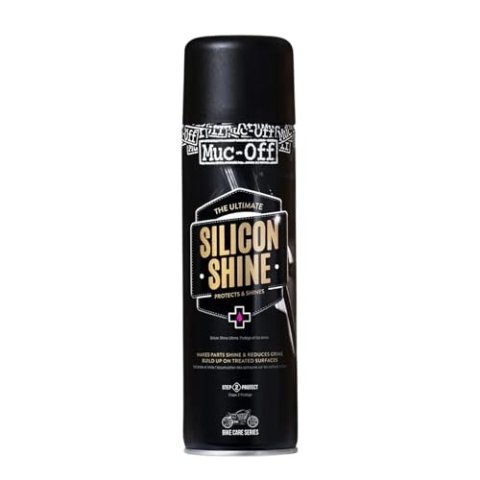 Muc-Off Motorcycle Silicon Shine Silicone Spray, 500ml
£11.99
In stock
Muc-Off Motorcycle Silicon Shine Silicone Spray, 500ml
£11.99
In stock
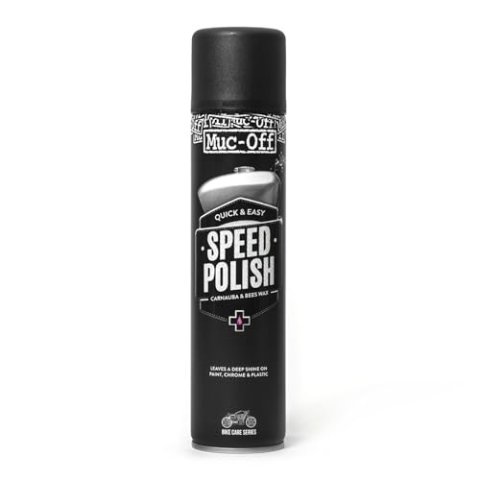 Muc-Off Speed Polish Motorcycle Polish and Wax Spray, 400ml
£10.99
In stock
Save 11%
Muc-Off Speed Polish Motorcycle Polish and Wax Spray, 400ml
£10.99
In stock
Save 11%  NAXIXI Car Scratch Remover Kit with Wax, Towel and Sponge
£7.99
NAXIXI Car Scratch Remover Kit with Wax, Towel and Sponge
£7.99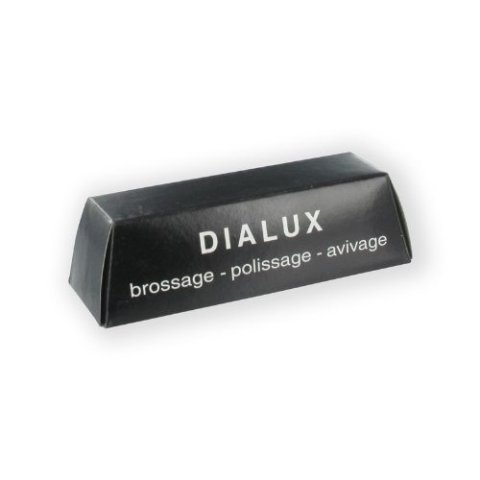 Niqua DIALUX Original black polishing paste, 98 g, 1 piece
£11.28
In stock
Niqua DIALUX Original black polishing paste, 98 g, 1 piece
£11.28
In stock
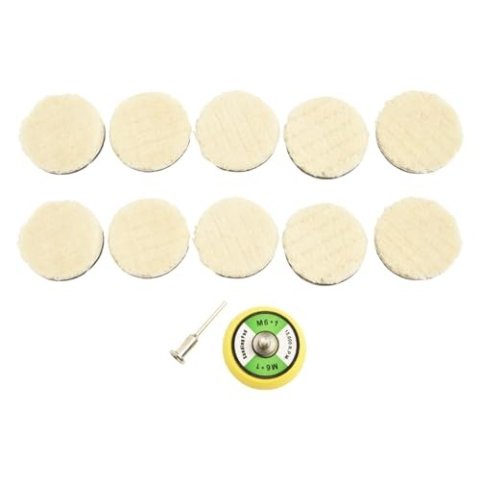 NiuLumea 11-piece 2 inch wool polishing pads set, 50 mm buffing bonnets
£6.29
In stock
NiuLumea 11-piece 2 inch wool polishing pads set, 50 mm buffing bonnets
£6.29
In stock
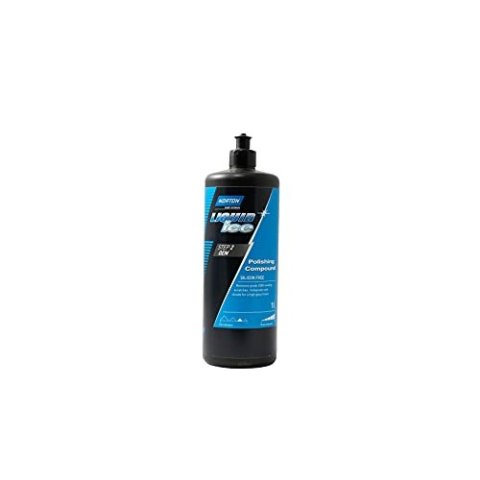 Norton Liquid Ice Polishing Paste 1L
£50.37
In stock
Norton Liquid Ice Polishing Paste 1L
£50.37
In stock
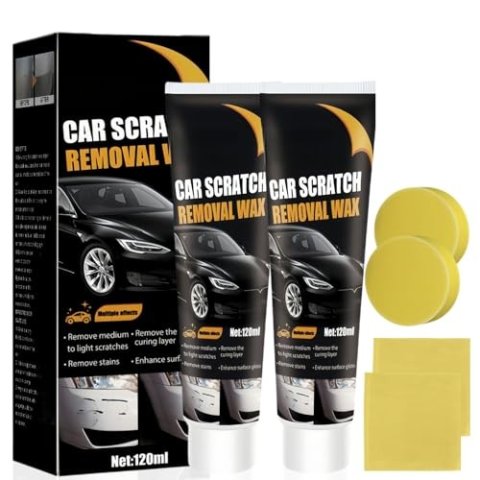 Nuohaya 2-Piece Car Scratch Remover Kit with Sponge
£8.50
In stock
Nuohaya 2-Piece Car Scratch Remover Kit with Sponge
£8.50
In stock
 OTOTEC Pack of 2 40mm Tyre Grinding Heads, 6mm Shank
£16.09
In stock
OTOTEC Pack of 2 40mm Tyre Grinding Heads, 6mm Shank
£16.09
In stock
 Oxford Mint High Gloss Polish 500ml
£14.67
In stock
Oxford Mint High Gloss Polish 500ml
£14.67
In stock
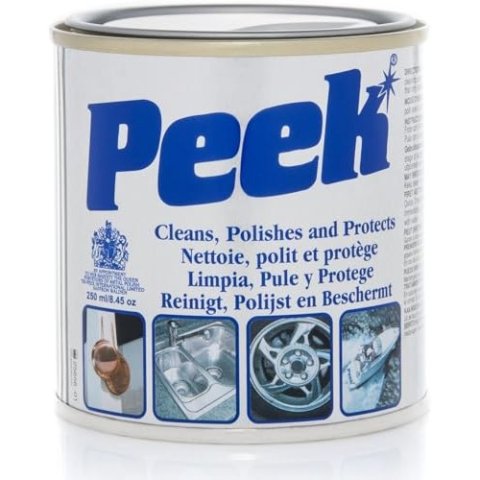 Peek Metal Cleaner and Polishing Compound Paste, 250ml
£10.50
In stock
Peek Metal Cleaner and Polishing Compound Paste, 250ml
£10.50
In stock
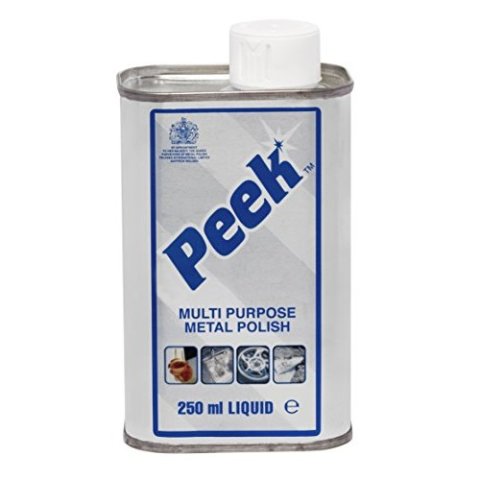 Peek Metal Polish Liquid 250ml
£9.79
In stock
Save 8%
Peek Metal Polish Liquid 250ml
£9.79
In stock
Save 8%  Pelirinn 100g Metal Polish Paste for Wheels, Chrome and Stainless Steel
£7.99
Pelirinn 100g Metal Polish Paste for Wheels, Chrome and Stainless Steel
£7.99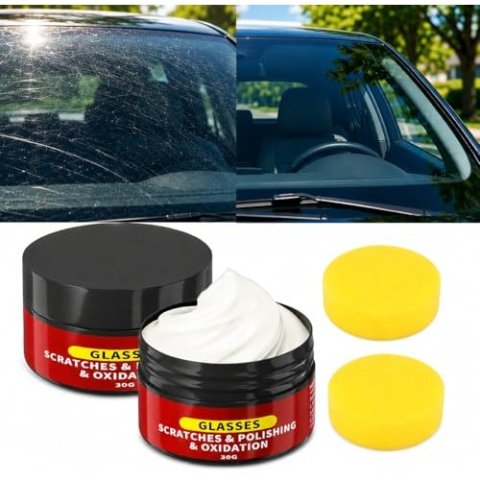 Pipihome Glass Scratch Remover Kit, 2 x 30g with Sponges
£7.99
Pipihome Glass Scratch Remover Kit, 2 x 30g with Sponges
£7.99 Pipihome Nano Quick Coat Restore Spray for car polish and protection
£4.99
Pipihome Nano Quick Coat Restore Spray for car polish and protection
£4.99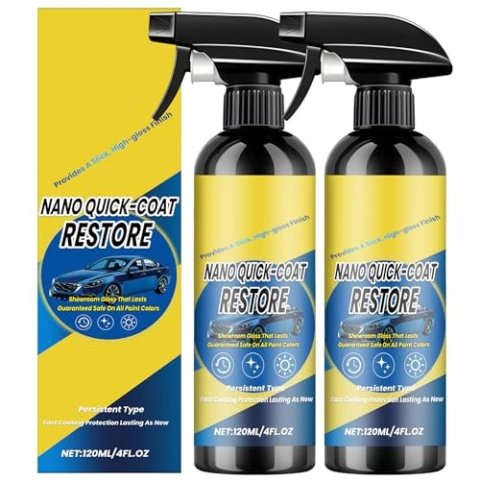 Pipihome Nano Quick Coat Restore Spray, 2 Pack
£9.99
In stock
Pipihome Nano Quick Coat Restore Spray, 2 Pack
£9.99
In stock
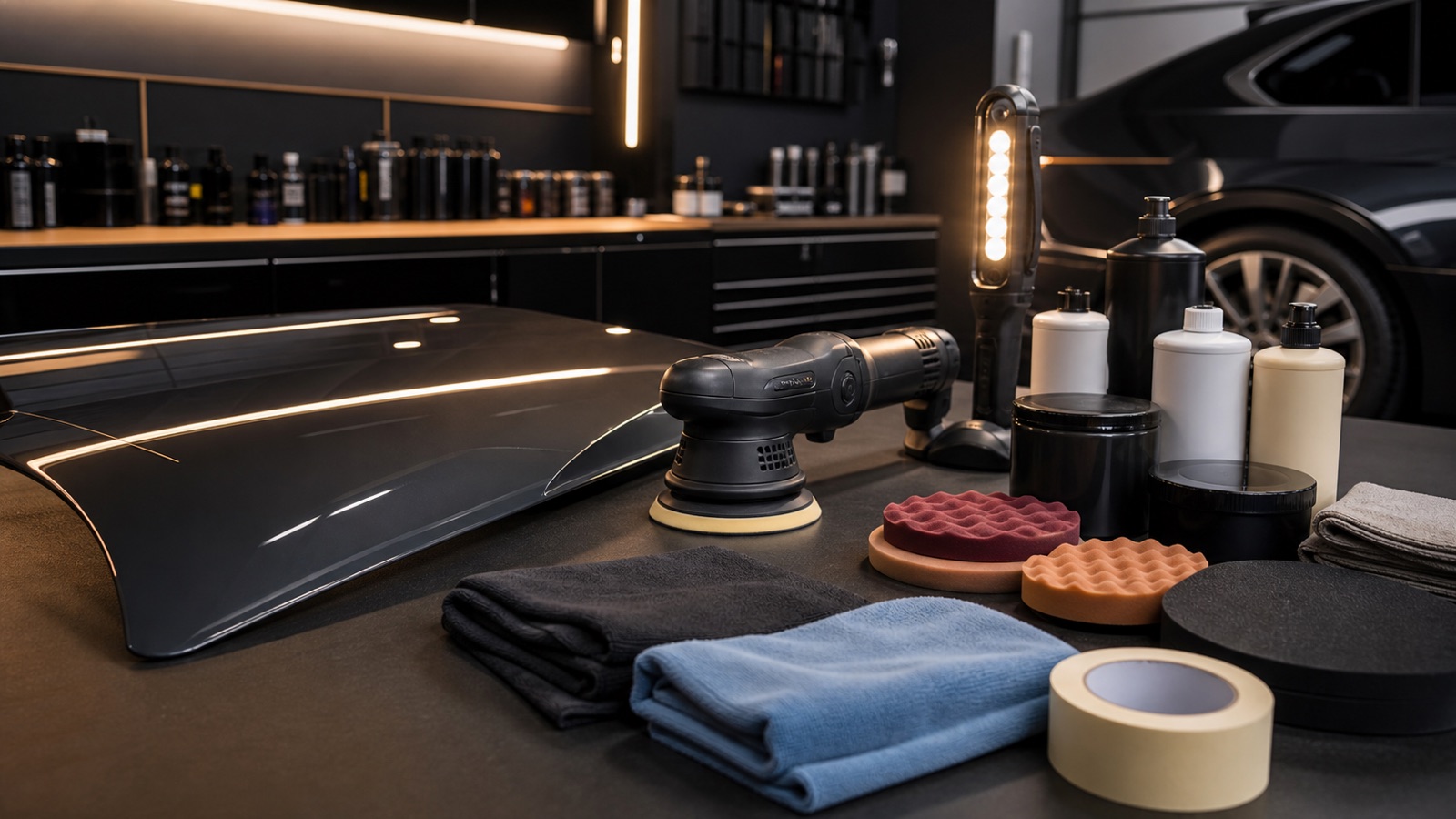
Paint correction and protection
Not every mark needs an aggressive compound, and wax will not remove a scratch. Start by identifying the defect, then choose the least aggressive correction step that can improve it. Finish with protection only after the surface is clean and the result has been checked in good light.
Start with the task
Useful when you need a coordinated selection of compounds, pads or accessories rather than one standalone liquid.
For oxidation, sanding marks or visible defects that need controlled abrasive correction before refining.
For restoring gloss, refining light haze or preparing paint for a separate wax or sealant.
For repeatable machine work where pad size, backing plate, orbit and speed control must match the task.
Understand the labels
A comparatively abrasive correction product for heavier oxidation, sanding marks or more visible clear-coat defects. It normally needs a refining step afterwards.
A targeted abrasive or filling product for localised light marks. It can improve appearance, but it cannot rebuild missing paint or safely remove every deep scratch.
A finishing or light-correction product used to improve clarity and gloss. Some polishes contain protection, while others are intended to be followed by wax or sealant.
A protective finishing layer that can add gloss and water behaviour. It protects the prepared surface; it does not remove defects underneath it.
The pad changes the result as much as the liquid. Cutting, polishing and finishing pads should be matched to the product, paint condition and application method.
Dual-action and rotary machines behave differently. Check pad compatibility, working speed and your experience level before choosing a machine-led process.
Before you buy
A visual buying guide
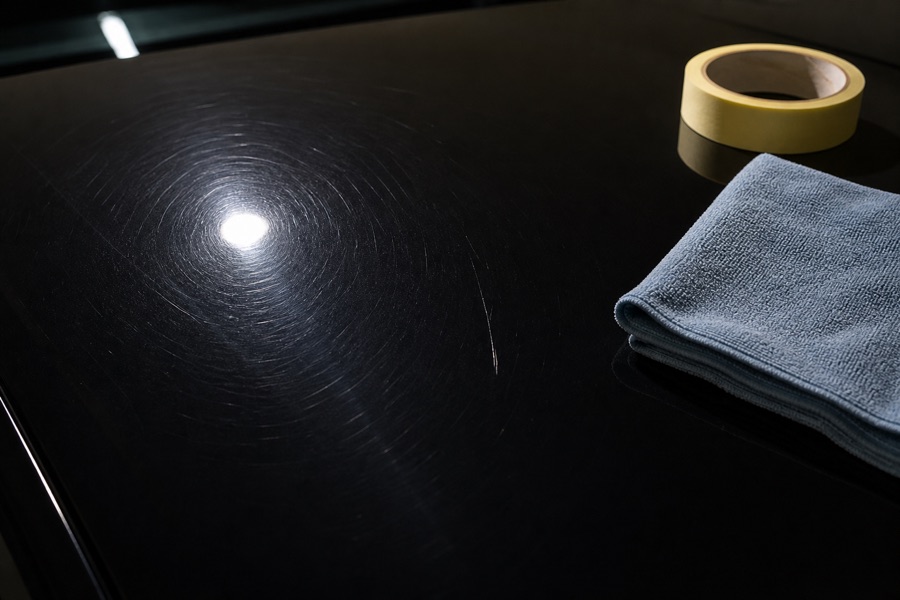
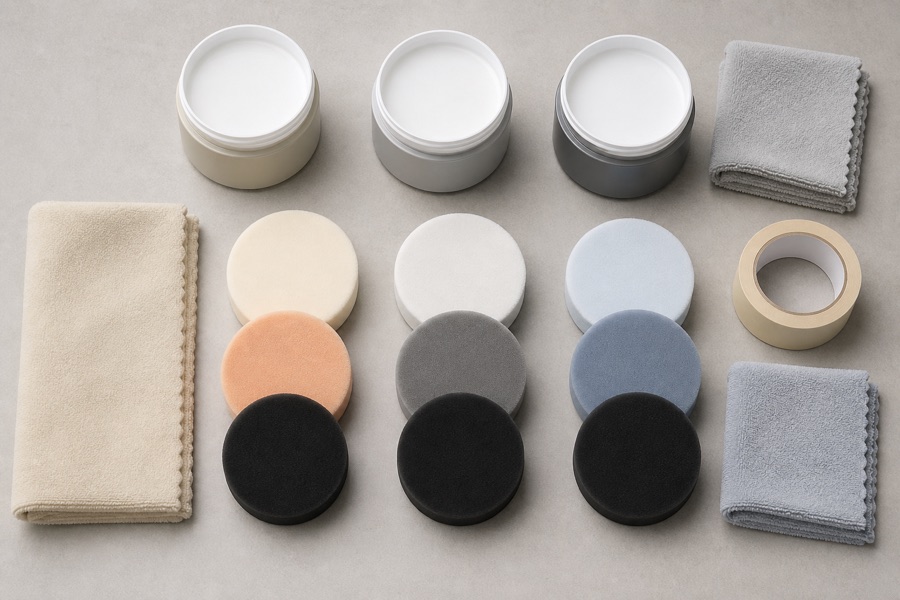
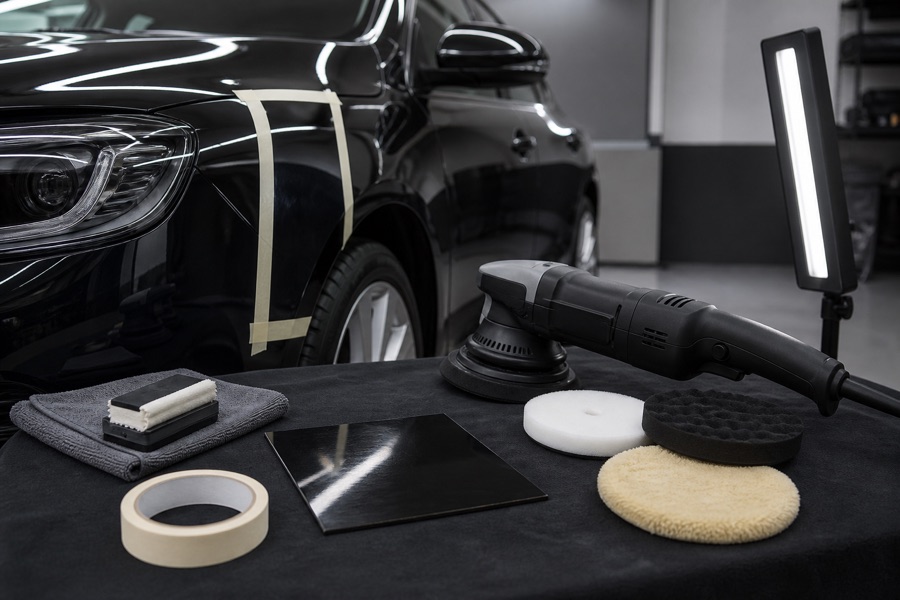
Quick comparison
| What you see | Useful starting point | Important limit |
|---|---|---|
| Light haze or very fine wash marks | Finishing polish with a soft polishing or finishing pad | Test a small area; harder paint may need a different combination |
| Moderate swirls, oxidation or visible clear-coat defects | Compound or medium-cut polish followed by a refining step | Paint thickness and previous repairs may limit safe correction |
| Isolated light scratch or paint transfer | Targeted scratch remover or controlled spot correction | A deep scratch through the colour coat needs repair, not repeated polishing |
| Clean paint with acceptable gloss | Wax, sealant or another compatible protective finish | Protection can mask very minor marks temporarily but does not remove them |
Safer working sequence
Important: Always follow the current product instructions. Avoid hot panels and contaminated pads, and seek professional assessment where paint is thin, damaged, matte, textured or previously repaired.
Start with the defect and the safest suitable method. Then check the product page for intended surfaces, hand or machine use, pad compatibility, pack contents and any required follow-up protection.
Need application tools as well? Compare polishing machines and accessories or browse car detailing kits for broader maintenance tasks.