Trigger sprays and aerosols
Useful for targeted engine-bay areas, brackets, covers and smaller parts where controlled application matters more than bulk coverage.
 Brake CareShop the complete range
 Cleaning KitsShop the complete range
 Fillers, Adhesives & SealantsShop the complete range
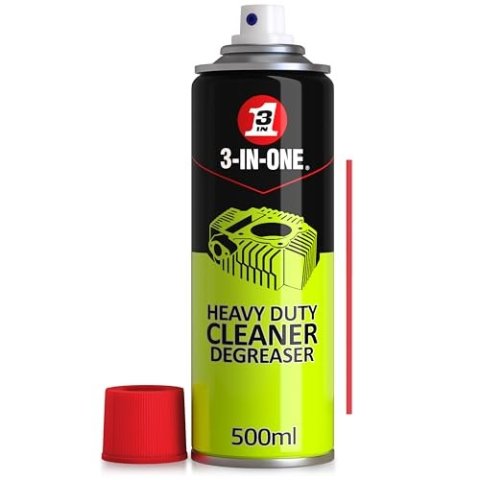 3-IN-ONE Professional Heavy Duty Cleaner Degreaser Spray 500 ml
£8.00
In stock
Save 3%
3-IN-ONE Professional Heavy Duty Cleaner Degreaser Spray 500 ml
£8.00
In stock
Save 3% 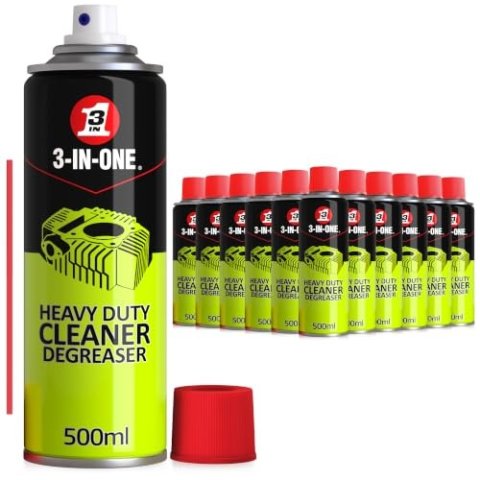 3-IN-ONE Professional Heavy Duty Cleaner Degreaser Spray 500ml, Pack of 12
£83.40
3-IN-ONE Professional Heavy Duty Cleaner Degreaser Spray 500ml, Pack of 12
£83.40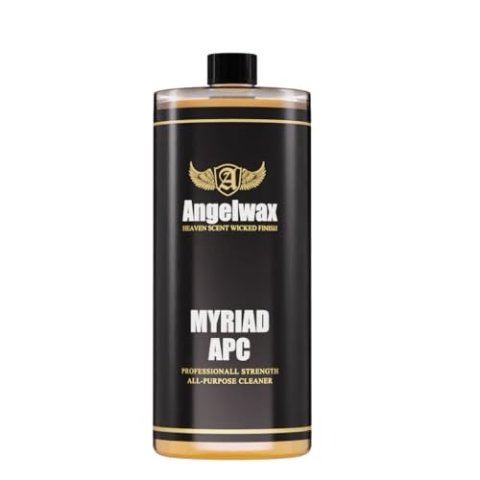 Angelwax Myriad APC 1L Concentrated All Purpose Cleaner & Degreaser
£21.55
In stock
Angelwax Myriad APC 1L Concentrated All Purpose Cleaner & Degreaser
£21.55
In stock
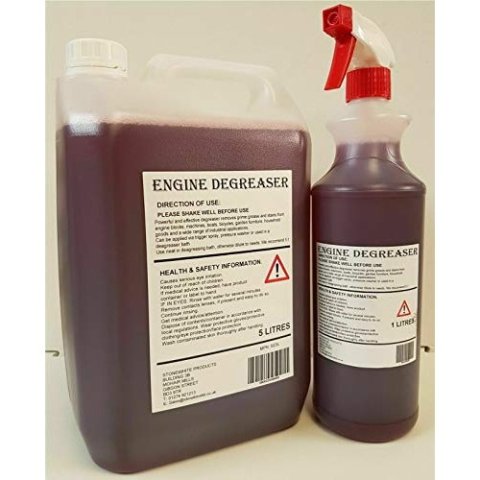 Aspect Distribution Ultra Engine Degreaser Spray Cleaner, 6 Litre
£16.45
In stock
Aspect Distribution Ultra Engine Degreaser Spray Cleaner, 6 Litre
£16.45
In stock
 Astonish C1606 750ml Engine Degreaser
£6.87
In stock
Astonish C1606 750ml Engine Degreaser
£6.87
In stock
 AXpower Engine Degreaser Spray 500ml, Pack of 2
£13.99
In stock
AXpower Engine Degreaser Spray 500ml, Pack of 2
£13.99
In stock
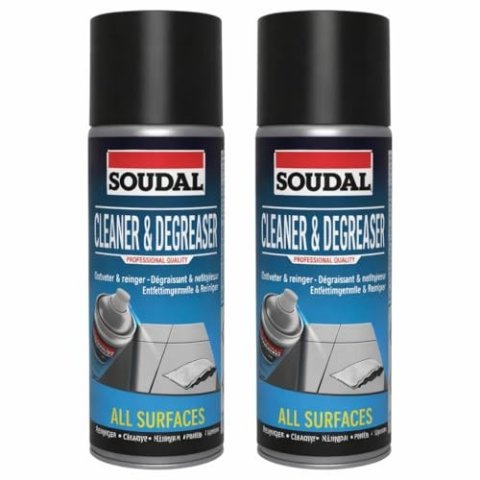 AXpower Professional Strength Cleaner & Degreaser Spray 400ml
£9.99
In stock
AXpower Professional Strength Cleaner & Degreaser Spray 400ml
£9.99
In stock
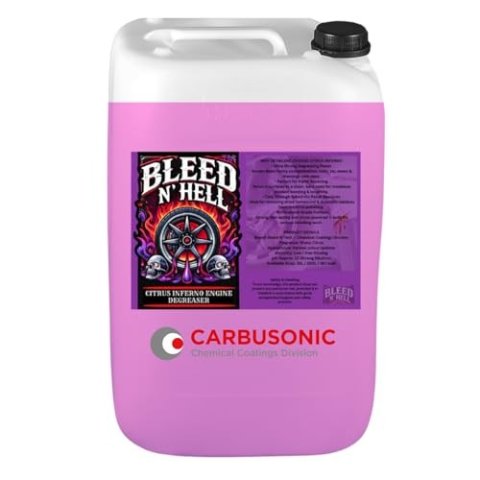 Carbusonic Bleed N’ Hell Citrus Inferno 20L Parts Washer Degreaser Concentrate
£69.99
In stock
Carbusonic Bleed N’ Hell Citrus Inferno 20L Parts Washer Degreaser Concentrate
£69.99
In stock
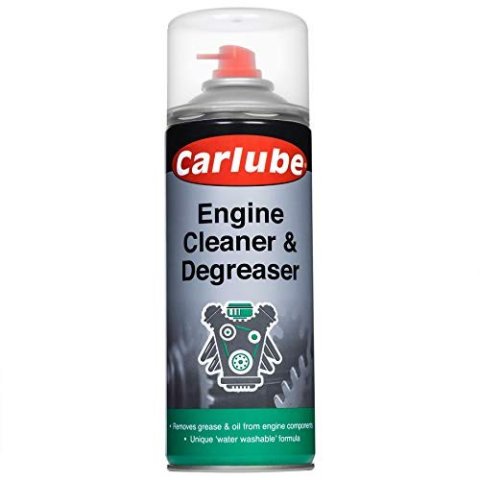 Carlube CED412 Engine Cleaner & Degreaser 400ml
£7.53
In stock
Save 5%
Carlube CED412 Engine Cleaner & Degreaser 400ml
£7.53
In stock
Save 5% 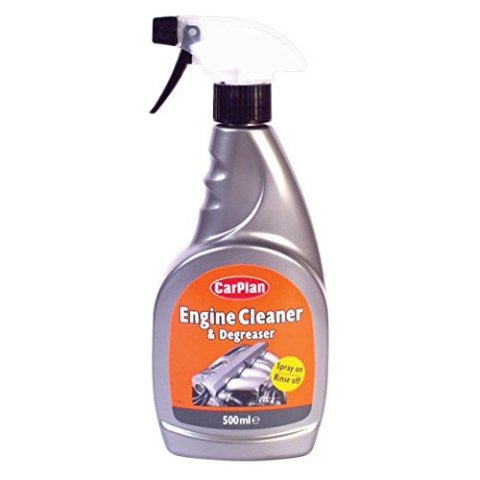 CarPlan ECL555 Engine Cleaner and Degreaser Trigger, 500 g (Pack of 1)
£7.60
CarPlan ECL555 Engine Cleaner and Degreaser Trigger, 500 g (Pack of 1)
£7.60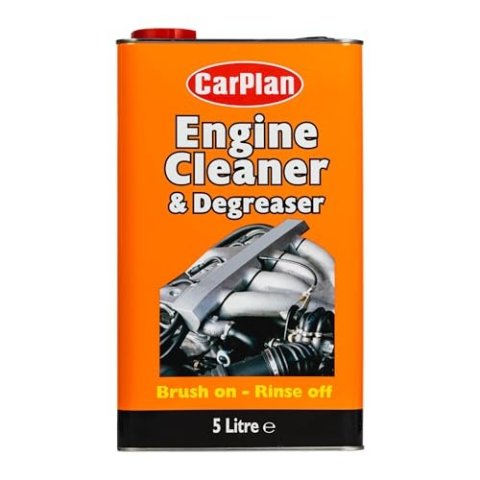 CarPlan Engine Cleaner and Degreaser 5L
£24.79
In stock
Save 5%
CarPlan Engine Cleaner and Degreaser 5L
£24.79
In stock
Save 5%  CarPlan Engine Cleaner and Degreaser Trigger, 500 g (Pack of 2)
£15.20
CarPlan Engine Cleaner and Degreaser Trigger, 500 g (Pack of 2)
£15.20 CARSHARK Heavy Duty Engine Degreaser Concentrate, 1 Litre
£8.99
In stock
CARSHARK Heavy Duty Engine Degreaser Concentrate, 1 Litre
£8.99
In stock
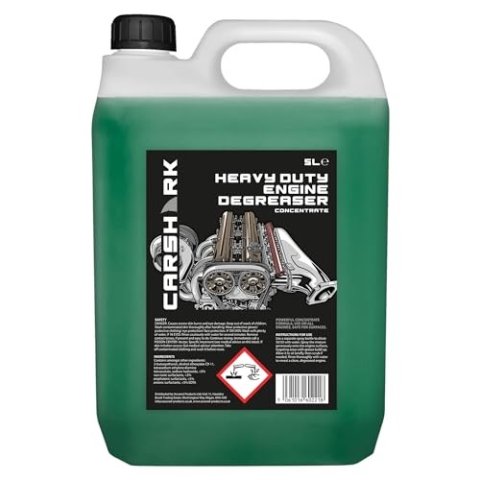 CARSHARK Heavy Duty Engine Degreaser Concentrate, 5 Litre
£15.99
In stock
CARSHARK Heavy Duty Engine Degreaser Concentrate, 5 Litre
£15.99
In stock
 CARSHARK Heavy Duty Engine Degreaser Concentrate, 5 Litre + 1 Litre
£18.99
In stock
CARSHARK Heavy Duty Engine Degreaser Concentrate, 5 Litre + 1 Litre
£18.99
In stock
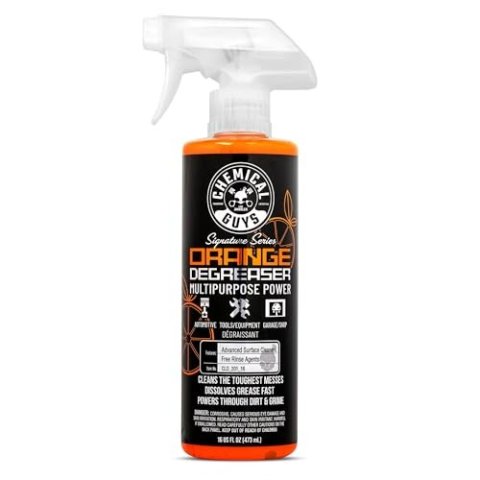 Chemical Guys Signature Series Orange Degreaser 16 oz Heavy Duty All Purpose Cleaner
£18.99
In stock
Chemical Guys Signature Series Orange Degreaser 16 oz Heavy Duty All Purpose Cleaner
£18.99
In stock
 Chemical Superstore 100:1 Caustic Motowash Engine Degreaser 25L
£37.12
In stock
Chemical Superstore 100:1 Caustic Motowash Engine Degreaser 25L
£37.12
In stock
 Chemical Superstore MotoWash Heavy Duty Engine Degreaser, 25 L Ready to Use
£38.29
In stock
Chemical Superstore MotoWash Heavy Duty Engine Degreaser, 25 L Ready to Use
£38.29
In stock
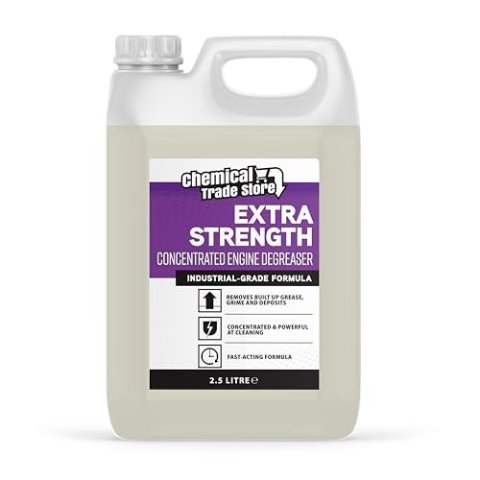 Chemical Trade Store Concentrated Engine Degreaser & Parts Washer Fluid, 2.5 L (Pack of 1)
£9.55
In stock
Chemical Trade Store Concentrated Engine Degreaser & Parts Washer Fluid, 2.5 L (Pack of 1)
£9.55
In stock
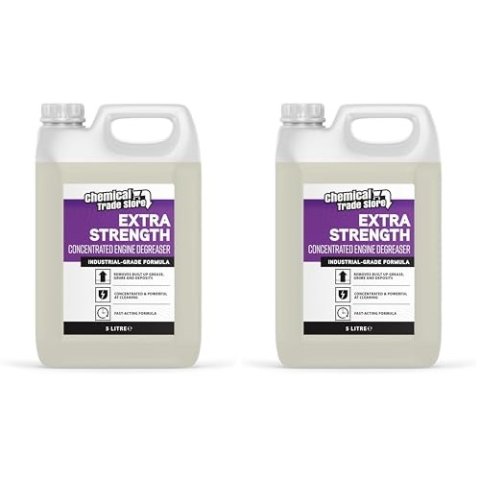 Chemical Trade Store Concentrated Engine Degreaser & Parts Washer Fluid, 5L, Pack of 2
£30.98
In stock
Chemical Trade Store Concentrated Engine Degreaser & Parts Washer Fluid, 5L, Pack of 2
£30.98
In stock
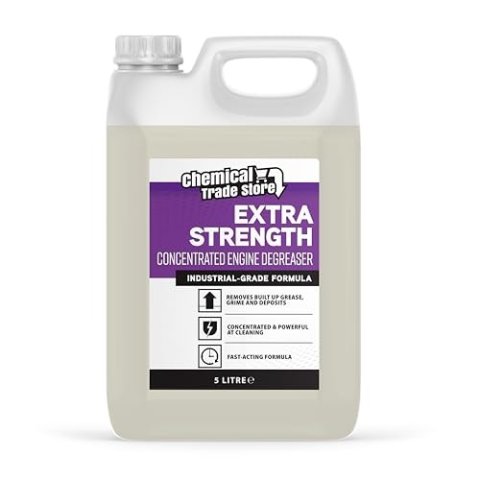 Chemical Trade Store Concentrated Engine Degreaser and Parts Washer Fluid, 5 L
£15.49
In stock
Chemical Trade Store Concentrated Engine Degreaser and Parts Washer Fluid, 5 L
£15.49
In stock
 Chemiphase EngineKlenz Engine Degreaser and Automotive Cleaner, 2 x 5 Litres
£23.93
In stock
Chemiphase EngineKlenz Engine Degreaser and Automotive Cleaner, 2 x 5 Litres
£23.93
In stock
 Comma Hyperclean Engine Degreaser 5L
£38.99
In stock
Comma Hyperclean Engine Degreaser 5L
£38.99
In stock
 DRDOWNPIPE Bike Wash Motorbike Cleaner, Spray-On Plant-Based Degreaser, 1 Litre
£10.99
In stock
DRDOWNPIPE Bike Wash Motorbike Cleaner, Spray-On Plant-Based Degreaser, 1 Litre
£10.99
In stock
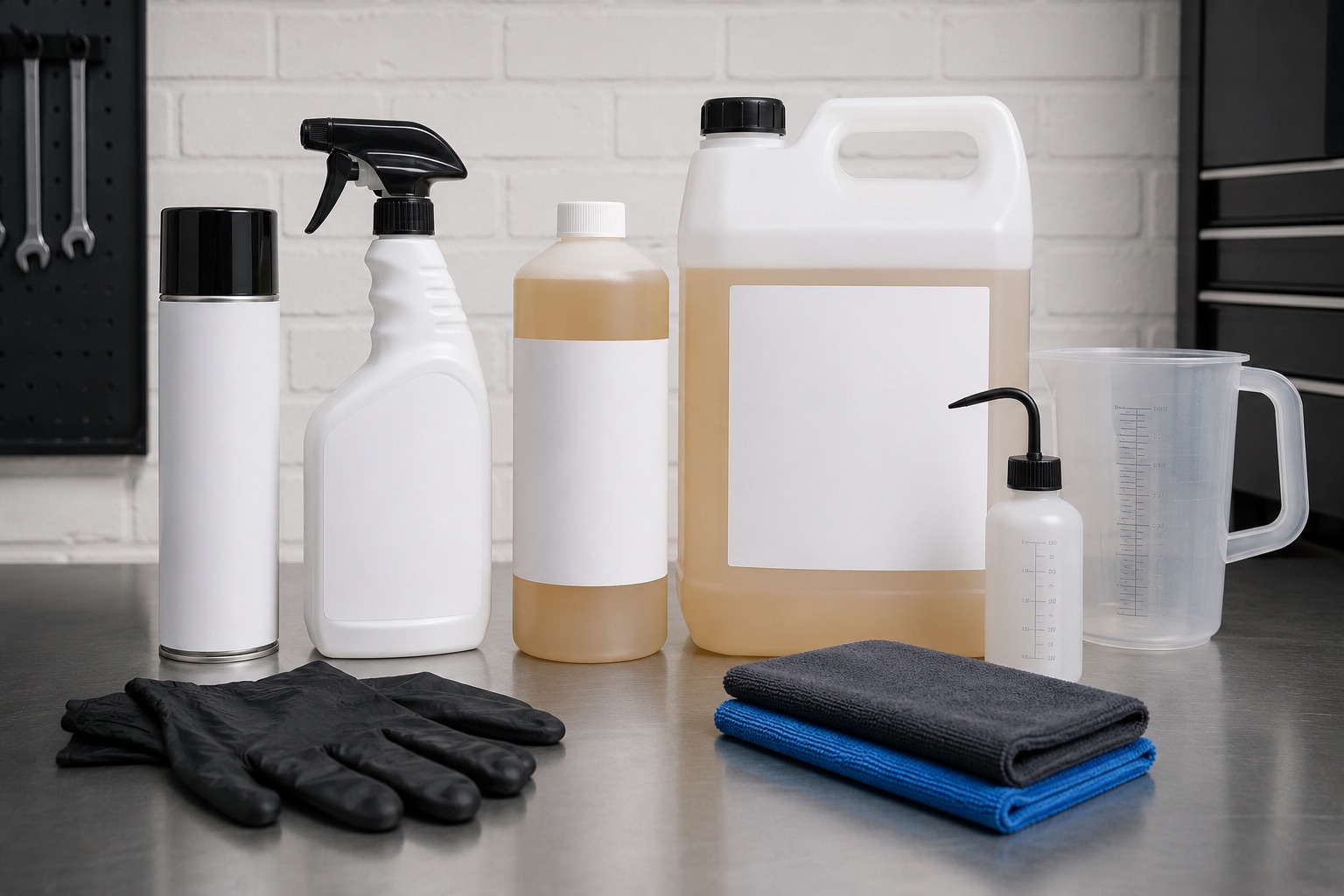
Engine degreasers are cleaners for oil film, grease and road grime around engine bays, external engine parts, brackets, under-bonnet plastics, tools used around the engine and removed parts where the product label allows.
Use this collection when you are comparing engine-bay cleaning products rather than broad workshop degreasers. Check surface guidance, dwell time, dilution, and whether the product needs wiping, rinsing or careful residue removal before choosing by bottle size.
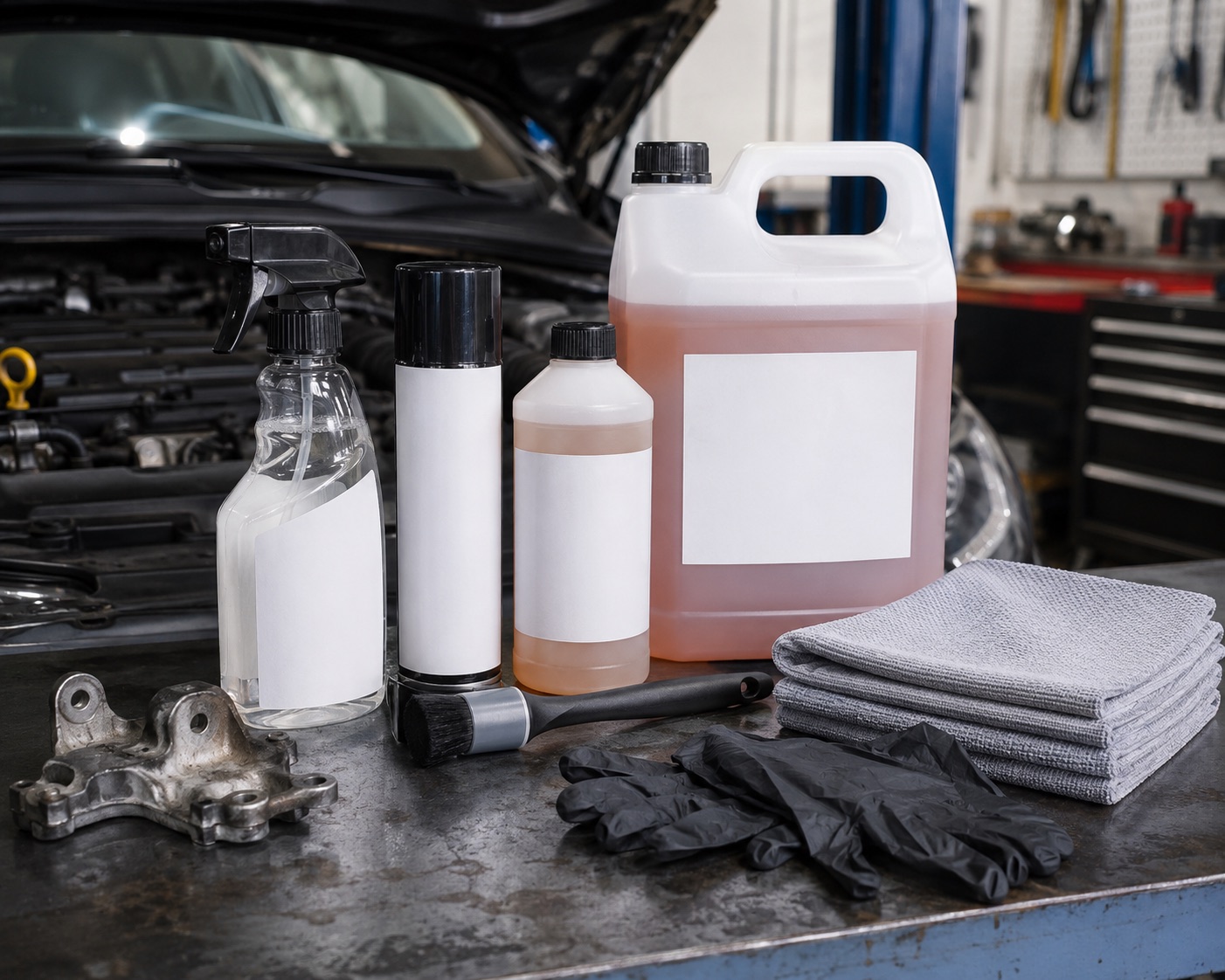
Useful for targeted engine-bay areas, brackets, covers and smaller parts where controlled application matters more than bulk coverage.
Useful when you want a product already mixed for routine engine-area cleaning. Compare the spray pattern, wipe or rinse method, and surface notes.
Useful for repeat use, several vehicles or workshop cleaning routines. Check dilution guidance, measuring needs, storage notes and compatible sprayers.
Useful for heavier oil and grease on compatible parts. Check whether the formula is water-based, solvent-based, citrus or caustic before using it near sensitive materials.
Useful when the area includes aluminium, painted metal, plastic covers, rubber hoses, labels or nearby connectors. Favour products with clear material guidance.
Useful when brackets, covers or tools can be cleaned away from the vehicle. Compare contact time, residue, runoff and whether brushing, wiping or rinsing is required.
| Engine-area need | Product format to compare | Check before buying |
|---|---|---|
| Small engine-bay details, brackets or covers | Trigger spray, aerosol or ready-to-use engine bay cleaner. | Spray pattern, overspray control, surface notes, drying behaviour, and whether the product needs wiping or rinsing. |
| Repeated vehicle or workshop use | Concentrated degreaser, refill bottle or larger container. | Dilution ratio, measuring method, compatible sprayer, storage guidance, PPE notes, and whether the formula suits the surfaces you clean most often. |
| Heavier grease on removed parts or tools | Heavy-duty degreaser or parts-cleaning product listed for the material. | Material compatibility, residue, runoff, disposal guidance, contact time, and whether the cleaner is intended for removed parts rather than installed engine-bay use. |
| Mixed engine-bay materials | Milder ready-to-use cleaner or product with clear multi-surface guidance. | Painted metal, aluminium, plastic covers, rubber hoses, labels, belts, connectors and nearby electrical-adjacent areas. |
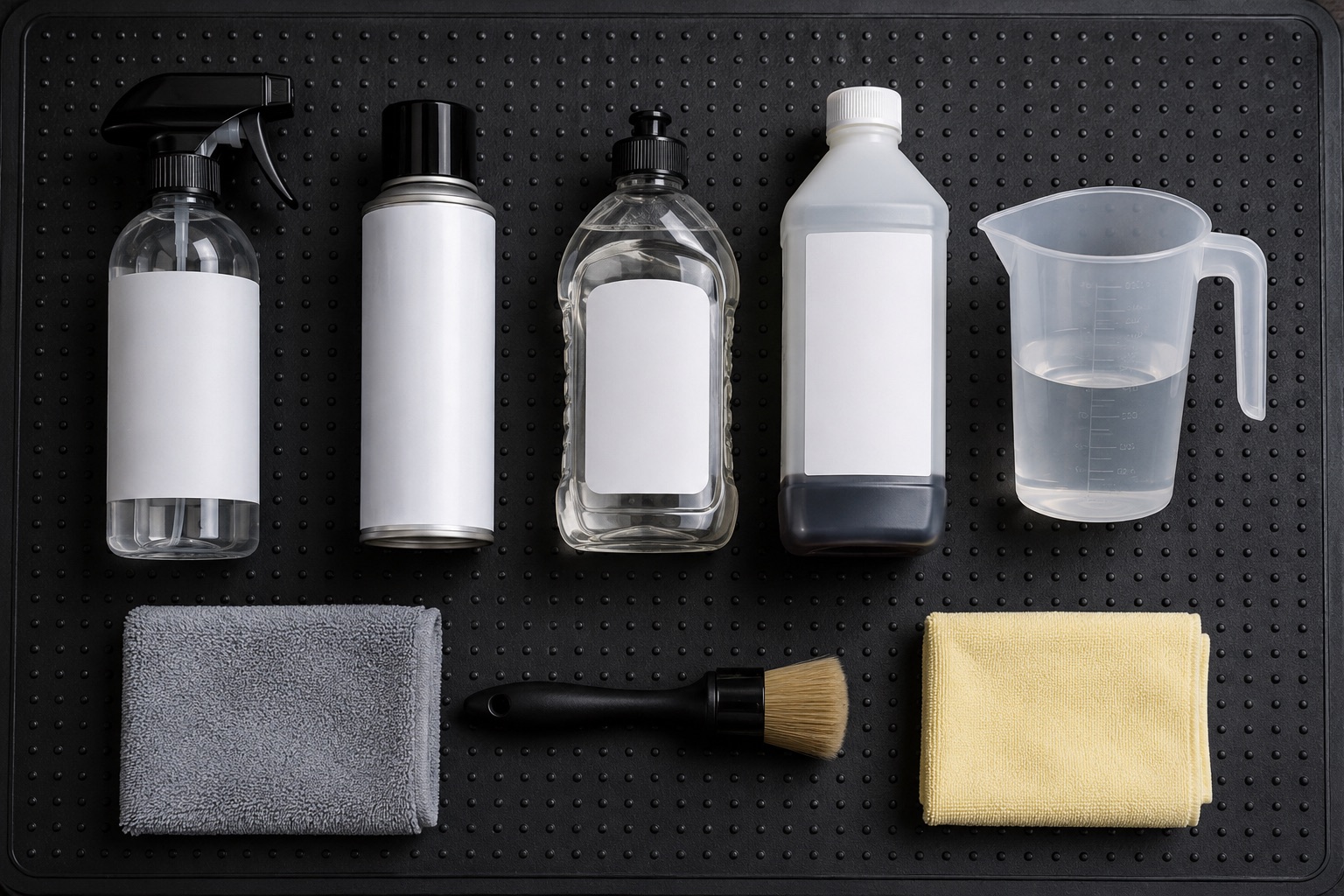
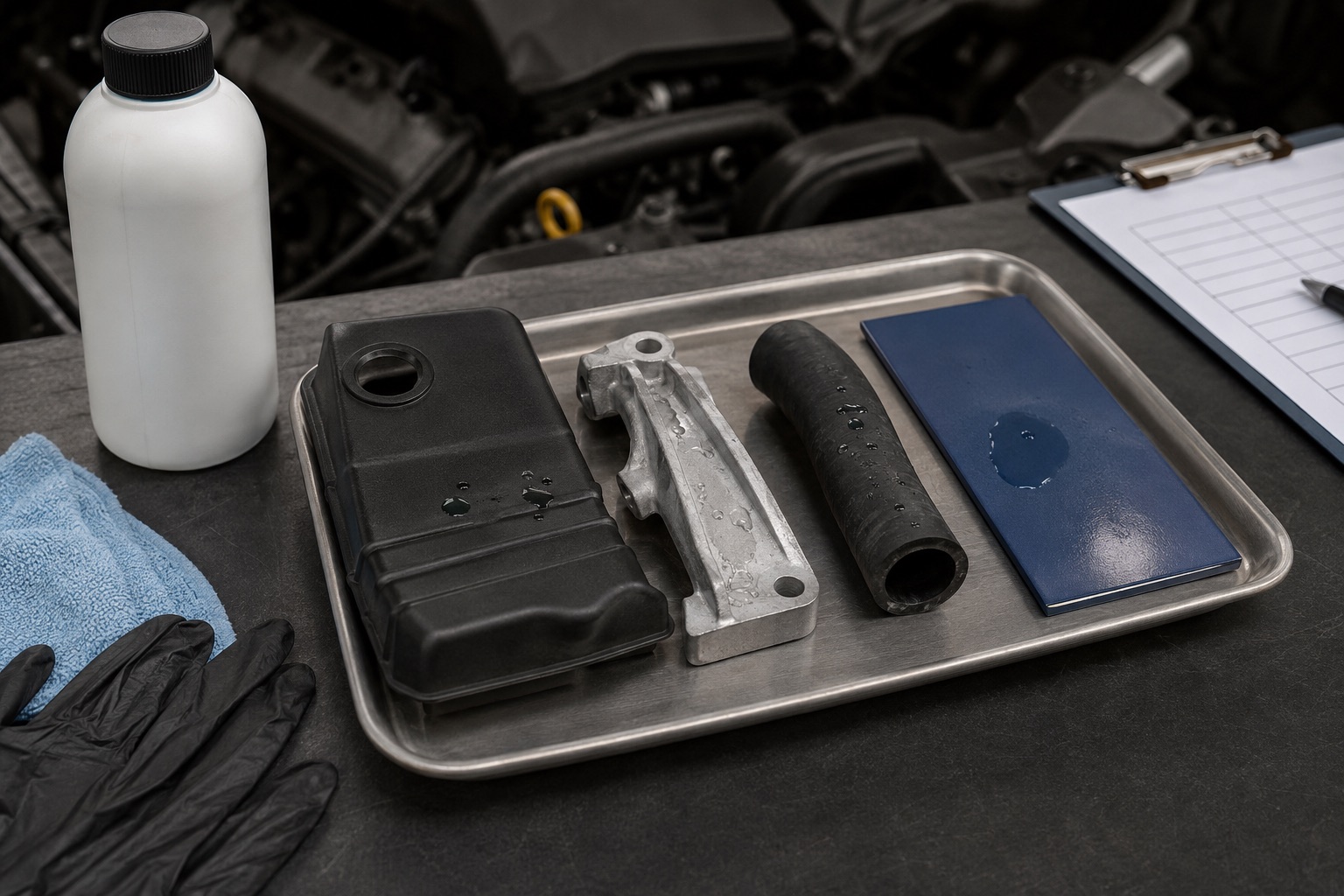
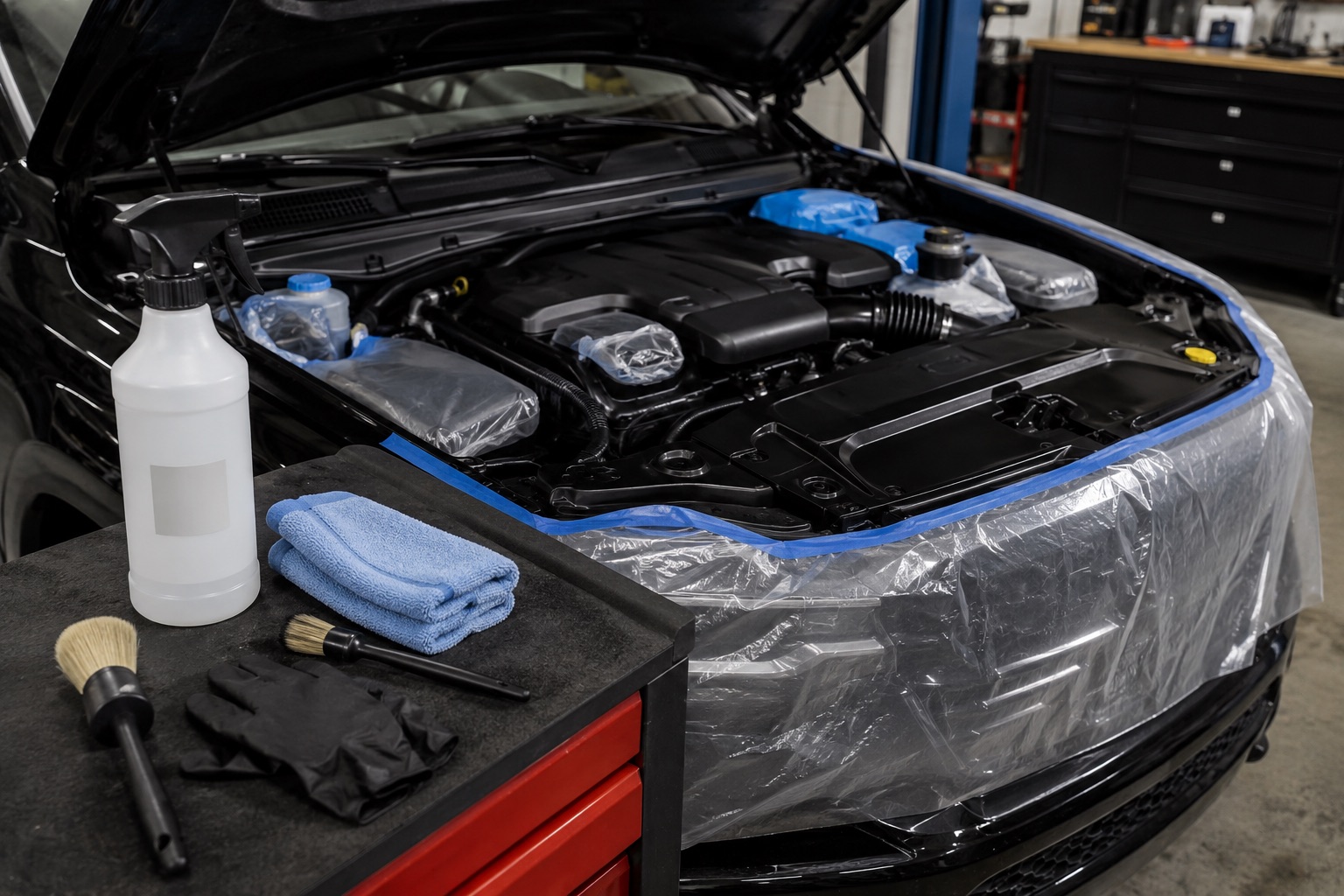
Engine areas can include aluminium, painted metal, plastic covers, rubber hoses, decals, belts, labels and connectors. Confirm the label covers the materials you expect to clean.
Some products are wiped away, some need rinsing, and some leave residue if they are not removed as directed. Compare this before choosing a spray or concentrate.
A stronger degreaser is not automatically the better choice. Lighter road film, oily tools and heavy grease can call for different formulas and contact times.
Aerosols and smaller trigger bottles suit occasional jobs. Larger bottles and concentrates make more sense when the product will be used regularly across several vehicles or workshop tasks.
General degreaser pages can include workshop floors, tools, parts washers, panel preparation and household-style cleaning. Engine degreasers should be judged mainly by engine-bay relevance: material guidance, controlled application, residue handling and suitability for vehicle engine areas.
If a listing does not mention engine bays, engine parts or vehicle use clearly, treat it as a product to investigate rather than an automatic fit for this collection.
Brand
Size
Format
Strength
Formula
Use Case
Vehicle Type
Product Type