
Engine bay degreasing
Use engine degreasers when the product needs to work around engine bay grime, oily residue, brackets, covers, and compatible under-bonnet surfaces.
 Brake CareShop the complete range
 Cleaning KitsShop the complete range
 Fillers, Adhesives & SealantsShop the complete range
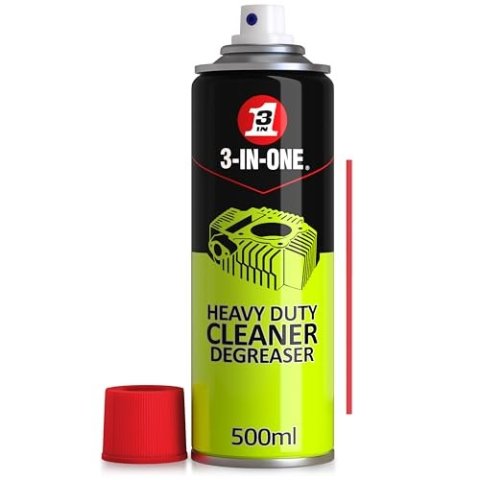 3-IN-ONE Professional Heavy Duty Cleaner Degreaser Spray 500 ml
£8.00
In stock
Save 3%
3-IN-ONE Professional Heavy Duty Cleaner Degreaser Spray 500 ml
£8.00
In stock
Save 3% 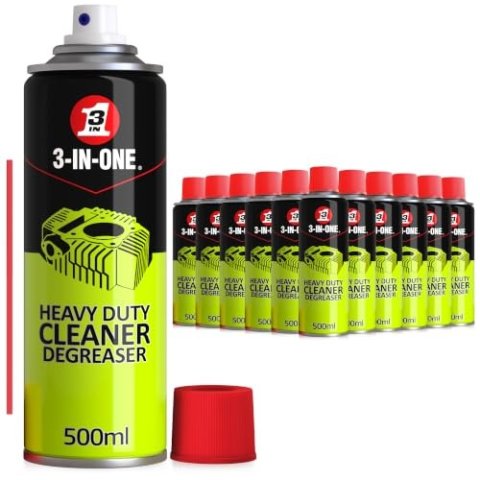 3-IN-ONE Professional Heavy Duty Cleaner Degreaser Spray 500ml, Pack of 12
£83.40
3-IN-ONE Professional Heavy Duty Cleaner Degreaser Spray 500ml, Pack of 12
£83.40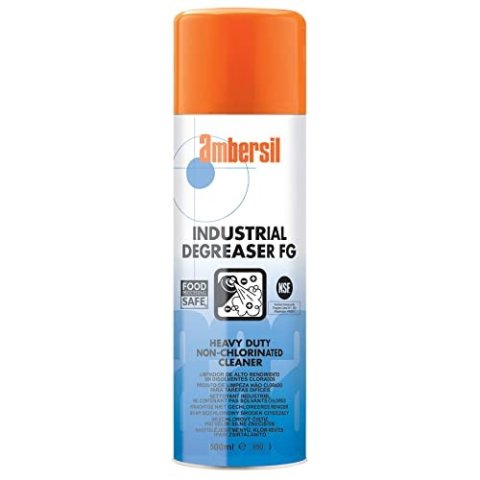 Ambersil Industrial Degreaser FG 500 ml
£18.75
In stock
Ambersil Industrial Degreaser FG 500 ml
£18.75
In stock
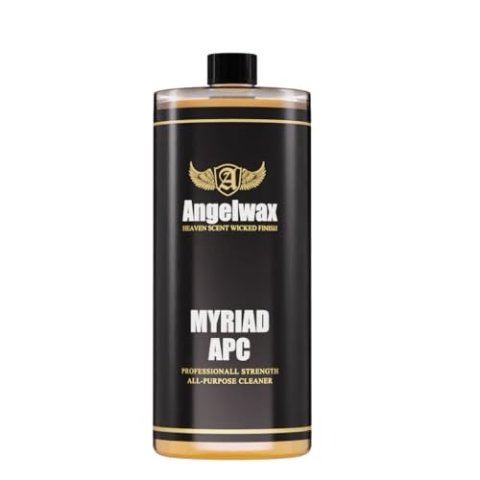 Angelwax Myriad APC 1L Concentrated All Purpose Cleaner & Degreaser
£21.55
In stock
Angelwax Myriad APC 1L Concentrated All Purpose Cleaner & Degreaser
£21.55
In stock
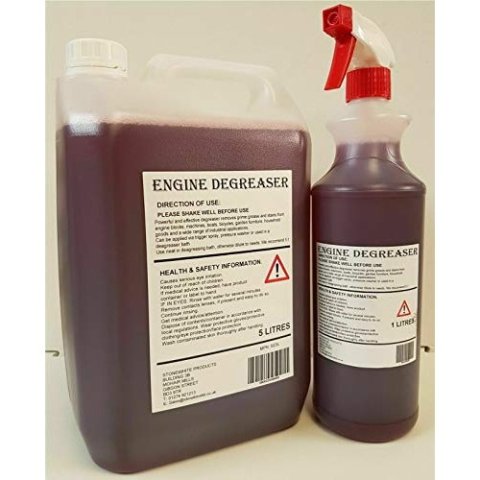 Aspect Distribution Ultra Engine Degreaser Spray Cleaner, 6 Litre
£16.45
In stock
Aspect Distribution Ultra Engine Degreaser Spray Cleaner, 6 Litre
£16.45
In stock
 Astonish C1606 750ml Engine Degreaser
£6.87
In stock
Astonish C1606 750ml Engine Degreaser
£6.87
In stock
 AXpower Engine Degreaser Spray 500ml, Pack of 2
£13.99
In stock
AXpower Engine Degreaser Spray 500ml, Pack of 2
£13.99
In stock
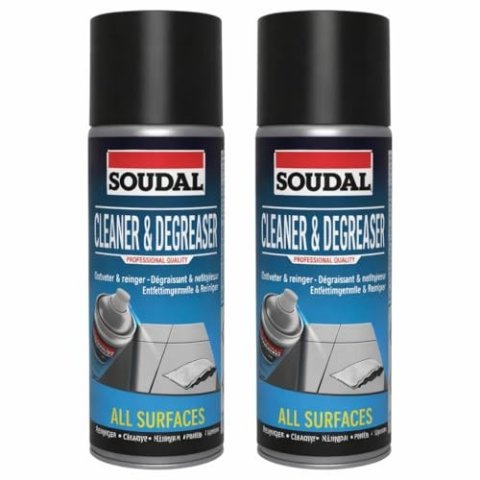 AXpower Professional Strength Cleaner & Degreaser Spray 400ml
£9.99
In stock
AXpower Professional Strength Cleaner & Degreaser Spray 400ml
£9.99
In stock
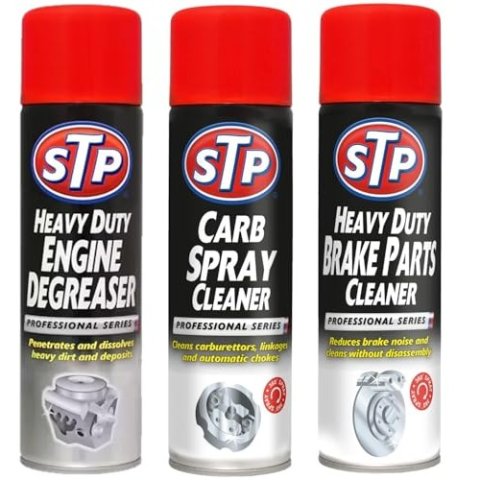 AXpower STP Automotive Cleaning Kit, 3-in-1 500ml Carb Cleaner, Engine Degreaser and Brake Parts Cleaner
£13.95
In stock
AXpower STP Automotive Cleaning Kit, 3-in-1 500ml Carb Cleaner, Engine Degreaser and Brake Parts Cleaner
£13.95
In stock
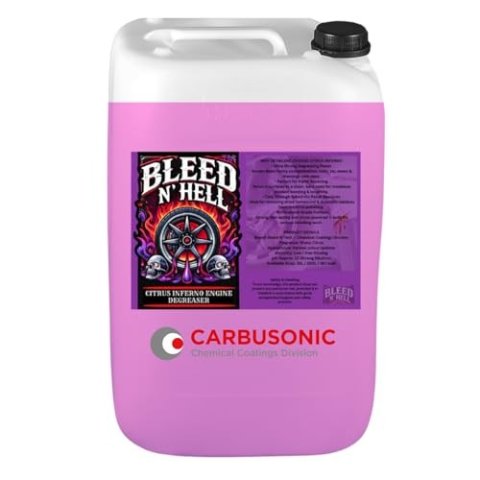 Carbusonic Bleed N’ Hell Citrus Inferno 20L Parts Washer Degreaser Concentrate
£69.99
In stock
Carbusonic Bleed N’ Hell Citrus Inferno 20L Parts Washer Degreaser Concentrate
£69.99
In stock
 Carbusonic Panel Wipe 5L Solvent-Based Anti-Silicone Car Body Cleaner
£31.99
In stock
Carbusonic Panel Wipe 5L Solvent-Based Anti-Silicone Car Body Cleaner
£31.99
In stock
 Carbusonic Panel Wipe Degreaser, 1L Trigger Spray
£16.99
In stock
Carbusonic Panel Wipe Degreaser, 1L Trigger Spray
£16.99
In stock
 Carbusonic Panel Wipe Degreaser, 2L Pack
£26.00
In stock
Carbusonic Panel Wipe Degreaser, 2L Pack
£26.00
In stock
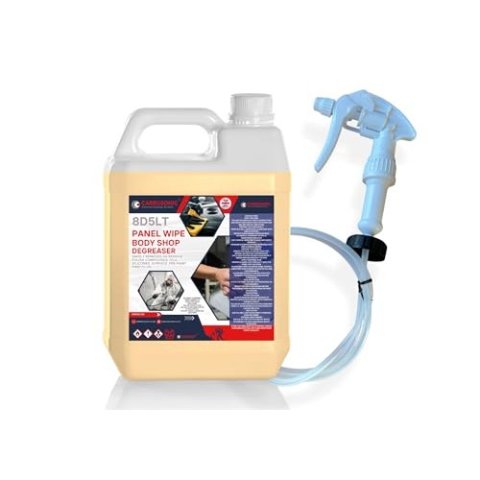 Carbusonic Panel Wipe Fast Degreaser, 25 L Pack
£69.99
In stock
Carbusonic Panel Wipe Fast Degreaser, 25 L Pack
£69.99
In stock
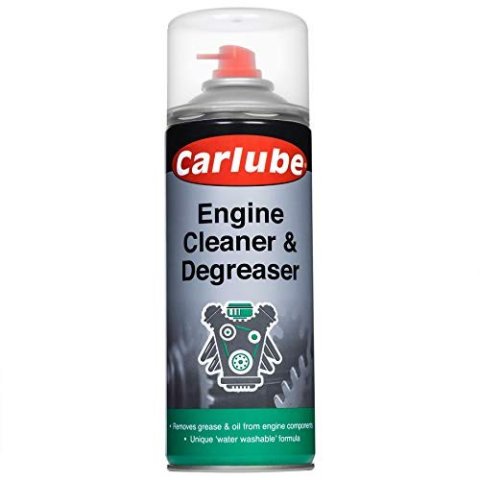 Carlube CED412 Engine Cleaner & Degreaser 400ml
£7.53
In stock
Save 5%
Carlube CED412 Engine Cleaner & Degreaser 400ml
£7.53
In stock
Save 5% 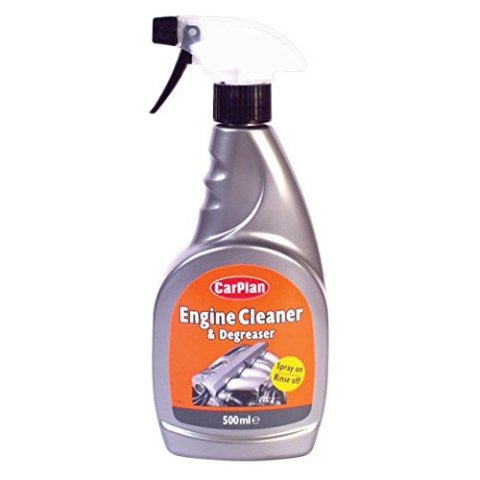 CarPlan ECL555 Engine Cleaner and Degreaser Trigger, 500 g (Pack of 1)
£7.60
CarPlan ECL555 Engine Cleaner and Degreaser Trigger, 500 g (Pack of 1)
£7.60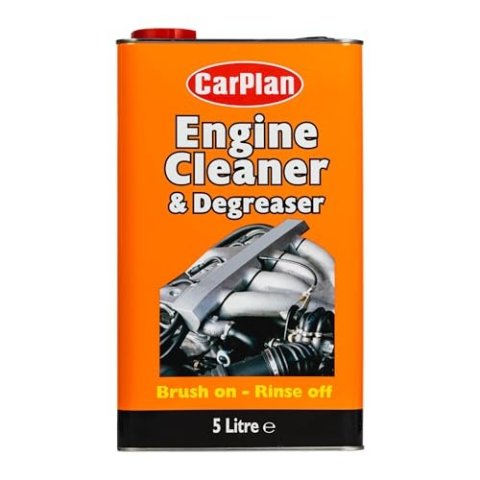 CarPlan Engine Cleaner and Degreaser 5L
£24.79
In stock
Save 5%
CarPlan Engine Cleaner and Degreaser 5L
£24.79
In stock
Save 5%  CarPlan Engine Cleaner and Degreaser Trigger, 500 g (Pack of 2)
£15.20
CarPlan Engine Cleaner and Degreaser Trigger, 500 g (Pack of 2)
£15.20 CARSHARK Heavy Duty Engine Degreaser Concentrate, 1 Litre
£8.99
In stock
CARSHARK Heavy Duty Engine Degreaser Concentrate, 1 Litre
£8.99
In stock
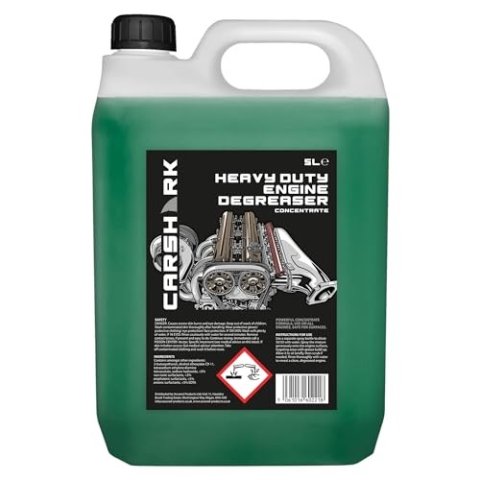 CARSHARK Heavy Duty Engine Degreaser Concentrate, 5 Litre
£15.99
In stock
CARSHARK Heavy Duty Engine Degreaser Concentrate, 5 Litre
£15.99
In stock
 CARSHARK Heavy Duty Engine Degreaser Concentrate, 5 Litre + 1 Litre
£18.99
In stock
CARSHARK Heavy Duty Engine Degreaser Concentrate, 5 Litre + 1 Litre
£18.99
In stock
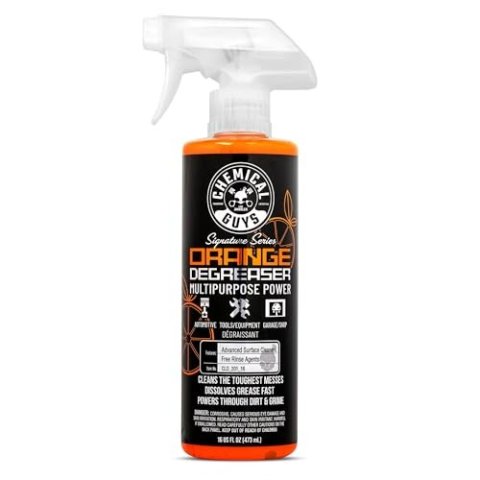 Chemical Guys Signature Series Orange Degreaser 16 oz Heavy Duty All Purpose Cleaner
£18.99
In stock
Chemical Guys Signature Series Orange Degreaser 16 oz Heavy Duty All Purpose Cleaner
£18.99
In stock
 Chemical Superstore 100:1 Caustic Motowash Engine Degreaser 25L
£37.12
In stock
Chemical Superstore 100:1 Caustic Motowash Engine Degreaser 25L
£37.12
In stock
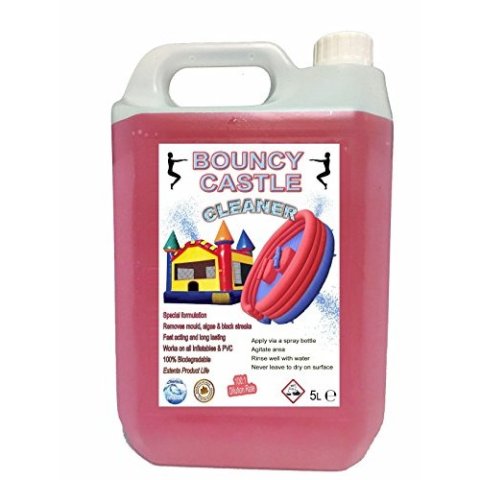 Chemical Superstore 5 Litre Heavy Duty Bouncy Castle and Inflatable Cleaner Degreaser
£22.29
In stock
Chemical Superstore 5 Litre Heavy Duty Bouncy Castle and Inflatable Cleaner Degreaser
£22.29
In stock
Compare car and motorbike degreasers for engine bay areas, removed parts, tools, workshop equipment, and general maintenance cleaning.
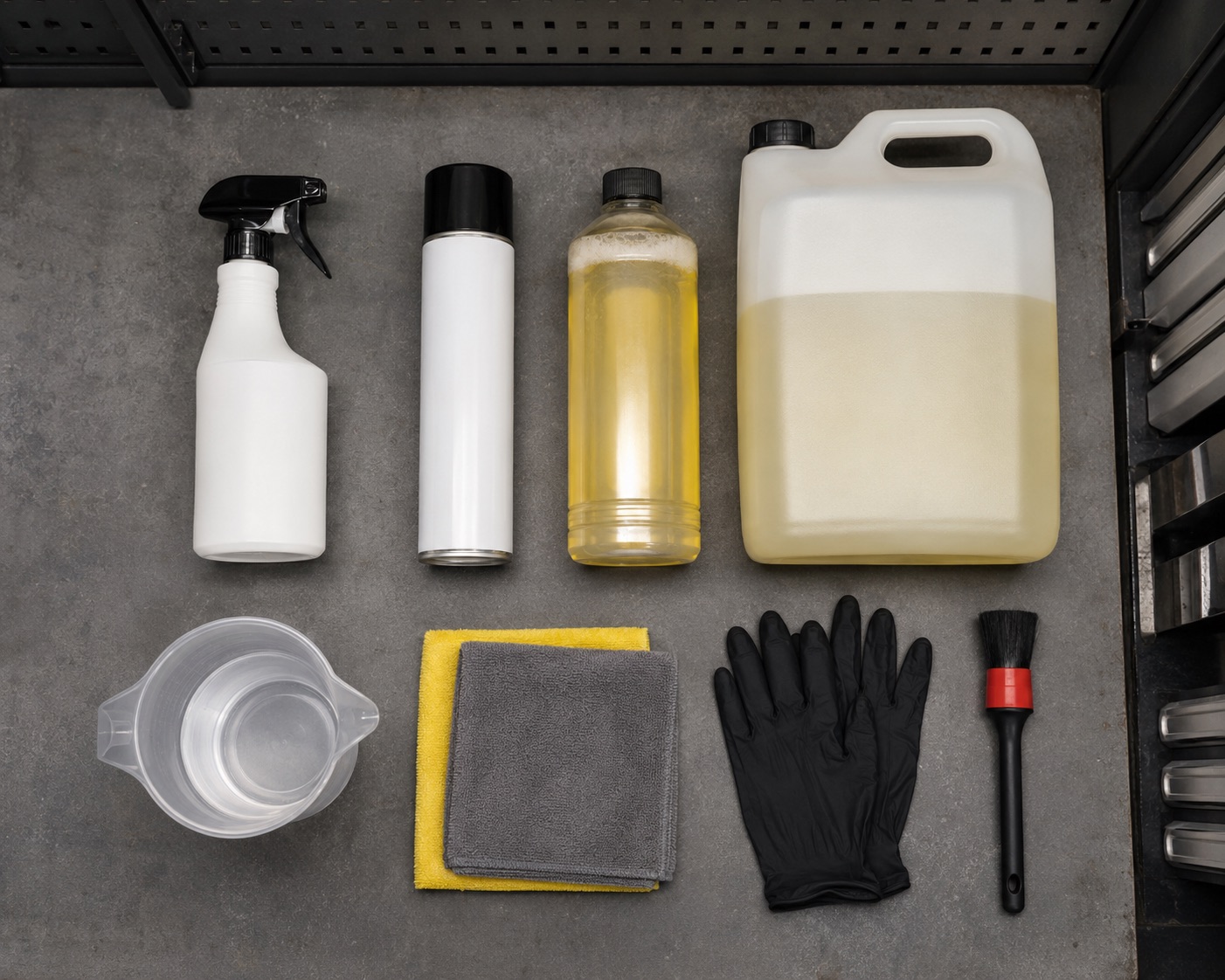
Degreasers cover products designed to lift oil, grease, road grime, workshop residue, and dirt from compatible vehicle and garage surfaces. They can be useful for car care, motorbike maintenance, tools, parts, and general workshop cleaning.
Start with where the product will be used. Engine bay plastics, painted metal, rubber hoses, aluminium parts, hand tools, and removed components may need different formula strength, application control, dwell time, rinsing, or wiping.
Use engine degreasers when the product needs to work around engine bay grime, oily residue, brackets, covers, and compatible under-bonnet surfaces.
Use degreaser sprays when controlled application matters, such as smaller areas, brackets, hand tools, hinges, or targeted workshop cleaning.
Compare heavy duty degreasers when the product listing points to thicker oil, workshop grime, old residue, or more demanding cleaning tasks.
Look at 5L degreasers for repeated use, several vehicles, workshop stock, or jobs where a small bottle may not give enough volume.
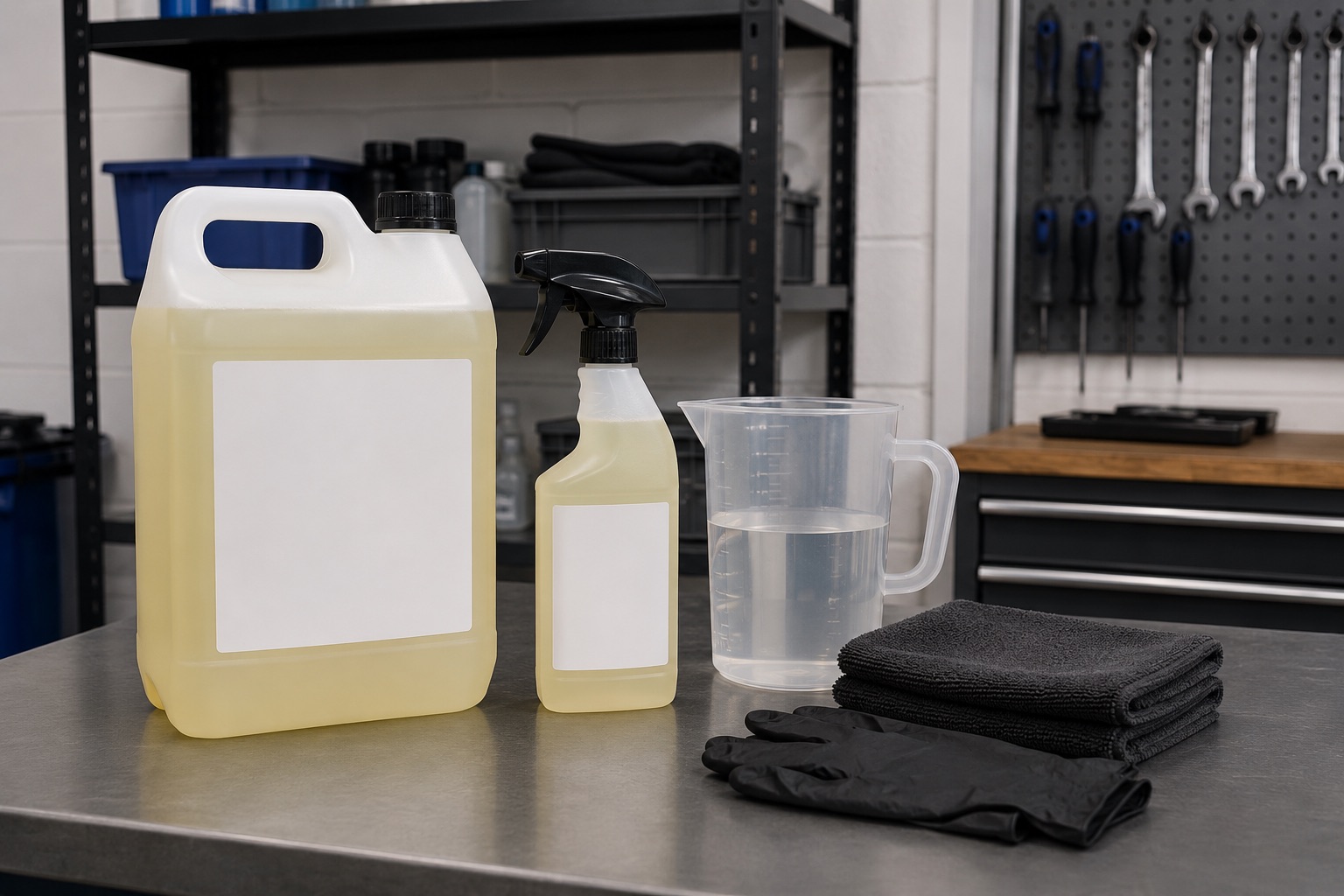
Choose concentrated degreasers when the listing gives dilution guidance and you want to match cleaner strength to different surfaces or soil levels.
For benches, tools, trays, and removed parts, check whether the product is intended for general workshop use rather than only vehicle bodywork or engine bay cleaning.
Painted metal, bare aluminium, plastic covers, rubber hoses, seals, decals, tools, and coated parts do not react the same way. Check the product label for material limits.
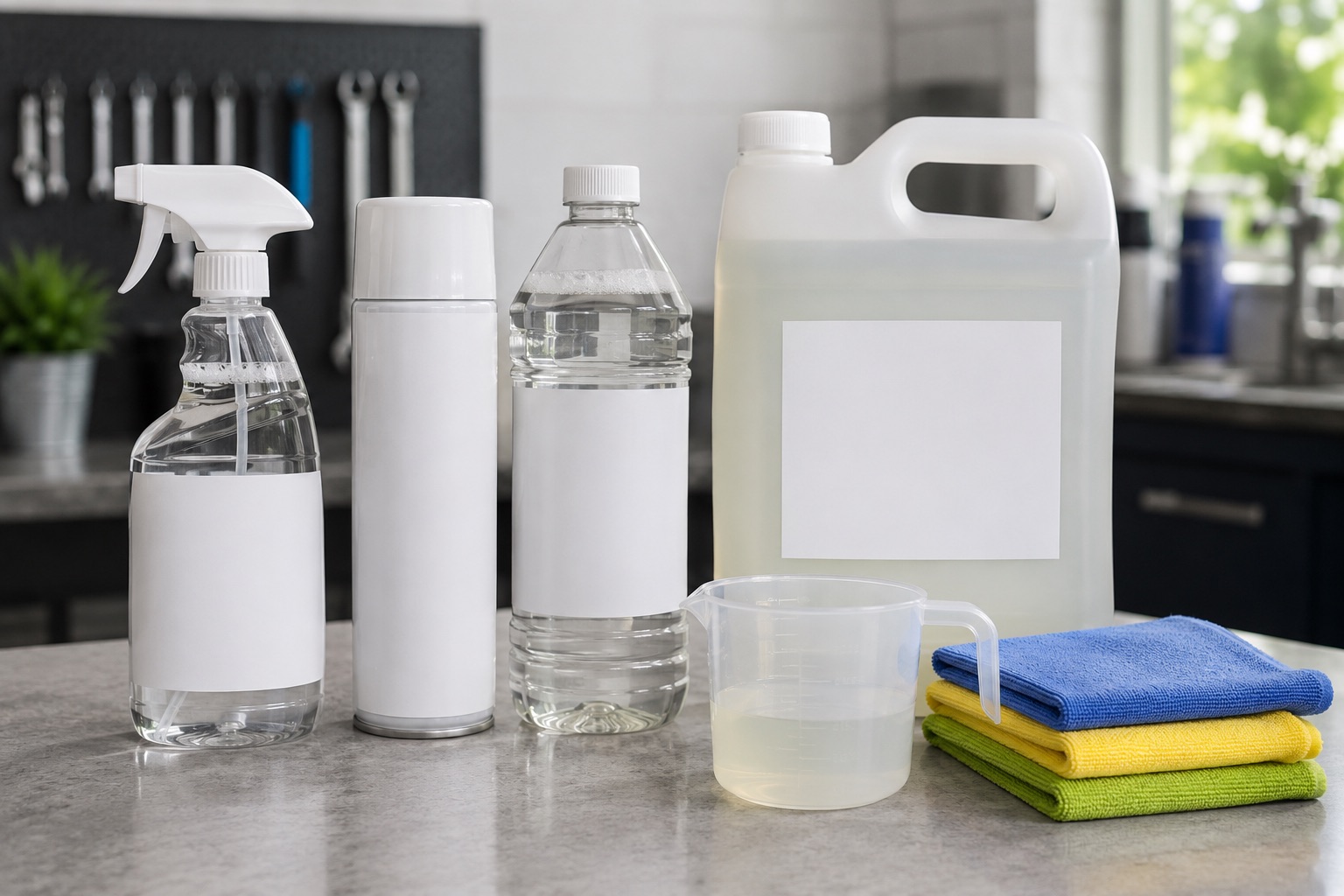
Aerosols, trigger sprays, pourable liquids, wipes, concentrates, and large containers suit different jobs. Format affects control, coverage, storage, and clean-up.
A stronger product is not automatically the right choice. Compare ready-to-use formulas with concentrates, and follow the dilution guidance supplied by the product.
Some degreasers are designed to be rinsed, some wiped away, and some may leave residue if used outside their intended surface or method.
Small bottles suit occasional jobs. Larger containers can make sense for repeat cleaning, but storage, shelf guidance, and safe handling still matter.
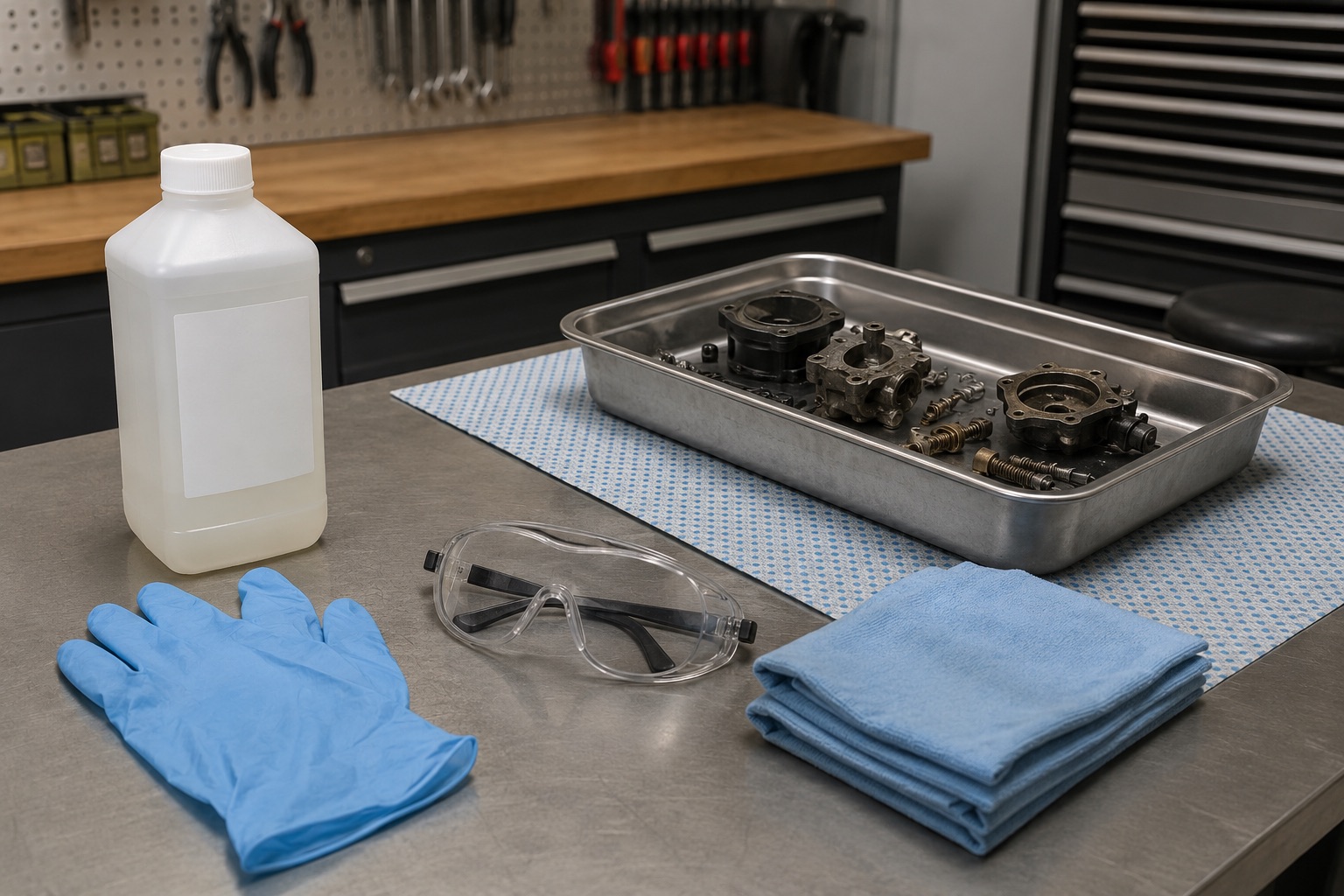
Many degreasers need sensible handling. Check the label for gloves, eye protection, ventilation, flammability warnings, and disposal guidance before use.
| Cleaning task | Product type to compare | Check before buying |
|---|---|---|
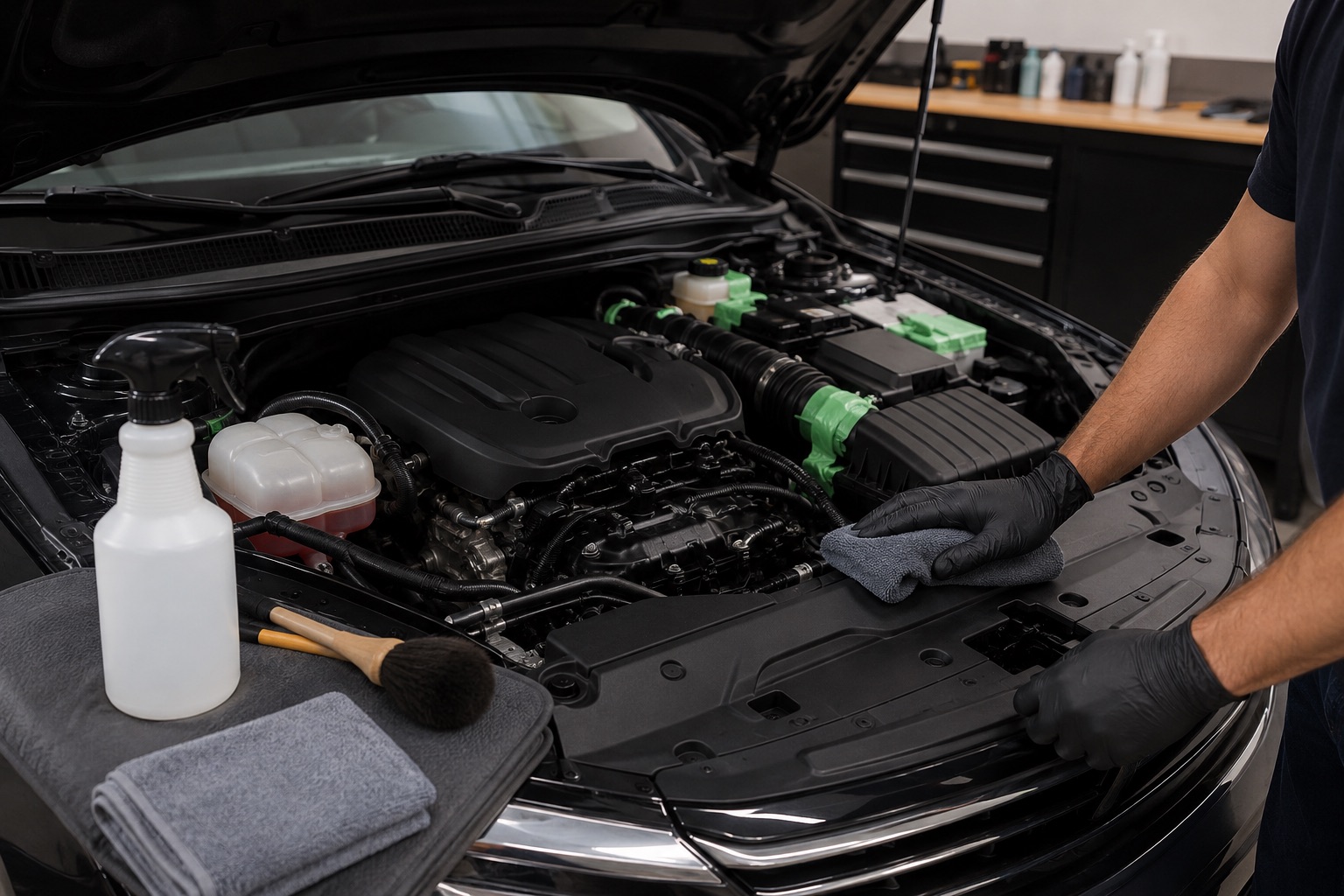
| Oil, grease, and road grime around engine bay areas | Engine degreaser, trigger spray, aerosol, or compatible liquid cleaner. | Surface compatibility, overspray control, electrical-area warnings, dwell time, rinse or wipe guidance, and whether the engine should be cool. |
| Small parts, tools, hinges, brackets, or targeted cleaning | Degreaser spray, aerosol cleaner, or controlled applicator bottle. | Spray pattern, residue, drying behaviour, ventilation, flammability warnings, and whether nearby surfaces need protection. |
| Built-up workshop grime or heavier oily residue | Heavy duty degreaser, stronger liquid cleaner, or specialist parts cleaner. | Material limits, dilution, contact time, PPE guidance, disposal notes, and whether the product is too strong for delicate surfaces. |
| Repeat cleaning across several vehicles or workshop jobs | 5L degreaser, refill container, or larger workshop pack. | Storage space, shelf guidance, refill method, sprayer compatibility, price per litre, and how often the product will be used. |
| Variable cleaning strength for different soil levels | Concentrated degreaser with clear dilution instructions. | Dilution ratios, measuring method, suitable surfaces, whether a separate spray bottle is needed, and label guidance for stronger mixes. |
| General garage, bench, tray, and tool cleaning | General-purpose degreaser, workshop cleaner, or parts cleaner listed for that surface. | Surface finish, residue, odour, ventilation, wipe or rinse method, runoff control, and whether the cleaner is meant for vehicle bodywork. |
A 500ml trigger spray can be convenient for a quick targeted job. A 5L container may be more practical for repeated workshop cleaning or several vehicles. A concentrate is useful only when the product gives clear dilution guidance and suits the surfaces you plan to clean.
Compare the product format with how you will apply it. If you already use a pressure sprayer, refill bottle, brush, or parts tray, check whether the degreaser is compatible with that method before choosing by pack size.
Decide whether you are cleaning an engine bay area, removed part, tool, tray, bench, wheel-area component, or general workshop surface.
Light road film, fresh oil, old grease, and workshop residue can need different cleaner strength, dwell time, and clean-up method.
Compare spray, aerosol, ready-to-use liquid, concentrate, or large container based on control, coverage, storage, and repeat use.
Look for guidance on paint, plastics, rubber, aluminium, coated surfaces, sensors, belts, tyres, brakes, ventilation, and protective equipment.
Use the retailer listing and product label to confirm size, formula, dilution, surface compatibility, safety guidance, and clean-up requirements.
Degreasers can help with oil, grease, and workshop grime, but formula strength and surface compatibility matter. Before buying, check whether the product is intended for engine bay cleaning, tools, removed parts, workshop surfaces, or general vehicle cleaning, then follow the retailer listing and product label.
Brand
Size
Format
Strength
Formula
Use Case
Vehicle Type
Product Type