
Dilution flexibility
Concentrates can suit different cleaning strengths, but the usable range depends on the product. Compare the label guidance rather than assuming every concentrate can be mixed in the same way.
 Brake CareShop the complete range
 Cleaning KitsShop the complete range
 Fillers, Adhesives & SealantsShop the complete range
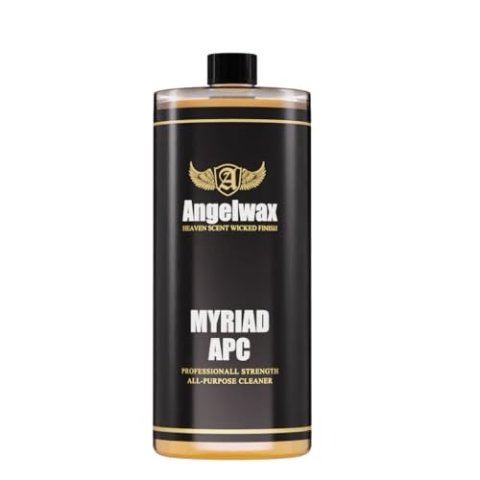 Angelwax Myriad APC 1L Concentrated All Purpose Cleaner & Degreaser
£21.55
In stock
Angelwax Myriad APC 1L Concentrated All Purpose Cleaner & Degreaser
£21.55
In stock
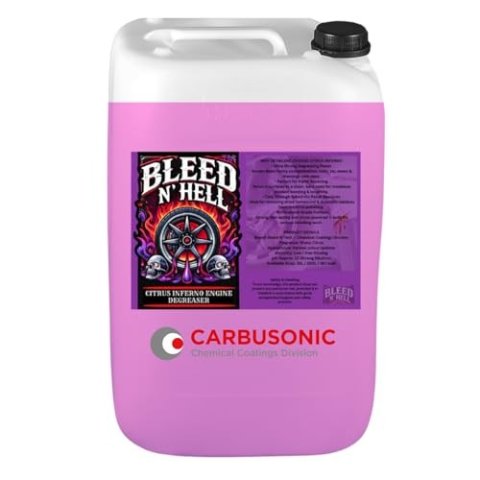 Carbusonic Bleed N’ Hell Citrus Inferno 20L Parts Washer Degreaser Concentrate
£69.99
In stock
Carbusonic Bleed N’ Hell Citrus Inferno 20L Parts Washer Degreaser Concentrate
£69.99
In stock
 CARSHARK Heavy Duty Engine Degreaser Concentrate, 1 Litre
£8.99
In stock
CARSHARK Heavy Duty Engine Degreaser Concentrate, 1 Litre
£8.99
In stock
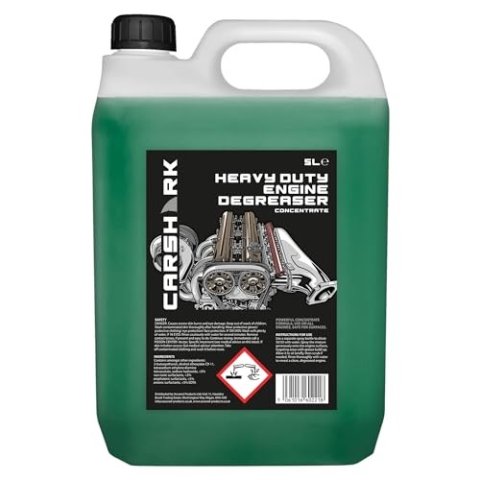 CARSHARK Heavy Duty Engine Degreaser Concentrate, 5 Litre
£15.99
In stock
CARSHARK Heavy Duty Engine Degreaser Concentrate, 5 Litre
£15.99
In stock
 CARSHARK Heavy Duty Engine Degreaser Concentrate, 5 Litre + 1 Litre
£18.99
In stock
CARSHARK Heavy Duty Engine Degreaser Concentrate, 5 Litre + 1 Litre
£18.99
In stock
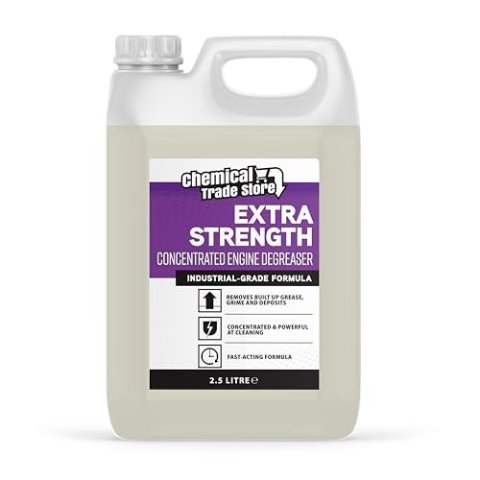 Chemical Trade Store Concentrated Engine Degreaser & Parts Washer Fluid, 2.5 L (Pack of 1)
£9.55
In stock
Chemical Trade Store Concentrated Engine Degreaser & Parts Washer Fluid, 2.5 L (Pack of 1)
£9.55
In stock
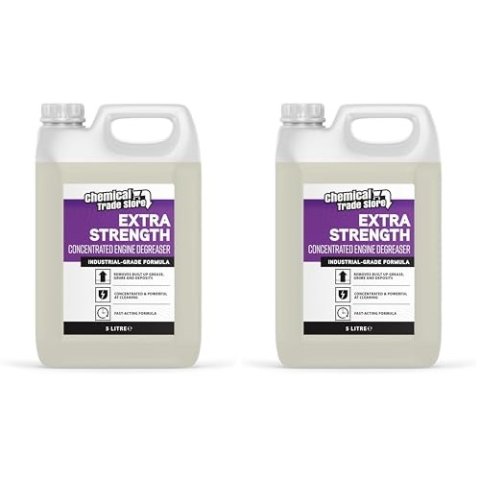 Chemical Trade Store Concentrated Engine Degreaser & Parts Washer Fluid, 5L, Pack of 2
£30.98
In stock
Chemical Trade Store Concentrated Engine Degreaser & Parts Washer Fluid, 5L, Pack of 2
£30.98
In stock
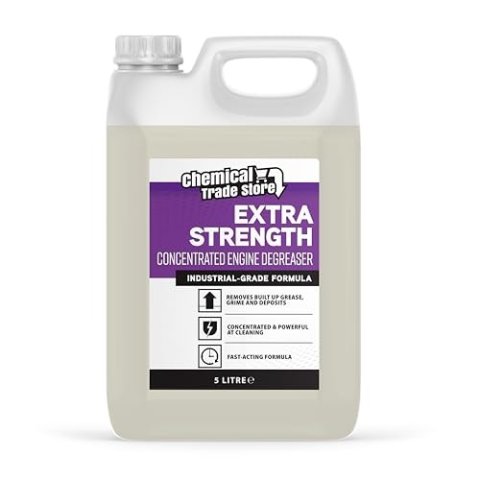 Chemical Trade Store Concentrated Engine Degreaser and Parts Washer Fluid, 5 L
£15.49
In stock
Chemical Trade Store Concentrated Engine Degreaser and Parts Washer Fluid, 5 L
£15.49
In stock
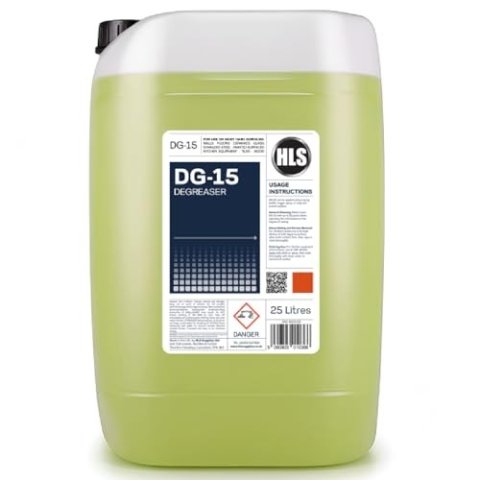 HLS Supplies DG-15 25L Heavy Duty Degreaser Cleaner
£39.59
In stock
HLS Supplies DG-15 25L Heavy Duty Degreaser Cleaner
£39.59
In stock
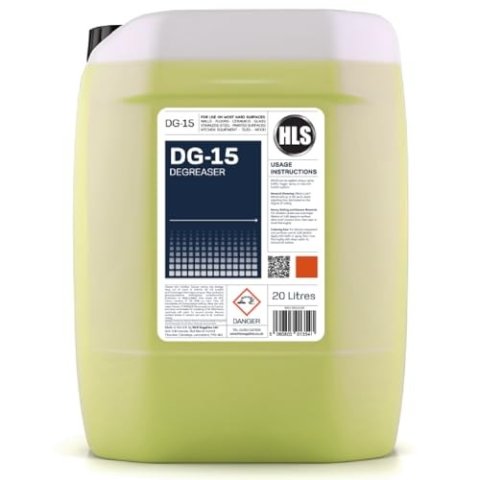 HLS Supplies DG-15 Heavy Duty Degreaser Cleaner 20L
£34.09
In stock
HLS Supplies DG-15 Heavy Duty Degreaser Cleaner 20L
£34.09
In stock
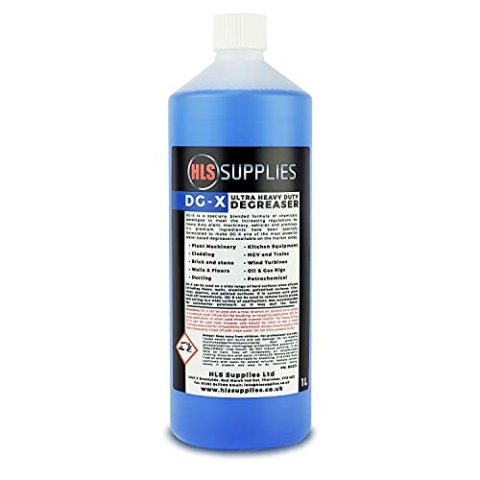 HLS Supplies DG-X Ultra Heavy Duty Degreaser and Cleaner 1L
£16.49
In stock
Save 4%
HLS Supplies DG-X Ultra Heavy Duty Degreaser and Cleaner 1L
£16.49
In stock
Save 4% 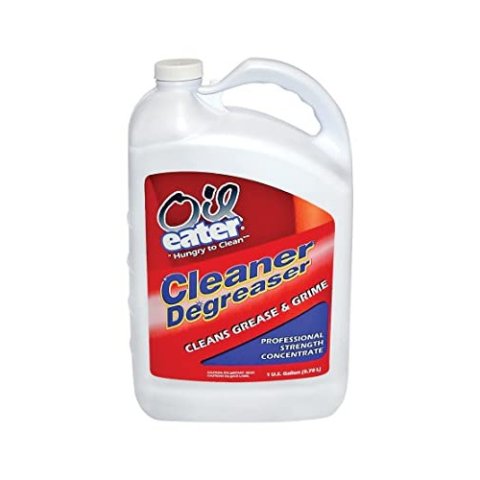 Oil Eater Original 1 Gallon Cleaner and Degreaser
£28.90
Oil Eater Original 1 Gallon Cleaner and Degreaser
£28.90 Orca Hygiene G9 Universal Degreaser Cleaner, 5 L Bottle
£23.07
In stock
Orca Hygiene G9 Universal Degreaser Cleaner, 5 L Bottle
£23.07
In stock
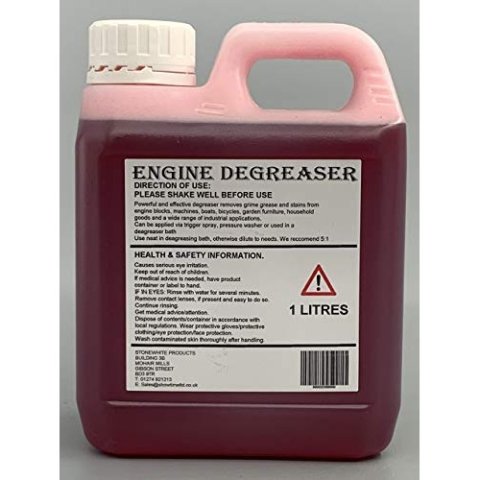 Showtime Chemicals Concentrate Engine Degreaser and Parts Washer Fluid, 1 Litre
£6.95
In stock
Showtime Chemicals Concentrate Engine Degreaser and Parts Washer Fluid, 1 Litre
£6.95
In stock
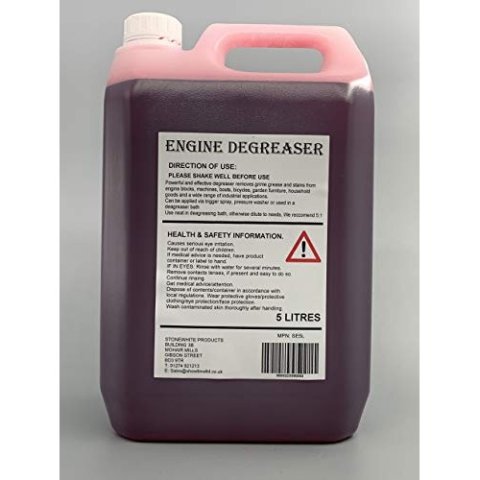 Showtime Chemicals Concentrate Engine Degreaser and Parts Washer Fluid, 5 Litres
£10.97
In stock
Showtime Chemicals Concentrate Engine Degreaser and Parts Washer Fluid, 5 Litres
£10.97
In stock
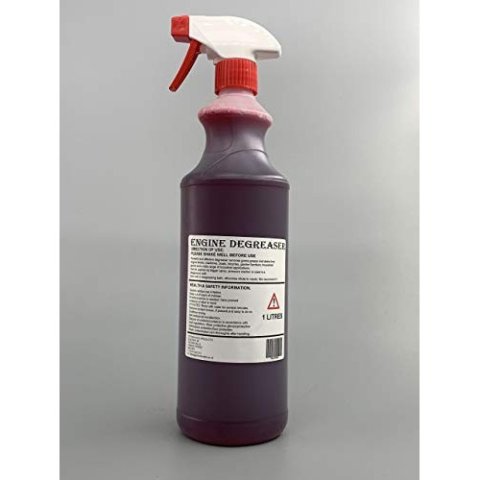 Showtime Chemicals Concentrate Engine Degreaser, 1 Litre Trigger
£6.85
In stock
Showtime Chemicals Concentrate Engine Degreaser, 1 Litre Trigger
£6.85
In stock
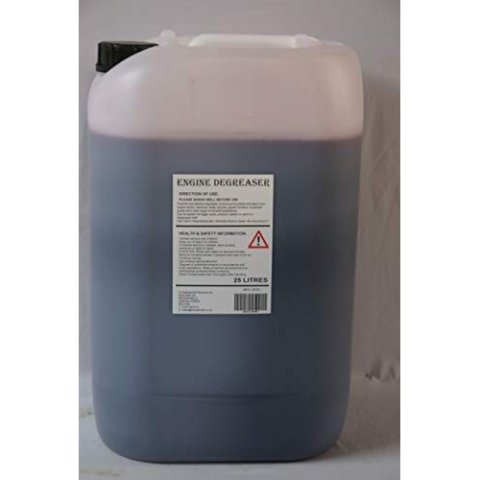 Showtime Chemicals Concentrate Engine Degreaser, 25 Litres
£37.50
In stock
Showtime Chemicals Concentrate Engine Degreaser, 25 Litres
£37.50
In stock
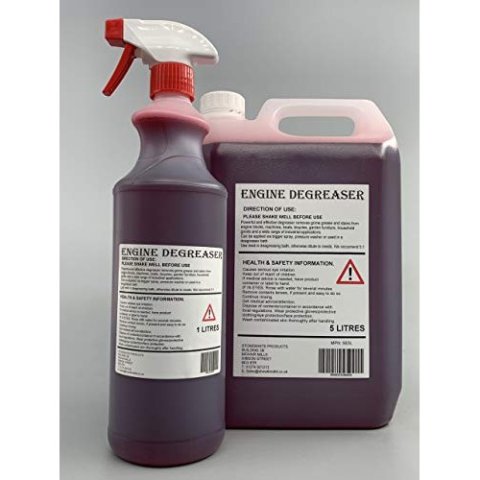 Showtime Chemicals Concentrate Engine Degreaser, Parts Washer Fluid, 6 Litres
£16.75
In stock
Showtime Chemicals Concentrate Engine Degreaser, Parts Washer Fluid, 6 Litres
£16.75
In stock
Concentrated degreasers are cleaning products supplied for dilution before use, often for engine bays, removed components, parts washer work, tools, and workshop surfaces. This collection is useful when you want to compare cleaning strength, container size, and dilution flexibility before choosing a degreaser.
Do not choose a concentrate by bottle size alone. Check the product label for suitable surfaces, dilution range, application method, rinsing or wiping guidance, and whether the formula matches the level of oil, grease, or workshop grime you need to remove.
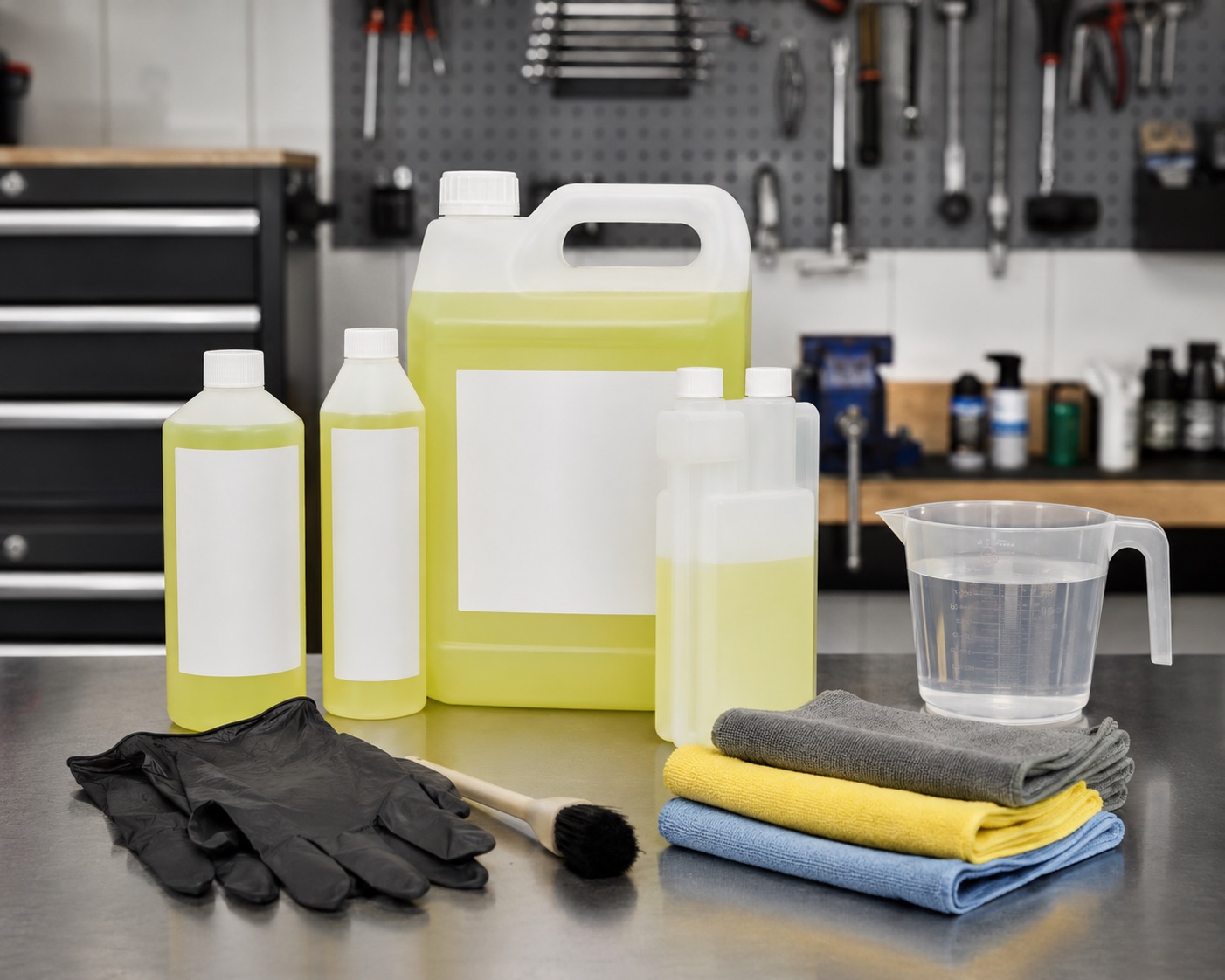
Concentrates can suit different cleaning strengths, but the usable range depends on the product. Compare the label guidance rather than assuming every concentrate can be mixed in the same way.
A larger bottle may make sense for repeated jobs, parts washer use, or workshop stock. Compare pack size with the labelled dilution range, intended use, and how often you expect to clean.
Engine bays and workshops can include aluminium, painted metal, rubber, plastics, seals, decals, and electrical areas. Check the label before using a strong cleaner near sensitive materials.
Some concentrates are intended for manual cleaning, some for sprayers or pressure washer setups, and some for removed parts. Match the product to the equipment and cleanup method you plan to use.
Compare concentrates with ready-to-use degreasers when convenience matters. A pre-mixed product can be simpler for small jobs, while a concentrate suits repeated cleaning when the label gives clear mixing guidance.
Concentrates need more planning than a spray bottle. Check cap closure, shelf guidance, measuring container, compatible dilution bottle, PPE notes, and where the mixed cleaner will be stored.
Look for clear manufacturer guidance before buying. This page should help you compare options, not replace the dilution instructions printed on the product.
Light maintenance cleaning, oily engine parts, and heavy workshop grime can need different cleaning strength. Stronger is not automatically the right choice for every surface.
Strong cleaners can carry limits around paint, polished metal, plastics, rubber, decals, coatings, or electrical areas. Treat compatibility notes as a buying filter.
For value checks, compare container size, likely repeat use, and the labelled dilution range. A smaller concentrate may still cover enough work if the product matches the task.
If you plan to use a sprayer, pressure washer bottle, or parts washer, confirm the cleaner is suitable for that equipment and any seals, nozzles, or tanks involved.
Before buying, check storage, ventilation, PPE, rinsing, residue, and disposal notes. Avoid products where the label does not match your workspace or cleanup method.
| Shopping situation | What to compare | Check before buying |
|---|---|---|
| Regular engine bay and parts cleaning | Dilutable degreaser with clear surface and rinse guidance. | Suitable materials, labelled dilution range, application method, and whether sensitive plastics, rubber, or painted areas need extra care. |
| Workshop or repeated cleaning | Larger concentrate packs, refill options, and products intended for repeat use. | Pack size, storage guidance, PPE notes, residue handling, equipment compatibility, and whether the formula suits the surfaces cleaned most often. |
| Parts washer or removed components | Concentrates that mention parts cleaning, workshop parts, or compatible washer setups. | Tank compatibility, metal and seal guidance, disposal instructions, and whether the product is intended for soaking, brushing, wiping, or rinsing. |
| High-strength grime removal | Cleaning strength, formula type, and surface warnings before price. | Caustic or solvent warnings, sensitive material limits, ventilation requirements, and whether a less aggressive option should be considered first. |
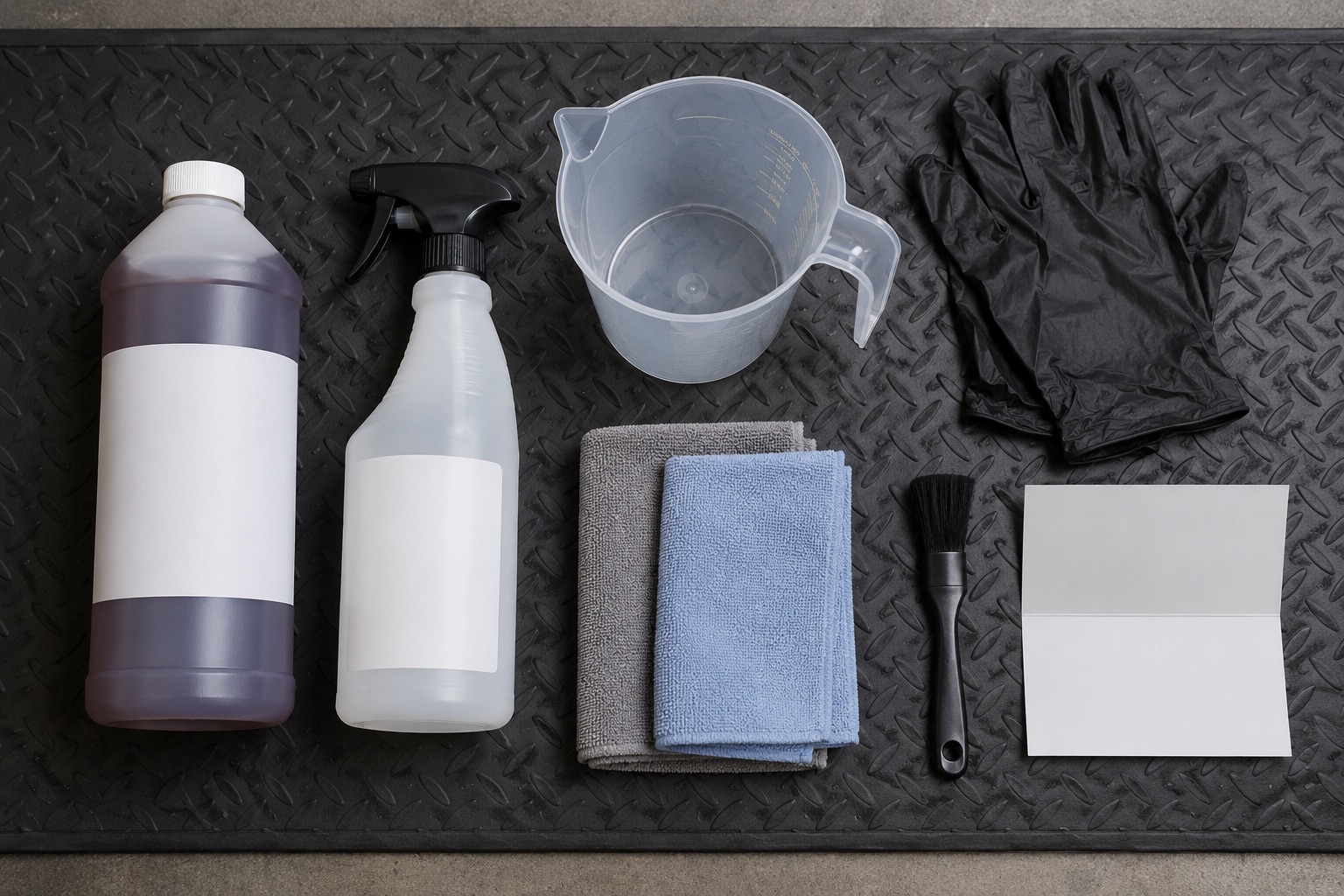
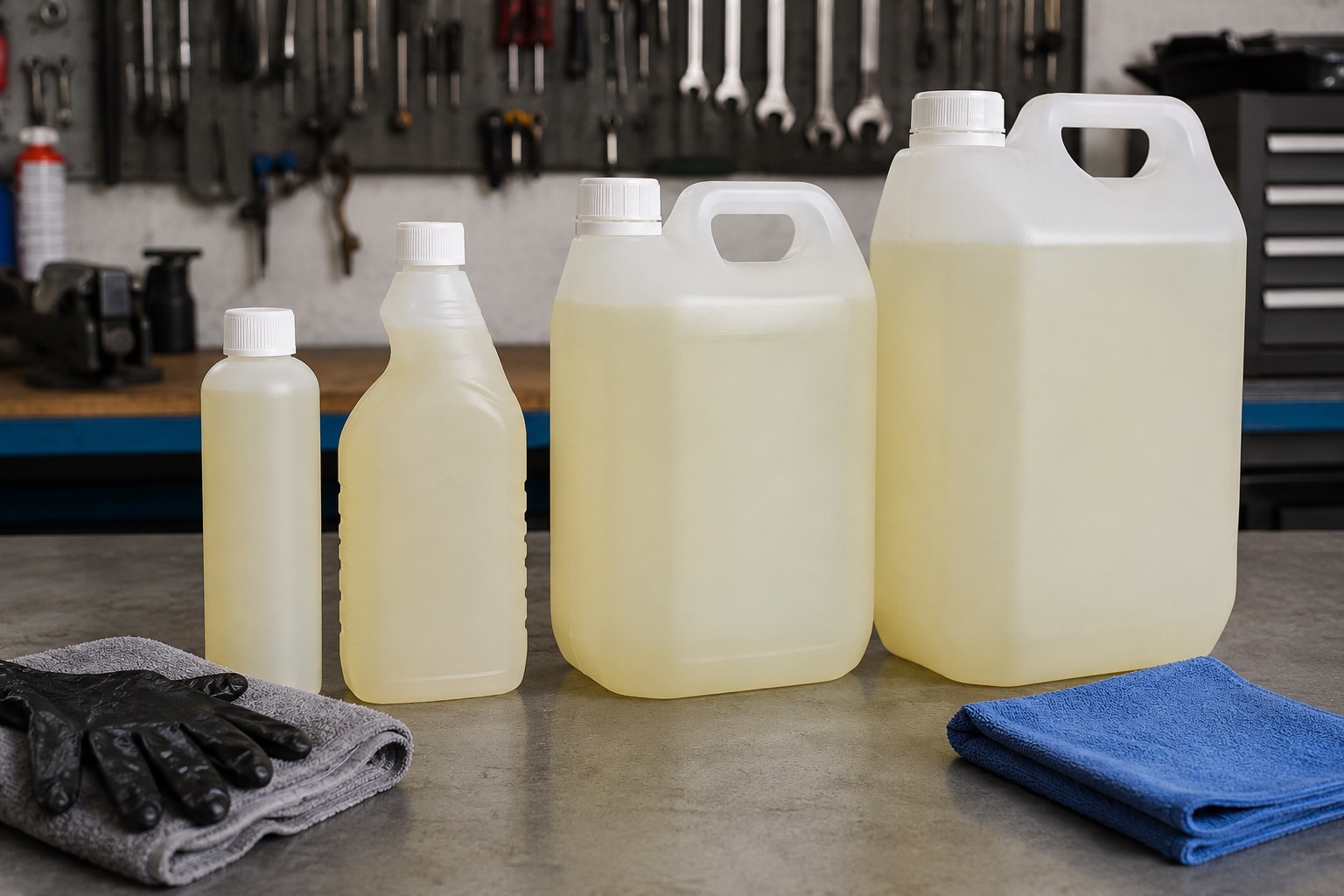
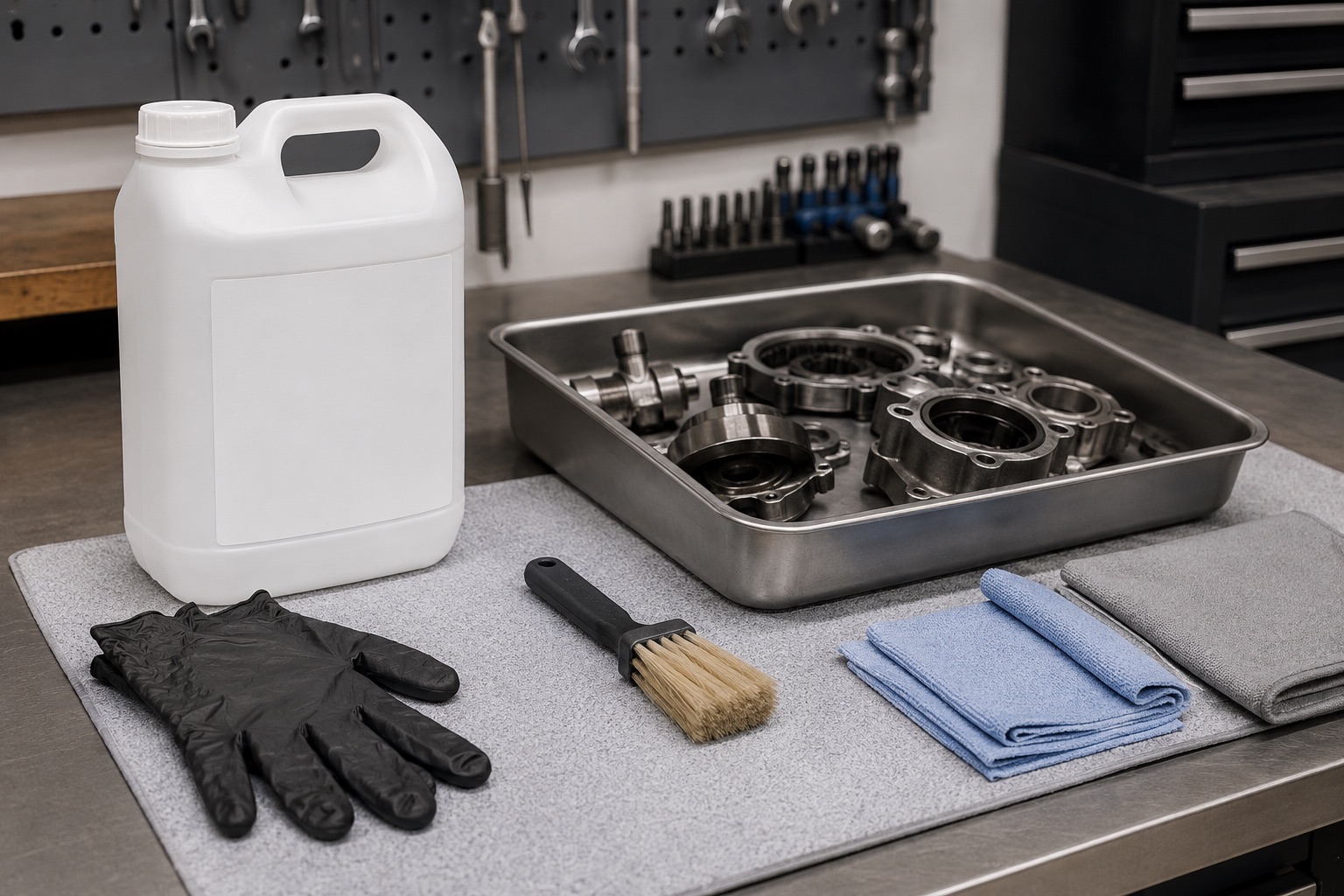
Choose a concentrate when dilution flexibility, repeated use, or larger pack economics matter. If you need a ready-to-use product for a small area, a trigger spray or aerosol degreaser may be simpler to compare. If the main concern is built-up grease, check whether the product is described for heavy-duty cleaning before choosing by pack size.
For any concentrate, the final decision should come from the retailer listing, product label, and manufacturer guidance. Those sources should confirm where the product can be used, how it should be mixed, and how residue or runoff should be handled.
Brand
Size
Format
Strength
Formula
Use Case
Vehicle Type
Product Type