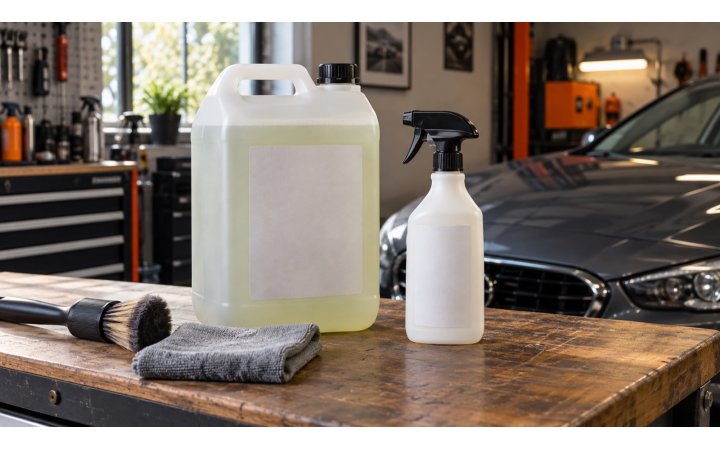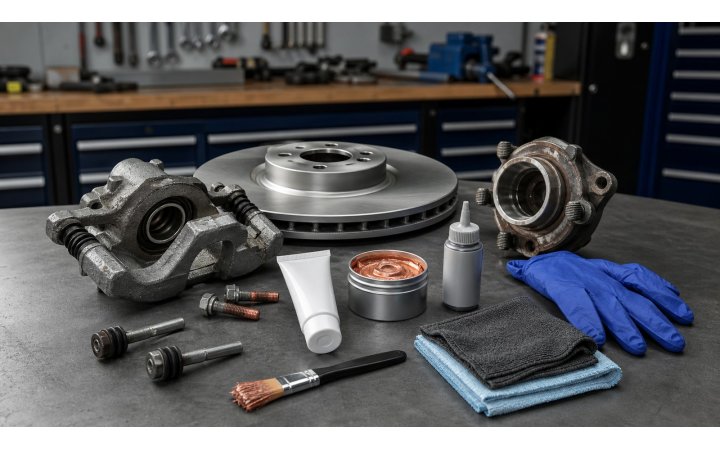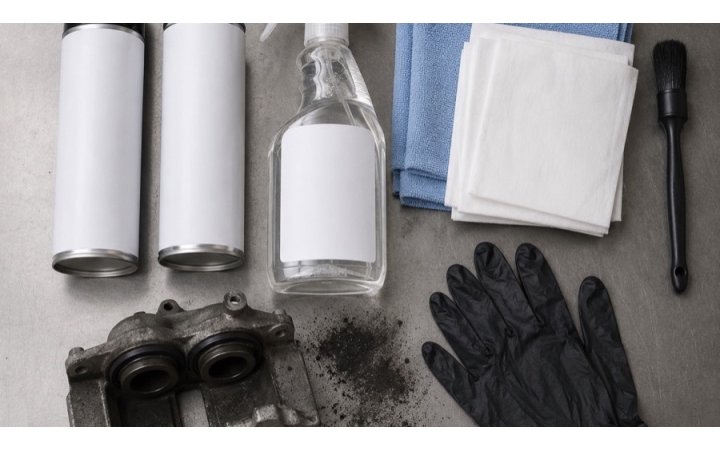


Three systems, three application routes
Identify the component before you choose the cleaner
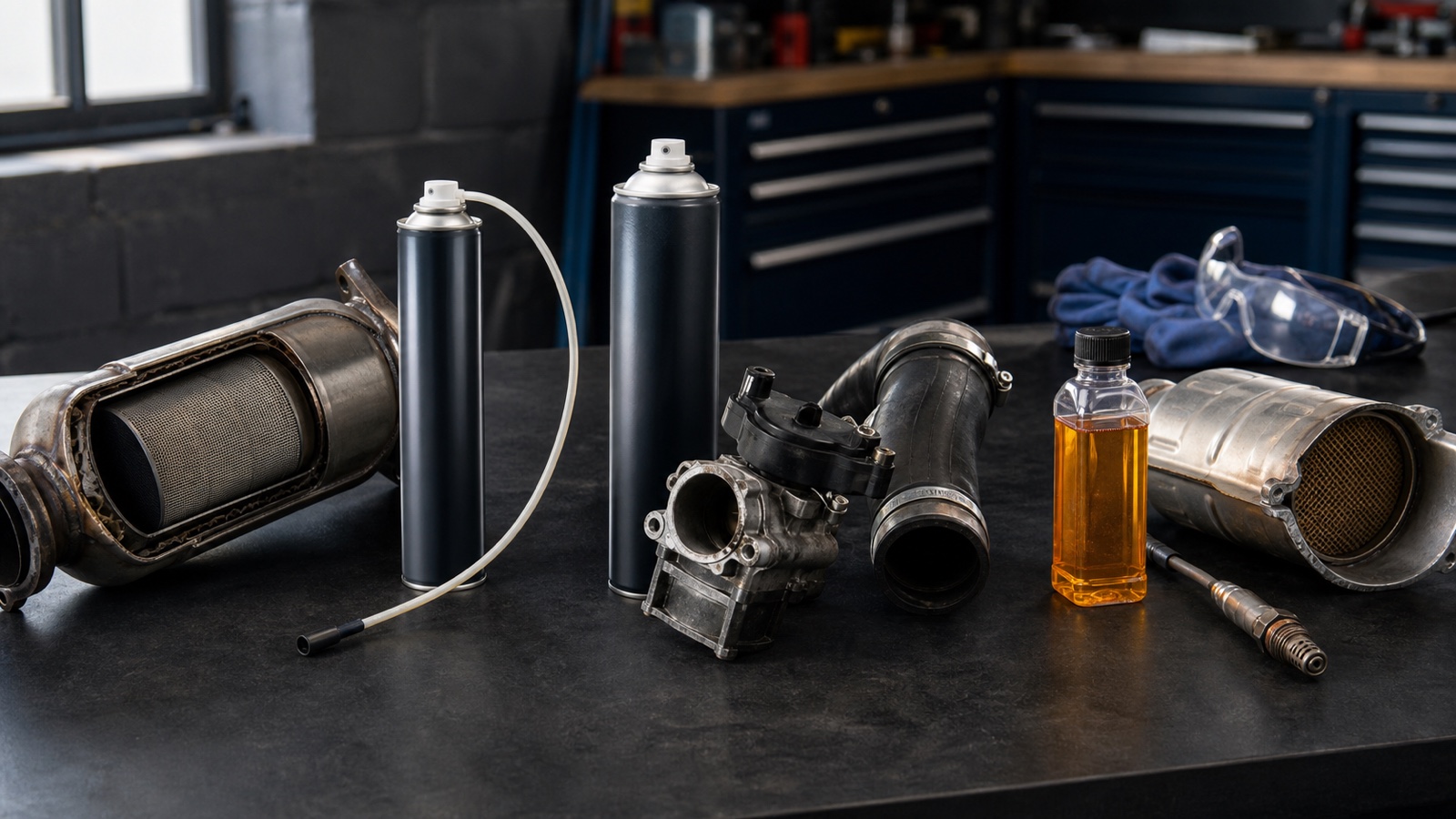
A DPF cleaner targets a diesel particulate filter, while an EGR cleaner works around the exhaust-gas recirculation and intake path. Many catalytic-converter cleaners are fuel additives, although some specialist products use an intake application. Similar claims on the can do not make the products interchangeable.
Quick answer
Choose by system and delivery route. If the fault is unknown, diagnose it before buying a cleaner.
Use a DPF product only for a compatible diesel particulate filter and follow the vehicle handbook or product procedure. Use an EGR or intake aerosol only where the label supports your engine and application point. Choose a catalytic-converter additive only for the stated fuel type. A persistent warning light, restricted performance or a fault that soon returns needs code reading and diagnosis.
A filter in a diesel exhaust that traps particulate matter and needs periodic regeneration to burn accumulated soot.
A controlled route that sends some exhaust gas back into the intake to lower combustion temperature and reduce NOx formation.
An exhaust component whose performance depends on the converter, oxygen sensors, fuelling and the condition of the engine around it.
DPF cleaner, EGR cleaner and catalytic cleaner at a glance
The name on the product is only the first check. Two cans described as emissions-system cleaners can enter the vehicle in completely different places. One may be poured into fuel, another may be applied through an intake route, and a DPF spray or foam may require access through a temperature or pressure sensor opening.
| Product family | System it targets | Common delivery route | Check before buying | Diagnose first when |
|---|---|---|---|---|
| DPF fuel additive | Diesel particulate-filter regeneration support | Poured into a compatible diesel fuel tank at the stated dose | Fuel type, tank quantity, product purpose and the vehicle handbook | The car has multiple warnings, restricted performance or repeated failed regeneration |
| DPF spray or foam | Deposits within a diesel particulate filter | Direct application through a manufacturer-approved access point | Access method, PPE, sensor handling, regeneration and diagnostic requirements | You cannot confirm the fault or safely complete the full technical procedure |
| EGR or intake aerosol | EGR valve, intake path or associated deposits named by the product | Product-specific intake application, sometimes with a running engine | Petrol or diesel compatibility, intake layout, spray point and stop conditions | The valve is mechanically stuck, fault codes persist or the engine reacts unexpectedly |
| Catalytic-converter cleaner | Fuel and combustion deposits that may affect catalyst or oxygen-sensor performance | A fuel additive in many consumer products; specialist intake application also exists | Exact fuel type, dose, tank level and product scope | There is a sensor, fuelling, misfire, oil-burning or physically damaged converter fault |
A warning light does not tell you which bottle to buy
DPF, EGR and catalyst faults can influence one another, yet that does not mean one cleaner treats every cause. A DPF warning can relate to soot loading, failed regeneration, a pressure or temperature sensor, driving pattern or an engine fault that creates too much soot. EGR symptoms can come from deposits, a sticking valve, wiring or another sensor used by the control system. Catalyst-efficiency codes can involve the converter, oxygen sensors, fuelling, misfire or contamination.
That is why fault codes and the vehicle maker's test procedure matter. A cleaner may be a reasonable maintenance step when the component, deposit and application route are known. It cannot identify the fault for you, and clearing a code without fixing its cause does not turn the system healthy.
Choose the route that matches the component
DPF route
For a diesel particulate filter, separate a pour-in regeneration-support additive from a direct-to-filter spray or foam. The second route is a technical job.
Compare DPF cleaner spraysEGR and intake route
Choose an EGR or intake product only when the current instructions support your engine and the specified application point.
Compare EGR cleaner spraysCatalytic and fuel route
Many consumer catalytic cleaners are fuel additives, while some specialist products use an intake route. Match the format and fuel claims to the exact label.
Compare catalytic-converter cleanersProducts to compare
DPF and EGR cleaner formats to compare
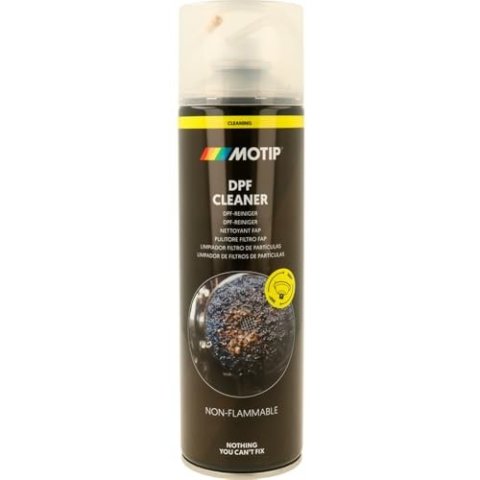
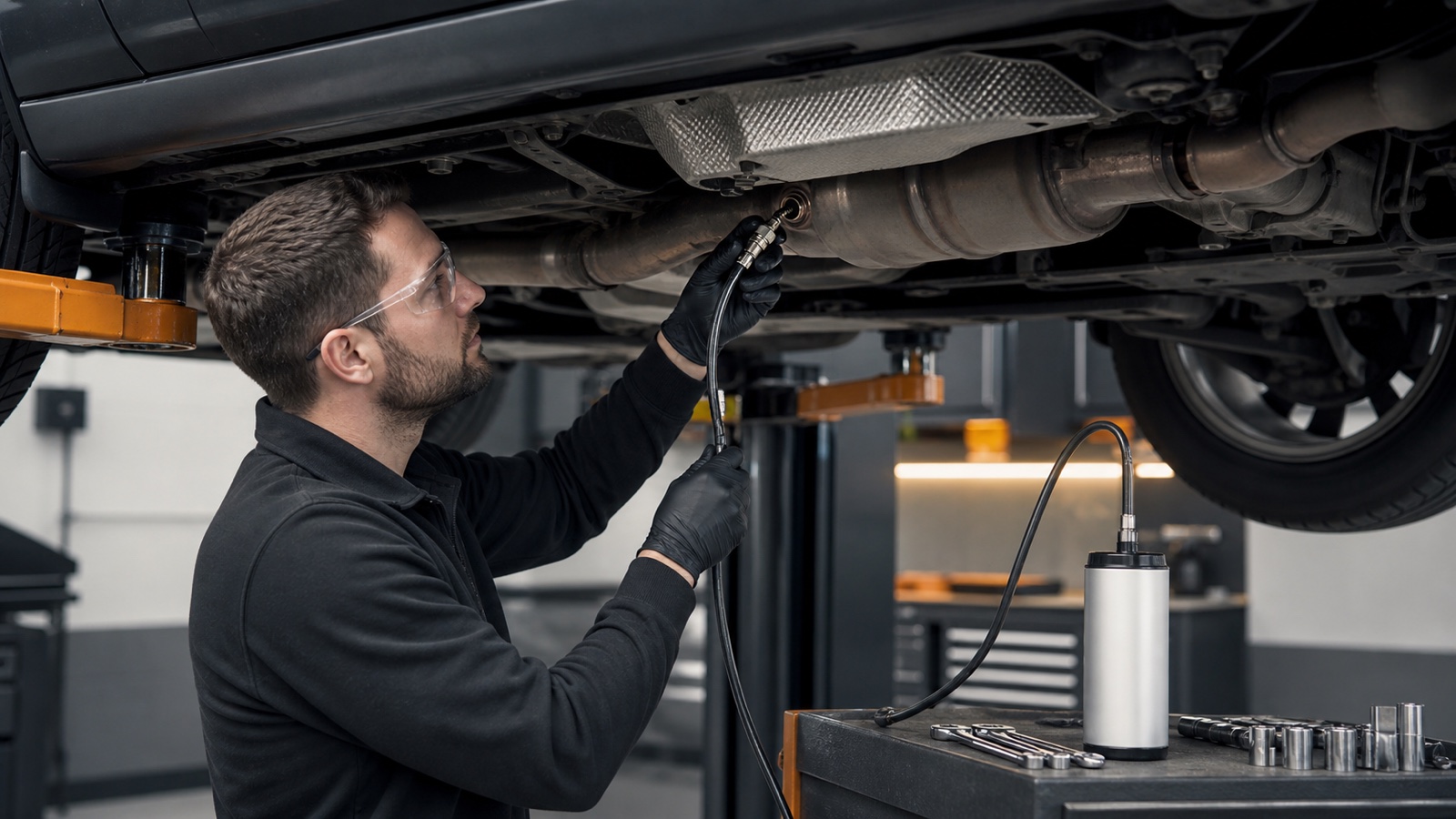
DPF spray and foam
Direct-to-filter products are closer to a workshop procedure than a quick spray
A DPF traps particulate matter in the diesel exhaust. The vehicle normally removes accumulated soot by regeneration, which raises conditions in the exhaust so the soot can burn. Regeneration does not make every restriction disappear: non-combustible residue remains, and sensor or engine faults can stop the process working properly.
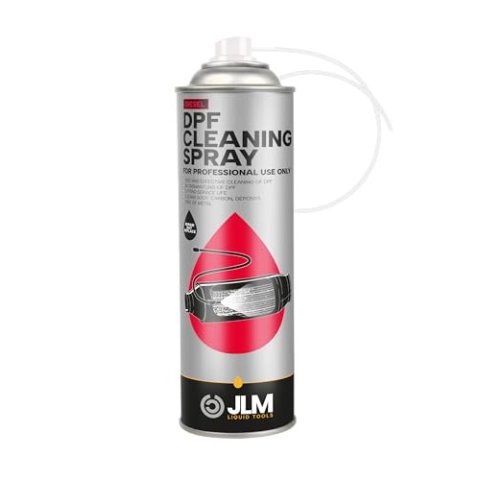
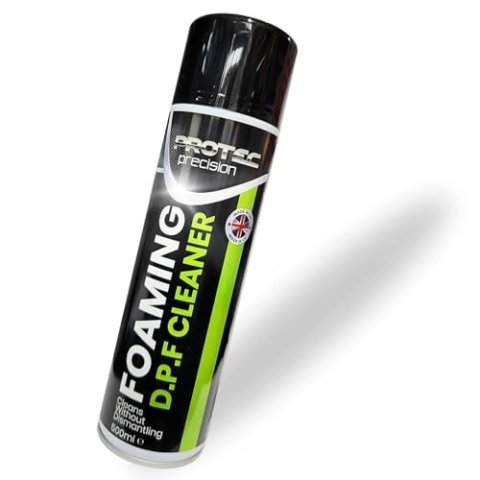
Some DPF cleaner sprays and DPF foams are applied directly through a pressure or temperature sensor port. For example, JLM's published procedure includes warming and switching off the engine, removing a sensor, applying the product, refitting the sensor, completing regeneration and checking fault codes. That requires suitable access, PPE and confidence with the full procedure.
If you were expecting to point a can at the outside of the exhaust, stop and read the instructions. A direct DPF product is useful only when its access route, vehicle compatibility and follow-up steps are understood.
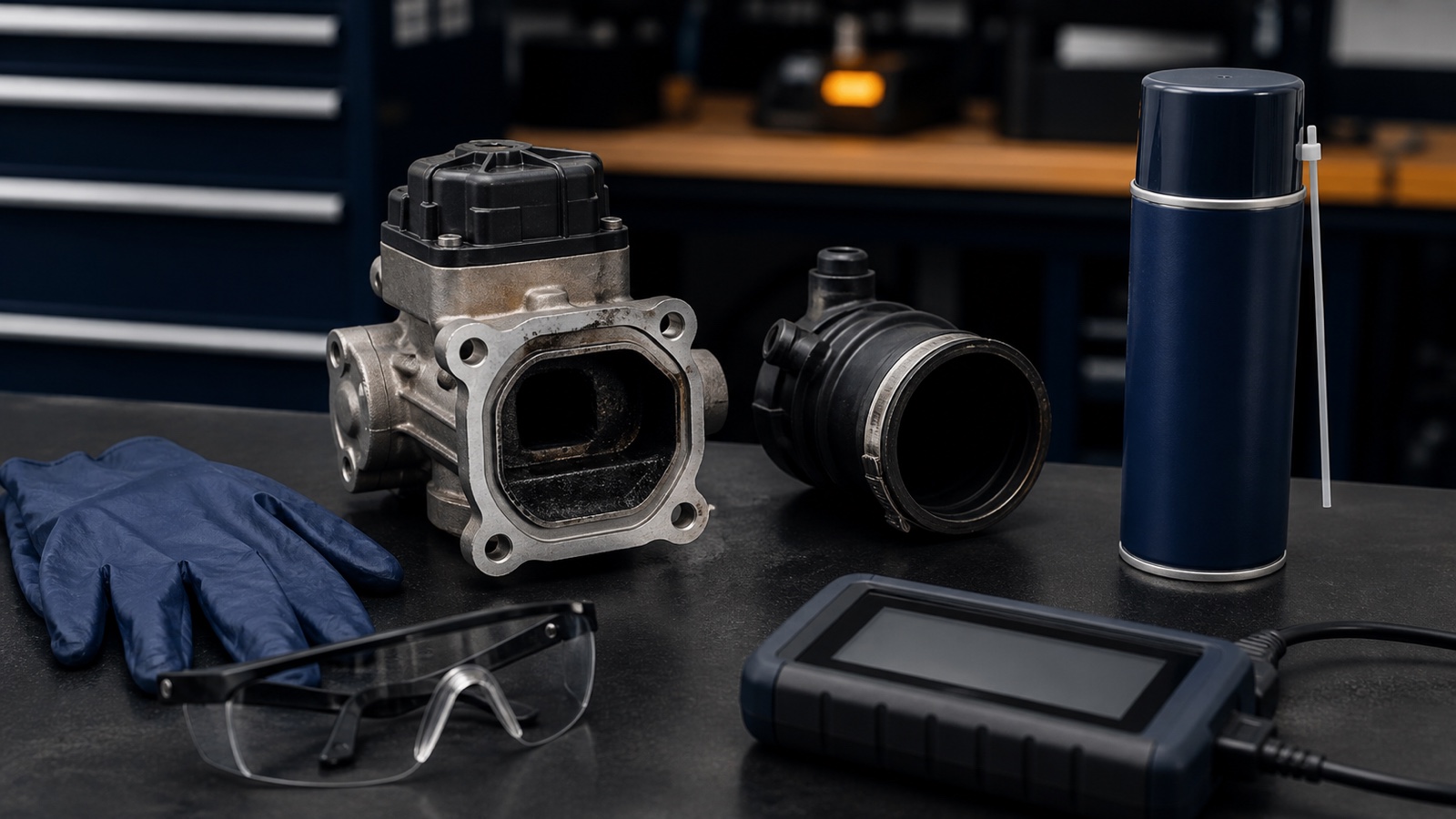
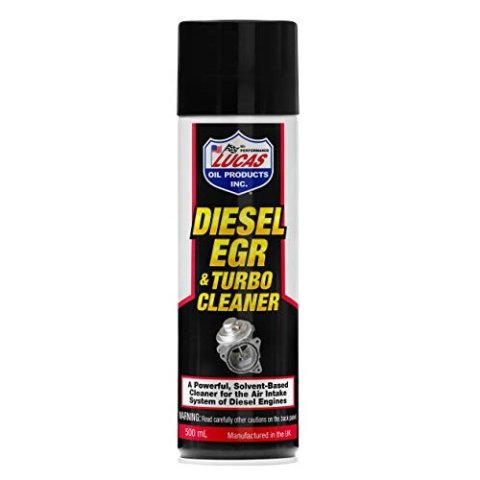
EGR and intake aerosol
EGR cleaner follows the intake route, not the DPF route
The EGR valve meters some exhaust gas back into the intake to reduce combustion temperature and NOx formation. Deposits can make a valve stick or disturb airflow, but a warning or drivability problem can also come from sensors and control faults. DENSO advises reading diagnostic trouble codes and following the vehicle maker's tests rather than assuming deposits are the only cause.
An EGR cleaner spray can have a tightly controlled intake application. Wynn's diesel EGR instructions, for example, specify a warm running engine, short spray intervals and clear stop conditions. Those details belong to that product and cannot be copied to every aerosol or engine.
If the product instructions do not clearly match the engine, or if the engine speed changes unexpectedly during a procedure, stop. A mechanically stuck or faulty EGR valve may need removal, testing or replacement rather than repeated chemical treatment.
Catalytic-converter cleaner
Catalytic cleaner may enter through the fuel tank or an approved intake route
A catalytic converter works as part of a wider emissions-control system. Oxygen sensors report exhaust conditions to the engine control unit, which adjusts the air/fuel mixture so the converter can work effectively. If the mixture is wrong, an oxygen sensor has failed, the engine is misfiring or oil is entering the exhaust, a bottle cannot correct the underlying fault.
Many catalytic-converter cleaners sold to motorists are fuel additives. Wynn's current product page, for instance, tells the user to add its cleaner to the petrol tank and gives a specific treatment volume. Specialist intake-applied products also exist and require their own equipment and access point. Check the exact format, fuel type and instructions before opening the container.
A compatible additive may be considered for deposit-related maintenance. It cannot rebuild a melted or cracked catalyst, replace a failed oxygen sensor or make a missing emissions component legal.
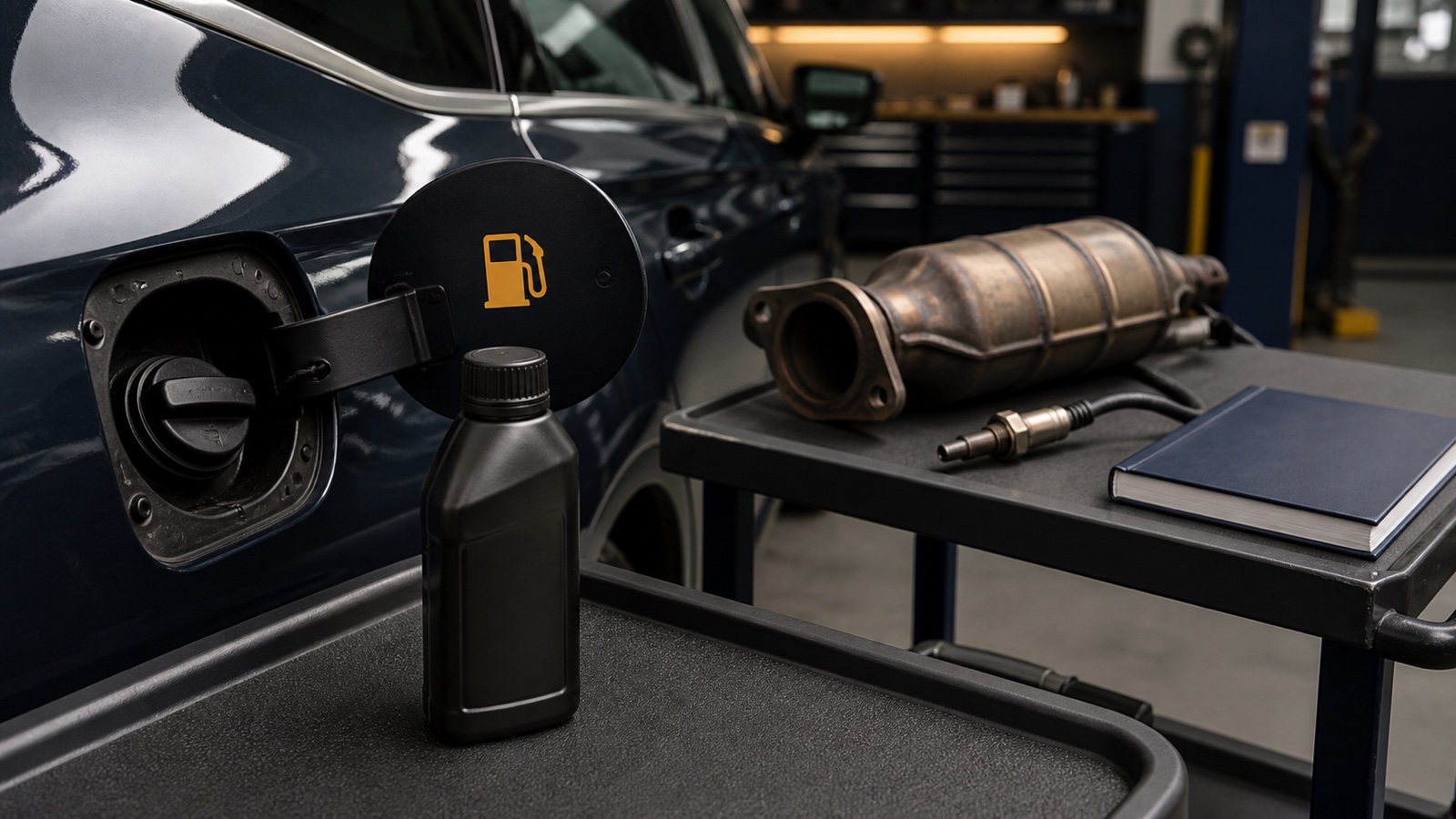
Cleaner or diagnosis?
A cleaner may help with compatible deposits. It will not repair a failed component or explain why the fault happened.
A single handbook-recognised DPF warning with no other symptoms can lead to a vehicle-specific regeneration step. A known light deposit and a clearly compatible product can make chemical cleaning a reasonable option. Move to diagnosis when warnings multiply, performance is restricted, regeneration repeatedly fails, the problem returns quickly, the exhaust rattles or smokes abnormally, or you do not know which component set the code. Exhaust fumes inside the car are a stop-driving and inspection issue.
| Format | Where it goes | What it asks from the user | Main buying risk |
|---|---|---|---|
| Fuel additive | Into the stated petrol or diesel tank quantity | Correct fuel compatibility, dosage and use interval | Buying a general additive for a mechanical, sensor or damaged-component fault |
| EGR/intake aerosol | Into a product-approved intake point | Correct engine layout, controlled technique and immediate response to stop conditions | Using a generic spray sequence on an incompatible engine or intake design |
| Direct DPF spray or foam | Through an approved sensor or service access point | Safe component access, PPE, reassembly, regeneration and code checks | Treating a technical cleaning process as a simple driveway aerosol job |
Check these six points before you buy
Component
Confirm whether the code or diagnosis concerns the DPF, EGR/intake, catalytic converter, oxygen sensor or another part of the fuel and emissions system.
Fuel and engine
Match petrol, diesel, hybrid and engine-specific restrictions exactly. A diesel DPF aerosol and a petrol catalyst additive are not substitutes.
Delivery route
Find out whether the product goes into fuel, through an intake route or directly into the DPF through a service access point.
Tools and skill
Check whether the process needs sensor removal, diagnostic equipment, regeneration, a running engine or workshop PPE. Do not start with only half the procedure understood.
Stop conditions
Read what the manufacturer says about warning lights, engine response, paint contact, ventilation and when the treatment must stop.
Underlying cause
Consider why deposits formed. Short trips may affect regeneration, while sensor, injector, fuelling or oil-consumption faults need their own repair.
Safety also varies by formula and method. Read the current label and safety data sheet for ventilation, gloves, eye protection, ignition control, storage and disposal. HSE warns that running engines can create harmful exhaust concentrations indoors, and an open garage door alone is not adequate extraction. DPF regeneration also produces very high exhaust temperatures, so follow the vehicle's fire-safety guidance and keep away from dry vegetation or other combustible material.
Products to compare
More emissions-system cleaners to compare
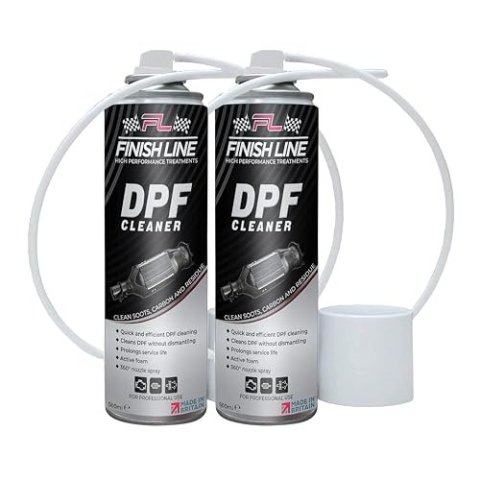 Finish Line Diesel Particulate Filter Cleaner 500ml, Pack of 2
£18.29
Finish Line Diesel Particulate Filter Cleaner 500ml, Pack of 2
£18.29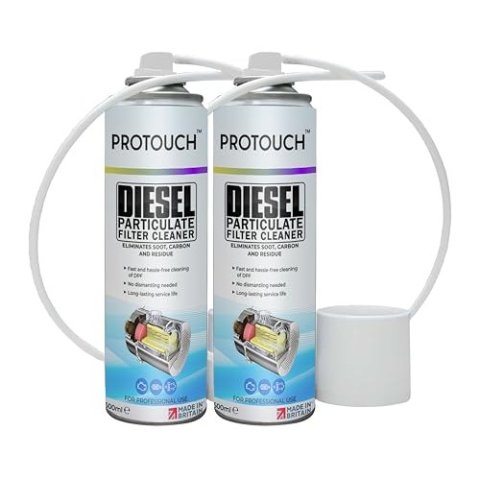 PROTOUCH Diesel Particulate Filter Cleaner 500ml, DPF and EGR System Cleaner, Pack of 2
£18.09
PROTOUCH Diesel Particulate Filter Cleaner 500ml, DPF and EGR System Cleaner, Pack of 2
£18.09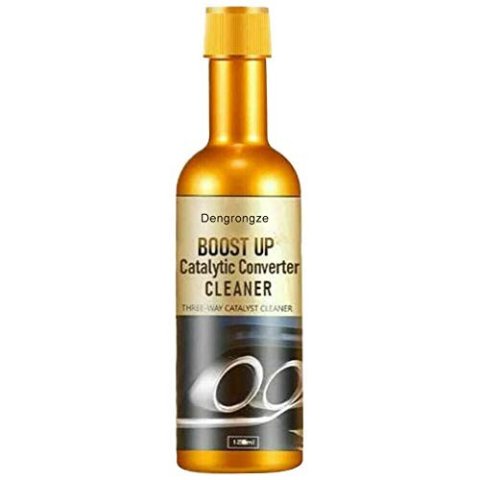 U/K Catalytic Converter Cleaner for Petrol, Hybrid and Flex-Fuel Vehicles
£7.99
In stock
U/K Catalytic Converter Cleaner for Petrol, Hybrid and Flex-Fuel Vehicles
£7.99
In stock
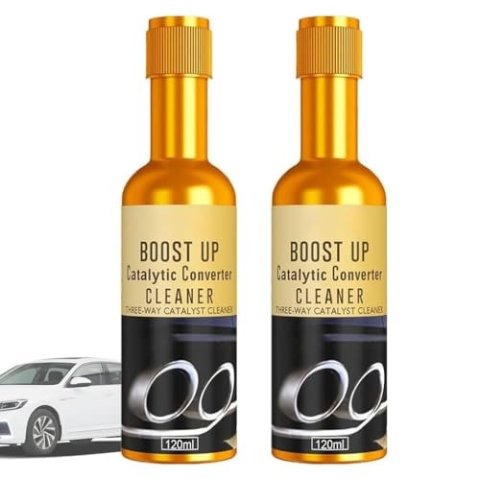 Keeplus Catalytic Cleaner for Petrol Engines and Exhaust Systems
£8.55
In stock
Keeplus Catalytic Cleaner for Petrol Engines and Exhaust Systems
£8.55
In stock
A sensible buying path
-
Read the vehicle message and handbook
Confirm what the warning means for that model. Do not apply another vehicle's regeneration or cleaning advice.
-
Identify the system
Separate DPF, EGR/intake and catalytic-converter faults. If the component is unclear, read the code and diagnose it.
-
Rule out the diagnosis triggers
Multiple warnings, restricted performance, repeated recurrence, misfire or unknown fault history move the job away from casual product selection.
-
Choose the correct cleaner family
Browse DPF, EGR and turbo sprays, the dedicated DPF or EGR categories, or fuel-system and catalytic cleaners only after the system is known.
-
Verify the complete procedure
Check fuel compatibility, dose, access route, PPE, ventilation, reassembly and any regeneration or diagnostic steps on the current instructions.
-
Recheck the result
If the warning stays on or returns, stop adding cleaners and investigate the root cause. Keep emissions equipment fitted and unmodified.
DPF, EGR and catalytic cleaner FAQs
Are DPF cleaner and EGR cleaner the same?
No. A DPF product targets the particulate filter or its regeneration process. An EGR cleaner targets the EGR/intake route named by the product. Some listings mention both, so confirm the actual application point instead of relying on the front label.
Do DPF cleaner sprays work?
They may help remove compatible deposits when the filter is serviceable and the full procedure is followed. They cannot guarantee a result where ash loading, a failed sensor, an engine fault or physical damage is the cause.
Can I spray EGR cleaner into a DPF?
Only use a product through a route that its current instructions explicitly support. An intake aerosol and a direct DPF spray can differ in formula, access point and follow-up steps.
Is catalytic-converter cleaner poured into the fuel tank?
Many consumer products are, but some specialist cleaners use an approved intake route. Check the exact format, fuel type, tank quantity and dose. Never pour an aerosol or technical DPF cleaner into fuel unless its instructions specifically identify it as a fuel additive.
Will a cleaner switch off the engine-management light?
It might help only when a compatible deposit is the underlying issue. A warning light can also point to a sensor, fuelling, wiring, mechanical or damaged-component fault, so a persistent light needs diagnosis.
Can I remove a DPF or bypass an EGR fault instead?
No. The current Great Britain MOT manual treats missing, obviously modified or obviously defective emissions-control equipment as a major defect, and evidence of DPF tampering is also a major defect. Repair the cause and keep the required equipment intact. Northern Ireland has a separate testing regime.