

Brake cleaner product guide
Brake cleaner and degreaser both remove oily dirt, but brakes are the place to be strict
Brake cleaner is made for brake and clutch cleaning jobs where dust, oil, grease and residue need to be removed without leaving a film behind. Degreaser is better for oily grime on engines, tools, removed parts and workshop surfaces. The overlap is real, but you should not swap them blindly on brake discs, pads, drums or clutch parts.
Quick answer
Use brake cleaner for brake and clutch parts. Use degreaser for oily grime away from friction surfaces.
If the job involves brake discs, drums, calipers, pads, clutch parts or brake dust, start with brake cleaner, brake and clutch cleaners or brake parts cleaner sprays. If the job is greasy engine residue, tools, removed parts or workshop grime, compare degreasers, degreaser sprays and engine cleaners and degreasers. Only use one in place of the other when the product label clearly supports that surface and job.
Best fit for brake and clutch components where a fast-drying, residue-conscious cleaner is needed.
Best fit for oily grime on engines, removed metal parts, tools, underbody areas and workshop cleaning.
Braking surfaces are safety-critical. Follow the label and get mechanical issues checked rather than masking them.
Start with the job in front of you
The quickest way to choose is to name the dirty part before you name the chemical. A brake disc with pad dust, a greasy engine bracket and a dirty workbench should not automatically get the same product.
Brake disc, drum or caliper is dirty
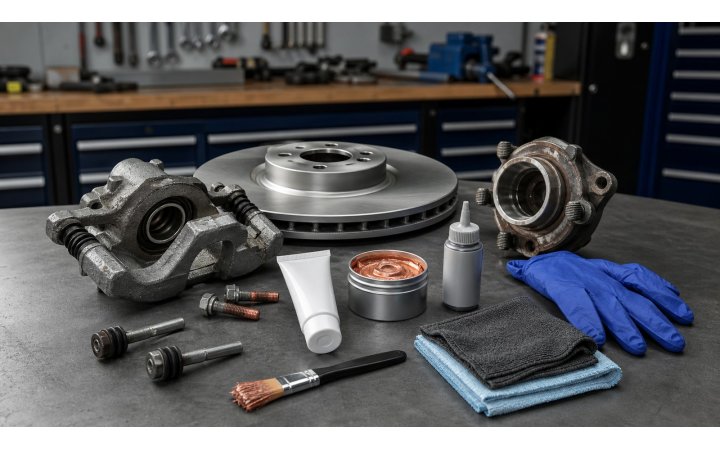
Use brake cleaner or brake and clutch cleaner. Keep the spray controlled, avoid soaking nearby trim, and do not use oily cloths or general degreaser residue around friction surfaces.
Brake pads or shoes are contaminated
Do not assume a spray cleaner fixes it. Oil, grease or brake fluid contamination can require inspection or replacement, so treat this as a brake-service issue rather than a cleaning shortcut.
Engine part or tool is greasy
Use a degreaser that matches the surface and soil level. Removed parts are easier because you can dwell, brush, wipe or rinse without pushing cleaner into a brake assembly.
You only have one can on the shelf
Read the label before substituting. Brake cleaner may be acceptable on some bare metal parts, but a general degreaser should not be used on brake friction surfaces unless it specifically says so.
The difference is not just strength. It is the job and the surface.
Both product types can dissolve oil and grease, but they are built around different cleaning contexts. Brake cleaner is narrow and fast: remove contamination from brake or clutch parts, then dry without leaving a residue that can affect performance. Degreaser is broader: break down heavier grime on parts, tools, engines and surfaces, often with wiping, agitation, dilution or rinsing depending on the formula.
Choose brake cleaner
For brake discs, drums, calipers, clutch assemblies, brake dust and brake pad residue where the product label supports the component.
Browse brake cleanerChoose degreaser
For engine grime, oily tools, removed metal parts, parts-washer work and general workshop dirt that is not on braking friction surfaces.
Compare degreasersPause before swapping
Do not put a general degreaser on brake pads, discs or drums unless the label specifically says it is suitable for that brake job.
Browse brake careProducts to compare
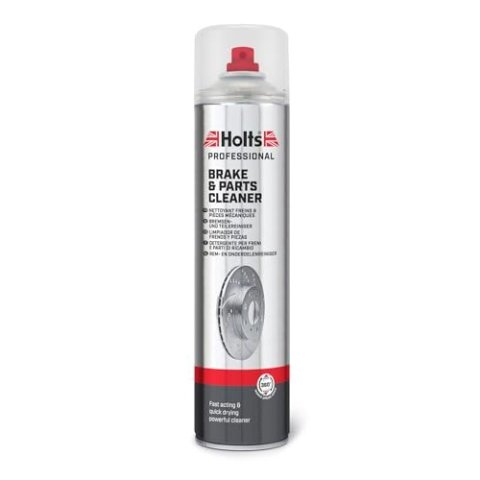
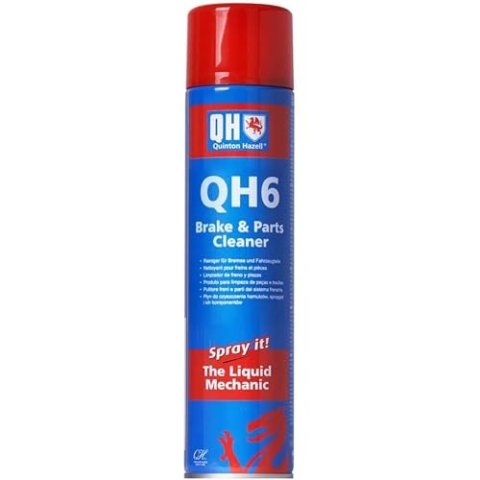
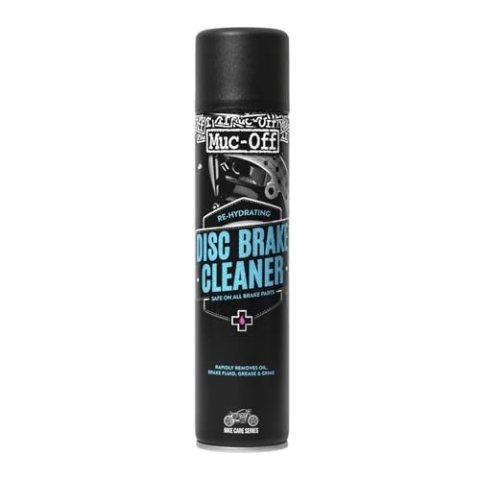
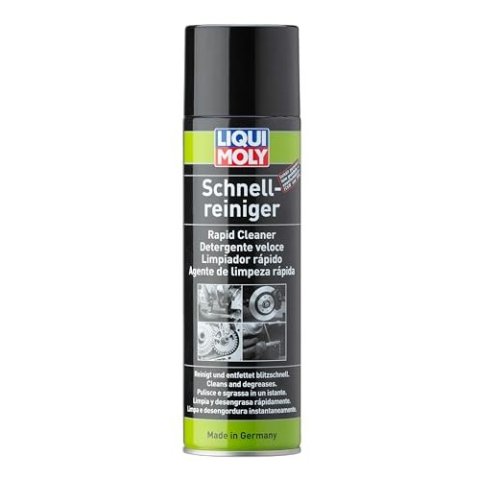
Brake cleaners to compare
Avoid this mistake
Never use a cleaner, dressing or degreaser that leaves film on brake friction surfaces.
Brake discs, drums, pads and shoes need clean, predictable contact. Products that leave gloss, lubrication, protective film or sticky residue belong away from friction surfaces. If a label is vague, choose a brake-specific cleaner or stop and get the brake area inspected.
| Question | Brake cleaner | Degreaser |
|---|---|---|
| Main use | Brake and clutch parts, brake dust, oily brake residue and metallic parts where the label allows it. | Engines, removed parts, tools, chains, workshop surfaces and heavy oily grime. |
| Drying and residue | Usually chosen for fast drying and low-residue cleaning on brake-related parts. | Varies by formula; some need wiping, rinsing, dilution or longer dwell time. |
| Best format | Aerosol or spray for controlled application and hard-to-reach brake areas; 5L packs for repeat use. | Trigger spray for small jobs, aerosol for targeted work, concentrates or 5L packs for repeat cleaning. |
| Can it replace the other? | Sometimes useful as a general parts cleaner on suitable metal, but it is not an all-surface cleaner. | Do not use as a brake cleaner unless the label specifically supports brake or clutch use. |
| Watch-outs | Paint, plastic, rubber, hot surfaces, ignition sources, fumes and overspray on sensitive areas. | Residue, slippery film, strong alkalinity or solvents, surface compatibility and rinsing near electrics. |
Brake side
Brake cleaner is narrow because the components matter
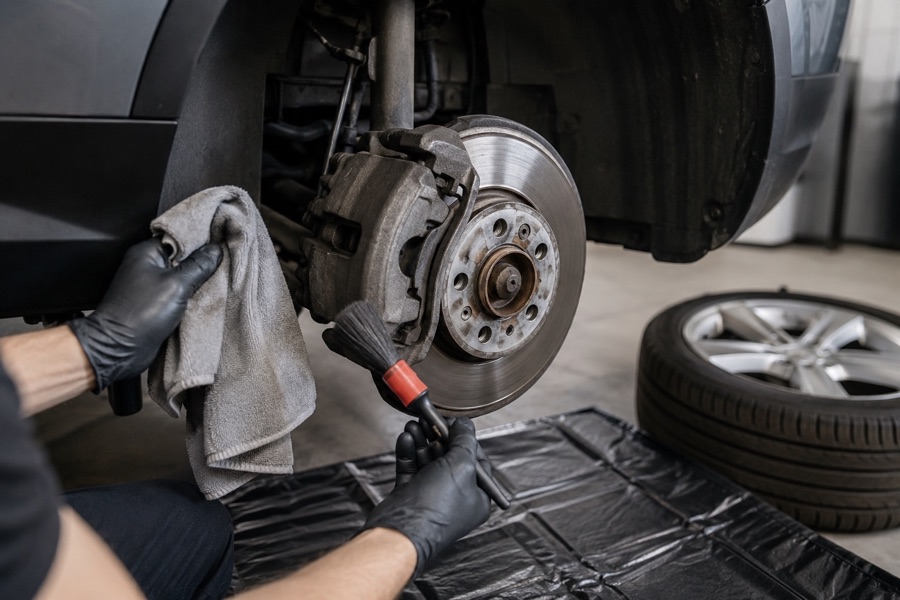
Brake parts do not tolerate oily film, dressing residue or leftover cleaner. That is why brake cleaner is usually the right category for discs, drums, calipers and clutch assemblies. It is designed around quick cleaning and drying rather than leaving a wash, shine or protective finish.
Even then, do not spray blindly. Keep the work area ventilated, avoid ignition sources, work on cool components, prevent overspray onto paint and trim, and test brake performance after maintenance. If pads, shoes or braking parts are soaked with oil, brake fluid or another contaminant, cleaning may not be enough. Get the brake system checked.
Application control
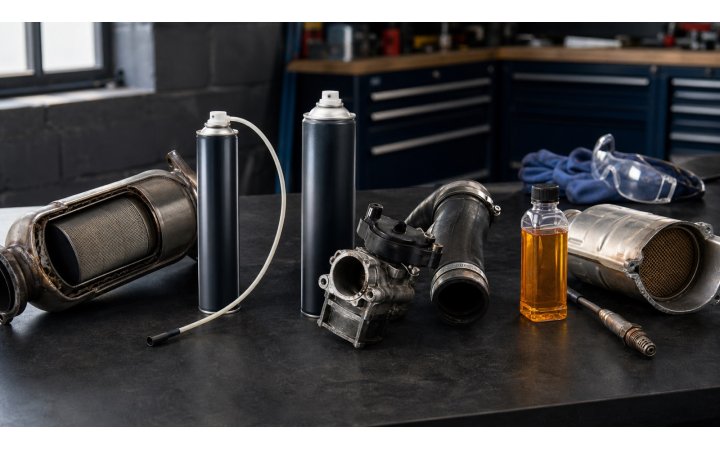
Aerosol brake cleaner is convenient, but it is still a strong solvent product
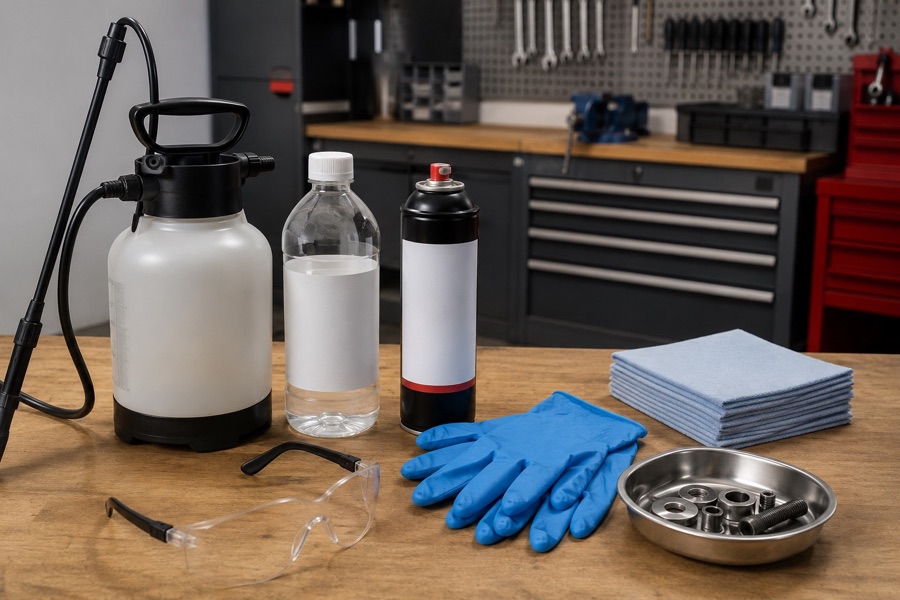
The spray can help reach awkward brake and clutch areas, but it also makes overspray easier. Use short, controlled bursts, keep absorbent cloths nearby, and avoid soaking nearby rubber, plastic, painted panels or bearings unless the label says that is acceptable.
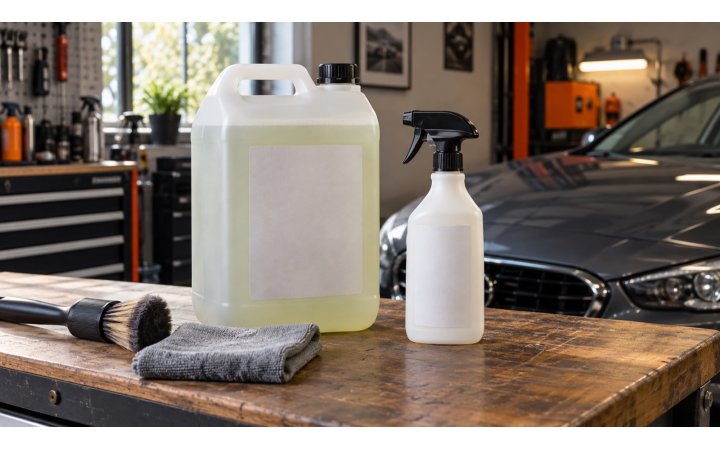
For repeat jobs, 5L brake cleaner can be more economical, but storage and dispensing become part of the safety decision. A larger pack is useful only if you can keep it sealed, labelled and handled properly.
Products to compare
Degreasers for oily grime and parts
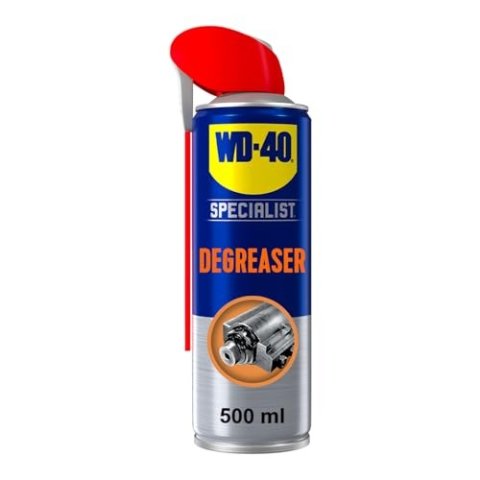 WD-40 Specialist Degreaser Spray 500ml with Smart Straw
£9.49
WD-40 Specialist Degreaser Spray 500ml with Smart Straw
£9.49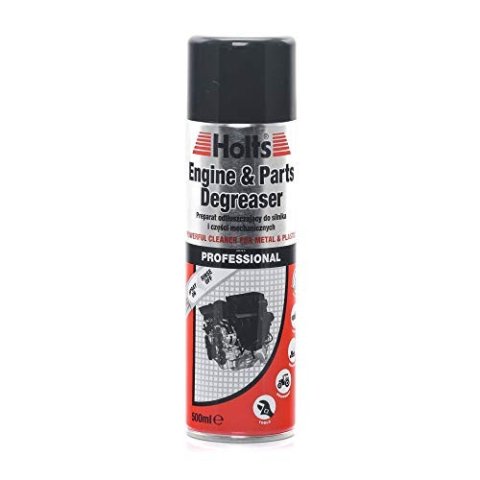 Holts Engine Degreaser Spray 500ml
£8.44
Holts Engine Degreaser Spray 500ml
£8.44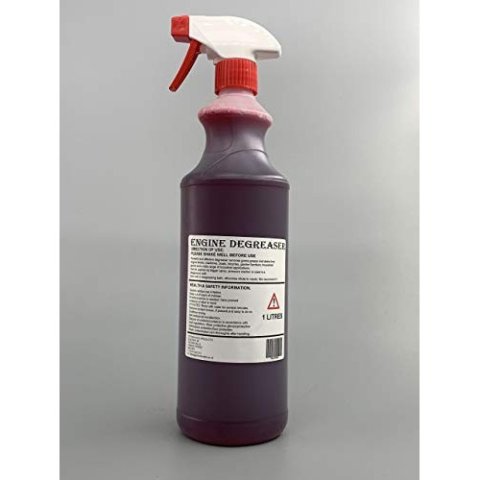 Showtime Chemicals Concentrate Engine Degreaser, 1 Litre Trigger
£6.85
In stock
Showtime Chemicals Concentrate Engine Degreaser, 1 Litre Trigger
£6.85
In stock
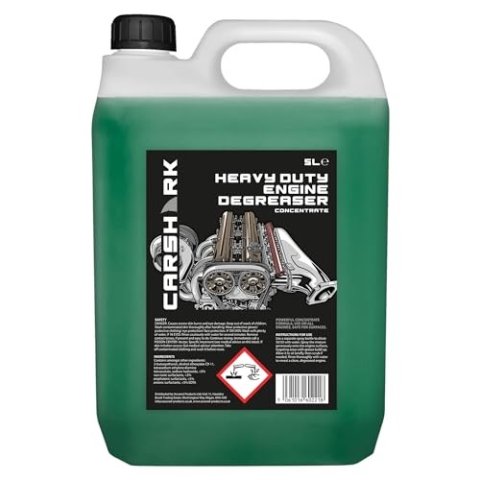 CARSHARK Heavy Duty Engine Degreaser Concentrate, 5 Litre
£15.99
In stock
CARSHARK Heavy Duty Engine Degreaser Concentrate, 5 Litre
£15.99
In stock
Where degreaser is the better buy
Degreaser makes more sense when the problem is oily grime rather than a brake-specific component. Think engine bay residue, greasy tools, removed parts, underbody grime, workshop benches or a parts-washer workflow. A ready-to-use spray is easiest for one-off jobs. A concentrate or 5L pack can suit repeat cleaning if you are comfortable with dilution, dwell time and rinse or wipe-down instructions.
That broader use is exactly why degreaser needs more judgement around brakes. Some degreasers can leave residue, need water, or be too aggressive for certain surfaces. That is not what you want on brake pads, discs, drums or friction surfaces.
| Actual job | Better starting category | Why |
|---|---|---|
| Dusty brake caliper exterior | Brake parts cleaner spray | Brake-adjacent area, controlled spray, quick drying and less guesswork than a general degreaser. |
| Greasy engine bracket removed from the car | Degreaser | You can soak, brush, wipe or rinse the part away from friction surfaces and electrics. |
| Workshop tray with oily residue | Degreaser spray or concentrate | Residue control is less safety-critical than on brakes, and a degreaser is built for oily grime. |
| Brake cleaner used weekly | 5L brake cleaner | Bulk format can make sense when storage, labelling and dispensing are handled properly. |
| Unknown stain near pads or shoes | Inspection first | Do not hide brake fluid, oil or grease contamination with a cleaning pass. |
Format choice
Pick degreaser format by how often you clean and how oily the job is
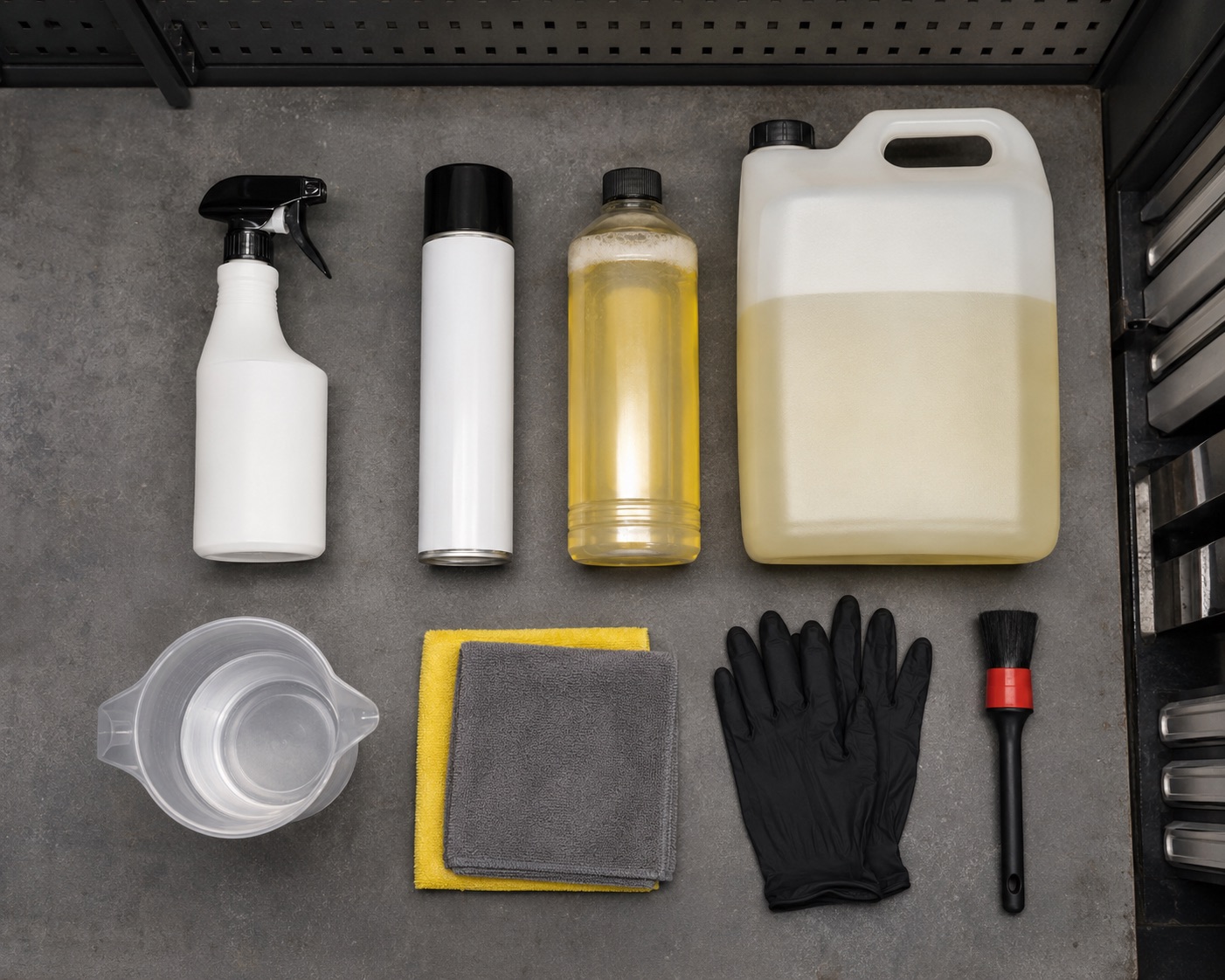
For light oily marks, a degreaser spray gives good control and avoids buying more product than you need. For regular workshop cleaning, engine degreasers, concentrates and heavy-duty degreasers can be more practical, but they demand more attention to dilution, PPE and disposal.
If you are moving between engine cleaning and brake cleaning, keep the product categories separate on the bench. A cloth or brush used with degreaser should not then be used on brake friction surfaces.
Parts cleaning
Use degreaser when you can control the surface and the clean-up
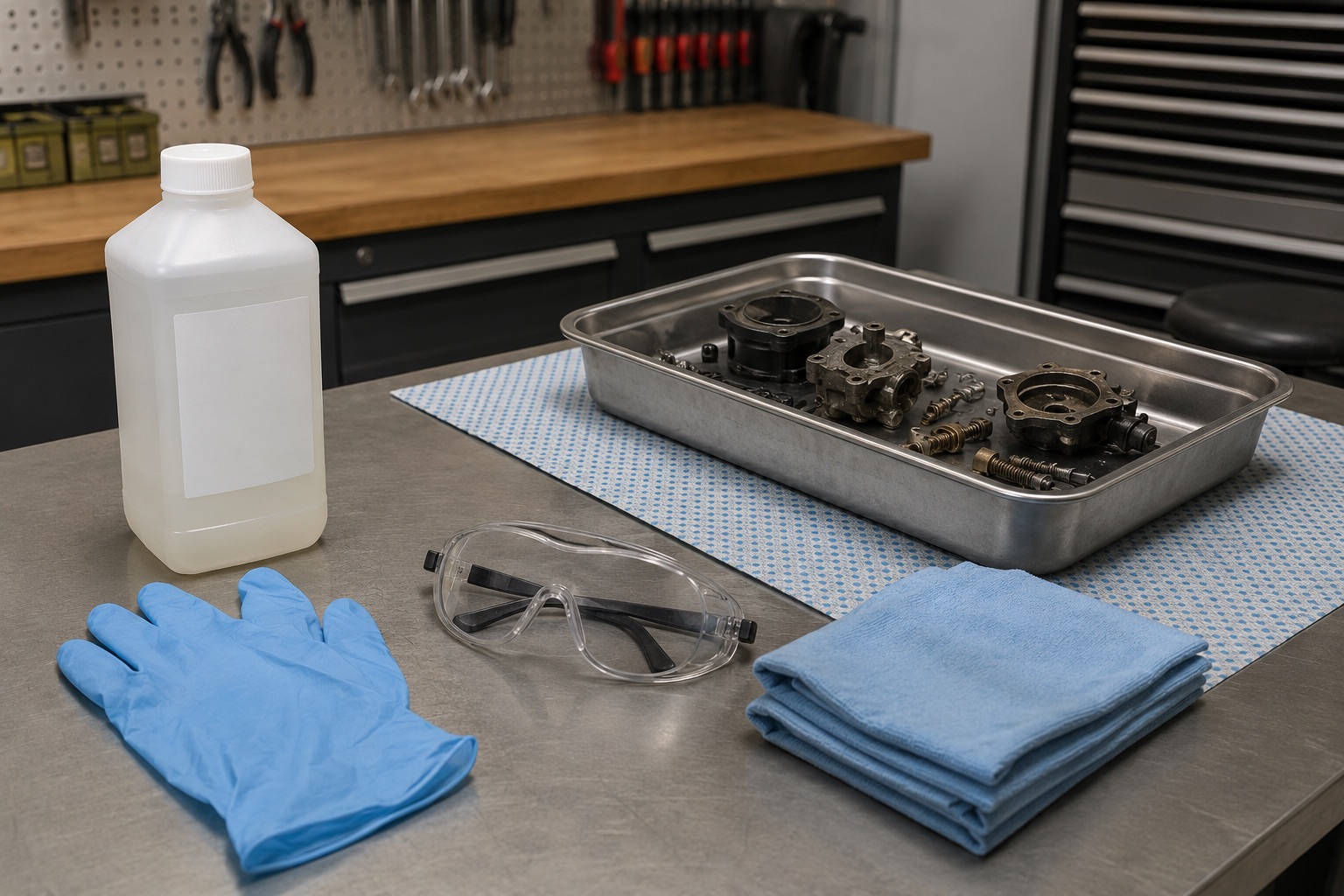
Degreaser works best when you can let the product dwell, agitate the grime and then wipe or rinse as directed. That is much easier on removed parts, tools and workshop surfaces than it is on a brake assembly still on the car.
After degreasing, make sure the part is dry and free from residue before it goes near a brake assembly or any area where slip, contamination or electrical moisture could create a problem.
Can you use one for the other?
Brake cleaner can sometimes do small metal degreasing jobs. Degreaser should not be your brake cleaner by default.
If a brake cleaner label allows use on metal parts, it may work for a quick clean on a bracket, tool or removed part. But using a general degreaser on brake components is different. Unless the label specifically covers brake or clutch use, keep degreaser away from discs, pads, drums, shoes and friction surfaces.
Checklist before you choose or swap
Component
Brake or clutch component? Start with brake cleaner. Engine, tool or bench grime? Compare degreasers.
Residue risk
Anything that can leave a film is a poor fit for braking friction surfaces unless the label says otherwise.
Surface mix
Check paint, rubber, plastics, seals, plated metal and aluminium before applying either product.
Ventilation
Use solvent cleaners with good ventilation and keep them away from heat, sparks and ignition sources.
Method
Brake cleaner usually means controlled spray and dry. Degreaser may need dwell, agitation, wipe-down or rinse.
Faults
If contamination returns or braking performance is affected, stop cleaning and get the system inspected.
Products to compare
Brake cleaner and degreaser formats to compare
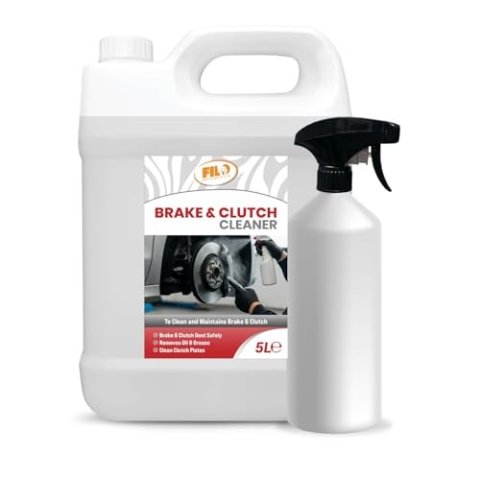 Filo Brake and Clutch Cleaner 5L with 1L Spray Bottle
£21.35
In stock
Filo Brake and Clutch Cleaner 5L with 1L Spray Bottle
£21.35
In stock
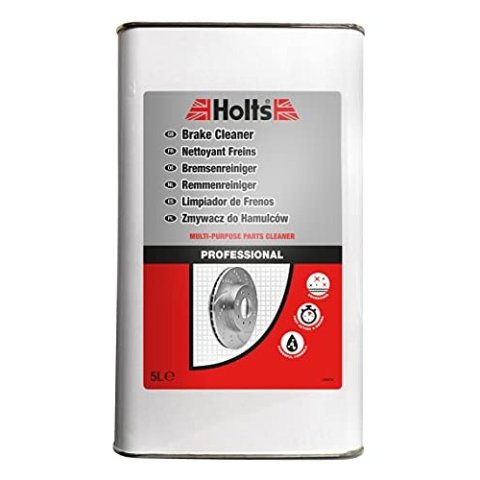 Holts Professional Brake and Parts Cleaner 5L
£17.97
In stock
Holts Professional Brake and Parts Cleaner 5L
£17.97
In stock
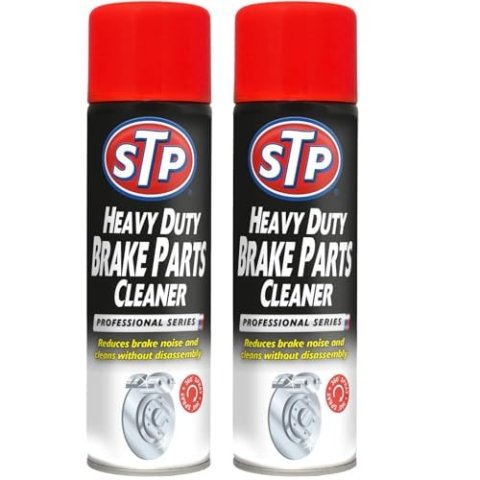 STP Heavy Duty Brake Cleaner Pack of 2, 500ml each
£11.95
In stock
Save 25%
STP Heavy Duty Brake Cleaner Pack of 2, 500ml each
£11.95
In stock
Save 25% 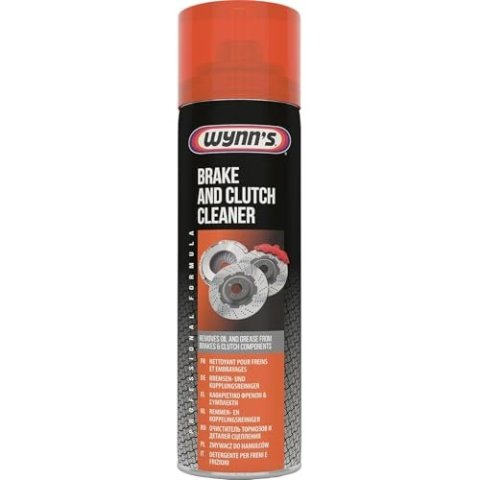 Wynn's Brake & Clutch Cleaner Spray 500ml
£7.49
WD-40 Specialist Degreaser Spray 500ml with Smart Straw
£9.49
Holts Engine Degreaser Spray 500ml
£8.44
Wynn's Brake & Clutch Cleaner Spray 500ml
£7.49
WD-40 Specialist Degreaser Spray 500ml with Smart Straw
£9.49
Holts Engine Degreaser Spray 500ml
£8.44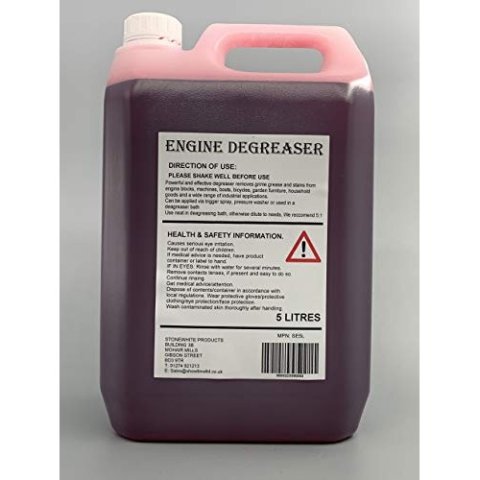 Showtime Chemicals Concentrate Engine Degreaser and Parts Washer Fluid, 5 Litres
£10.97
In stock
CARSHARK Heavy Duty Engine Degreaser Concentrate, 5 Litre
£15.99
In stock
Showtime Chemicals Concentrate Engine Degreaser and Parts Washer Fluid, 5 Litres
£10.97
In stock
CARSHARK Heavy Duty Engine Degreaser Concentrate, 5 Litre
£15.99
In stock
FAQ
Is brake cleaner the same as degreaser?
Not exactly. Brake cleaner is a brake and clutch cleaning category. Degreaser is a broader cleaning category for oil, grease and grime. Some products overlap, but the intended component matters.
Can I use degreaser on brake discs?
Only if the product label specifically supports brake use. A general engine or workshop degreaser should not be used on brake discs, pads, drums or shoes by default.
Can brake cleaner be used as a degreaser?
Sometimes on suitable metal parts, if the label allows it. It can be wasteful or too harsh for general cleaning, so do not treat it as an all-surface degreaser.
Why does residue matter on brakes?
Brake friction surfaces need to stay clean and predictable. Oily film, dressing, cleaner residue or contaminated cloths can reduce performance or cause noise and slip.
Which format should I buy?
Choose aerosol or spray for controlled brake cleaner use. Choose spray degreaser for small oily jobs, and concentrates or 5L packs for repeat workshop cleaning.
Where should I browse next?
Use brake cleaner for brake jobs, brake parts cleaner sprays for spray formats, or degreasers for broader oily grime.
Final recommendation
For brakes, choose brake cleaner. For oily non-brake grime, choose degreaser.
The safest buying rule is simple: brake or clutch part equals brake cleaner, oily engine or workshop grime equals degreaser. If a product claims both jobs, read the label carefully and let the stated surfaces, drying method and residue guidance decide.