

Brake service lubricant guide
Brake grease, copper grease and anti-seize are not three names for the same job
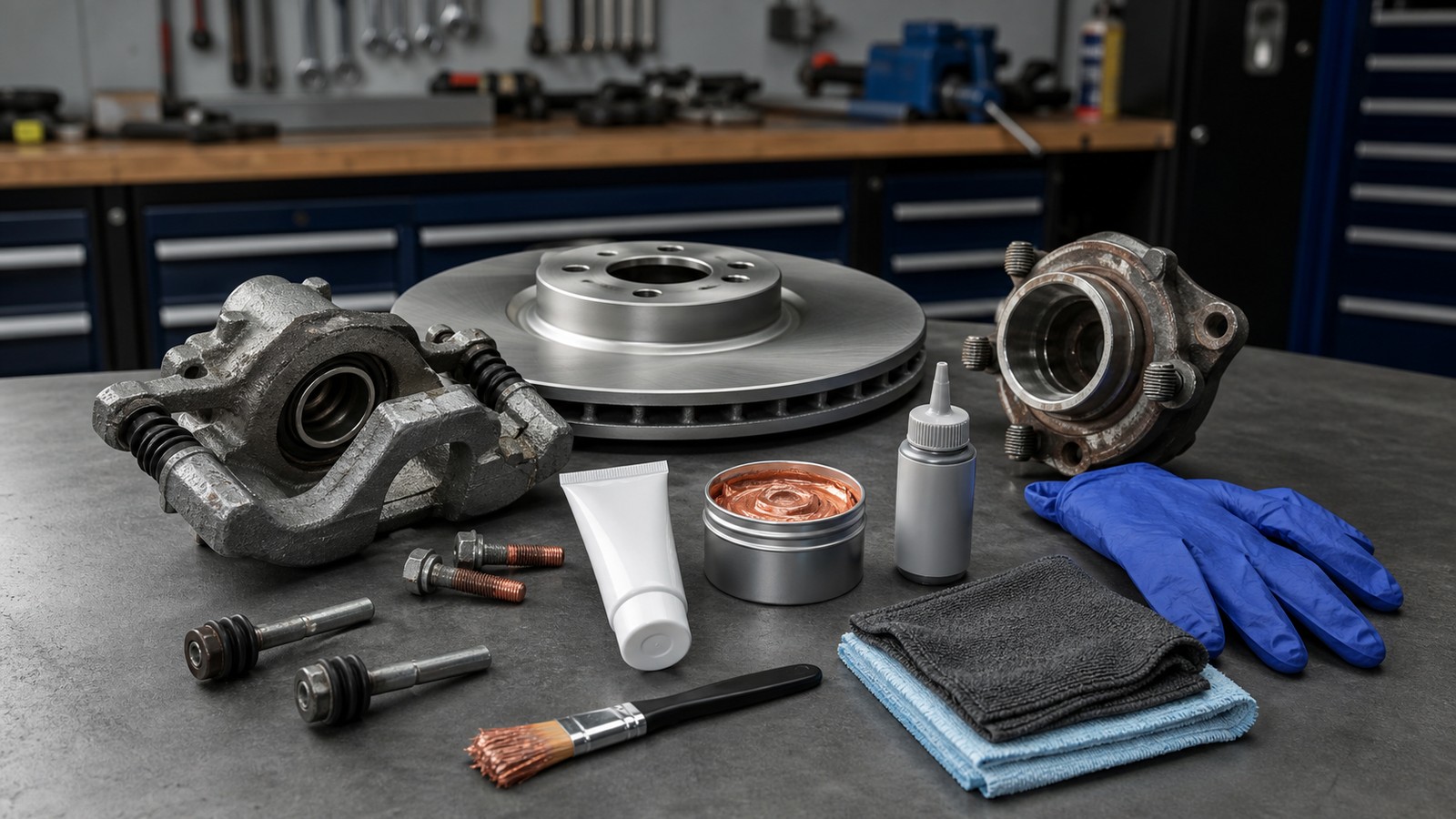
The right product depends on the part you are touching. Caliper slider pins, pad backs, hub faces, bolts and brake discs all need different treatment. This guide gives you a simple job-by-job way to choose without putting grease where it can affect braking.
Quick answer
Use brake grease for suitable brake hardware. Use copper grease or anti-seize for metal anti-seize jobs. Keep all grease off friction surfaces.
Start with brake grease or caliper grease for slider pins, pad contact points, clips and anti-squeal points when the label supports that exact use. Use copper grease or anti-seize for metal-to-metal jobs where seizure, rust or heat makes later removal difficult. Do not apply any grease to brake discs, drums, pad friction material or shoe lining.
Usually need a brake/caliper grease that is suitable for the pin, boot and bush materials.
May need a tiny film of suitable anti-squeal or brake grease at contact points only.
Often suit anti-seize thinking, but thread torque and vehicle guidance matter.
Brake discs, drums, pad material and shoe lining should stay clean and grease-free.
Start by naming the part, not the grease
The common mistake is asking "can I use copper grease on brakes?" That question is too broad. A brake caliper has moving pins, rubber boots, clips, pad backs, bolts and friction parts close together. A product can be sensible on one point and wrong a few centimetres away.
Caliper slider pins
Use a brake/caliper grease that clearly supports slider pins and nearby rubber parts. Avoid general copper grease here unless the product label and vehicle guidance both support it.
Pad backs, ears and clips
Use a very small amount of suitable brake grease or anti-squeal paste only where metal backing or clips touch. Never put it on the friction face.
Hub face or seized metal joint
Anti-seize can help with metal parts that may corrode together, but keep it thin and controlled. Do not let it migrate to braking surfaces.
Wheel studs, bolts and caliper bolts
Be strict. Many fasteners are torque-critical or may require threadlocker, not anti-seize. Follow the vehicle manual and product label.
Products to compare
Brake grease and caliper grease to compare
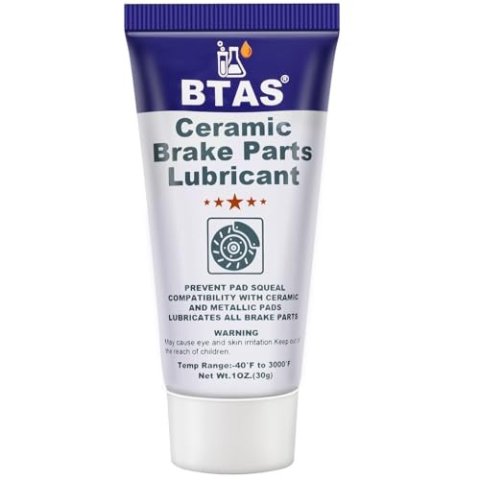 BTAS Brake Grease for Brake Parts, Caliper Sliding Pin and Pad Lubricant, 30g
£8.99
In stock
BTAS Brake Grease for Brake Parts, Caliper Sliding Pin and Pad Lubricant, 30g
£8.99
In stock
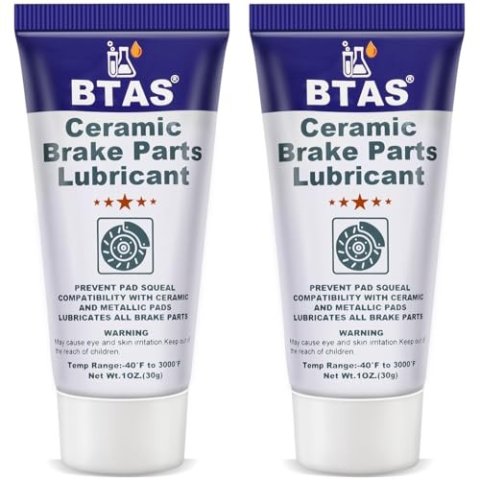 BTAS Brake Caliper Grease, high temp silicone synthetic ceramic assembly grease, 60g
£10.99
In stock
BTAS Brake Caliper Grease, high temp silicone synthetic ceramic assembly grease, 60g
£10.99
In stock
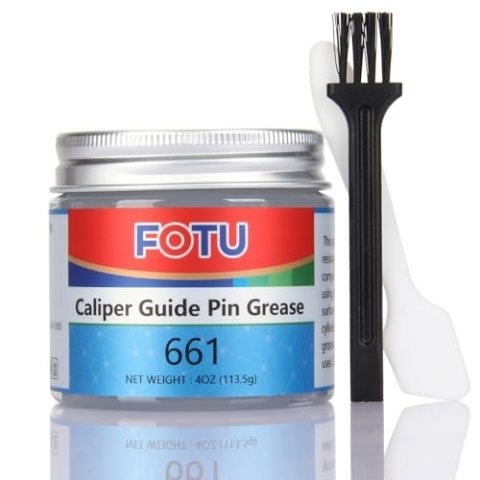 FOTU 661 Brake Pin Grease High Temp Ceramic Caliper Lubricant
£11.97
In stock
FOTU 661 Brake Pin Grease High Temp Ceramic Caliper Lubricant
£11.97
In stock
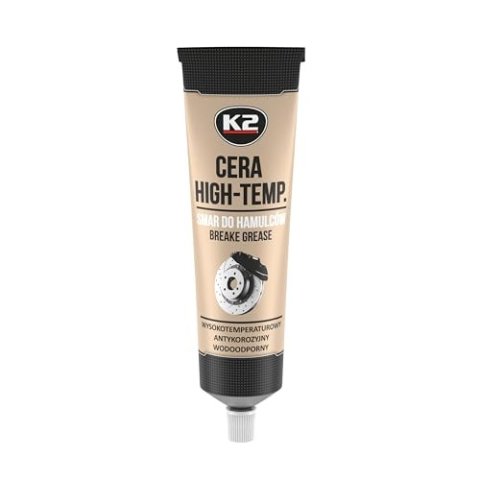 K2 Cera High Temperature Brake Grease Paste, 100 ml
£7.79
In stock
K2 Cera High Temperature Brake Grease Paste, 100 ml
£7.79
In stock
| Part or job | Better starting point | Why | Watch-out |
|---|---|---|---|
| Caliper slider pins | Brake/caliper grease | Slider pins need smooth movement and often sit beside rubber boots or bushes. | Check rubber compatibility. Do not assume copper grease is suitable. |
| Pad backs, ears and clips | Brake grease or anti-squeal paste | A tiny film can reduce noise at metal contact points where the label allows it. | Keep the friction material completely clean. |
| Rubber boots and seals | Label-approved rubber-compatible grease only | Wrong grease can damage or swell some rubber materials. | When the label is unclear, do not apply it. |
| Hub face behind a wheel or disc | Thin anti-seize where allowed | Can help prevent metal faces from corroding together. | Use sparingly. Keep it off the disc face, wheel studs and bolt seats unless guidance says otherwise. |
| Exhaust bolts, studs and hot fixings | Copper grease / anti-seize | These are classic anti-seize jobs because heat and corrosion make future removal difficult. | Use the temperature range and metal compatibility stated on the product. |
| Wheel nuts, wheel bolts or studs | Vehicle guidance first | Lubrication can change clamp force at a given torque value. | Do not grease threads or seats unless the manual or wheel supplier says to. |
| ABS sensors and electrical connectors | Specific electrical product only if required | Copper grease is not a general electrical connector treatment. | Keep conductive anti-seize away from sensors and plugs unless the product is explicitly intended for that job. |
| Brake discs, drums, pad friction material or shoe lining | No grease | These surfaces need clean friction to stop the vehicle predictably. | If contaminated, clean or replace as appropriate and get the brake area inspected. |
Caliper movement
Slider pins need the most careful grease choice
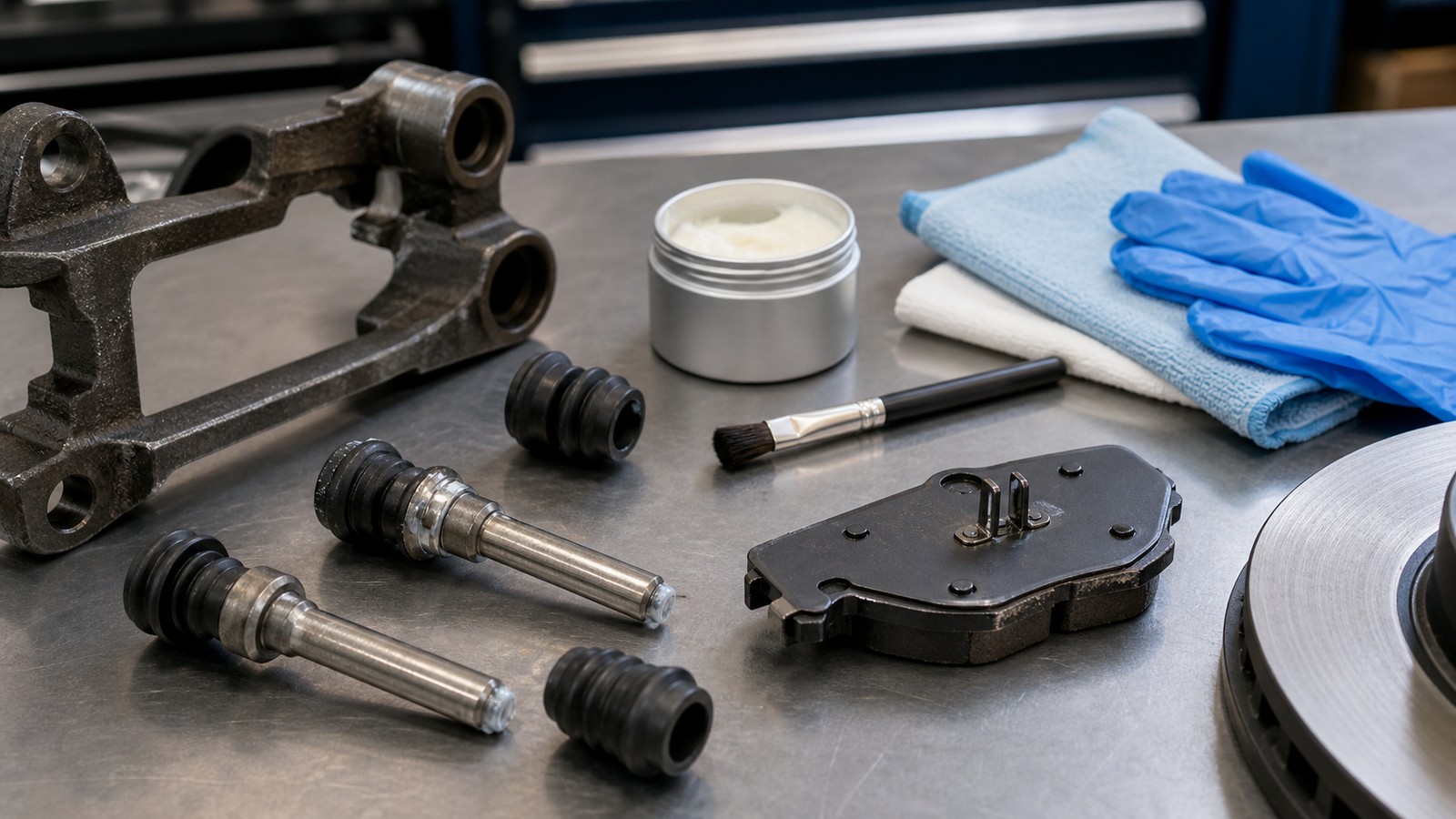
Caliper slider pins need to move freely so the pads can apply and release properly. That makes them different from a fixed bolt or a hub face. Look for a brake or caliper grease that specifically supports slider pins, high brake-area temperatures and the materials around the pin.
The rubber boot is the detail people miss. Some general greases and anti-seize compounds are not intended for rubber-contact areas. If the grease label does not mention slider pins, brake rubber, EPDM, nitrile or the relevant compatibility, choose a more specific brake grease or check the service information first.
Anti-seize jobs
Copper grease and anti-seize are for metal parts that may seize, not for every brake part
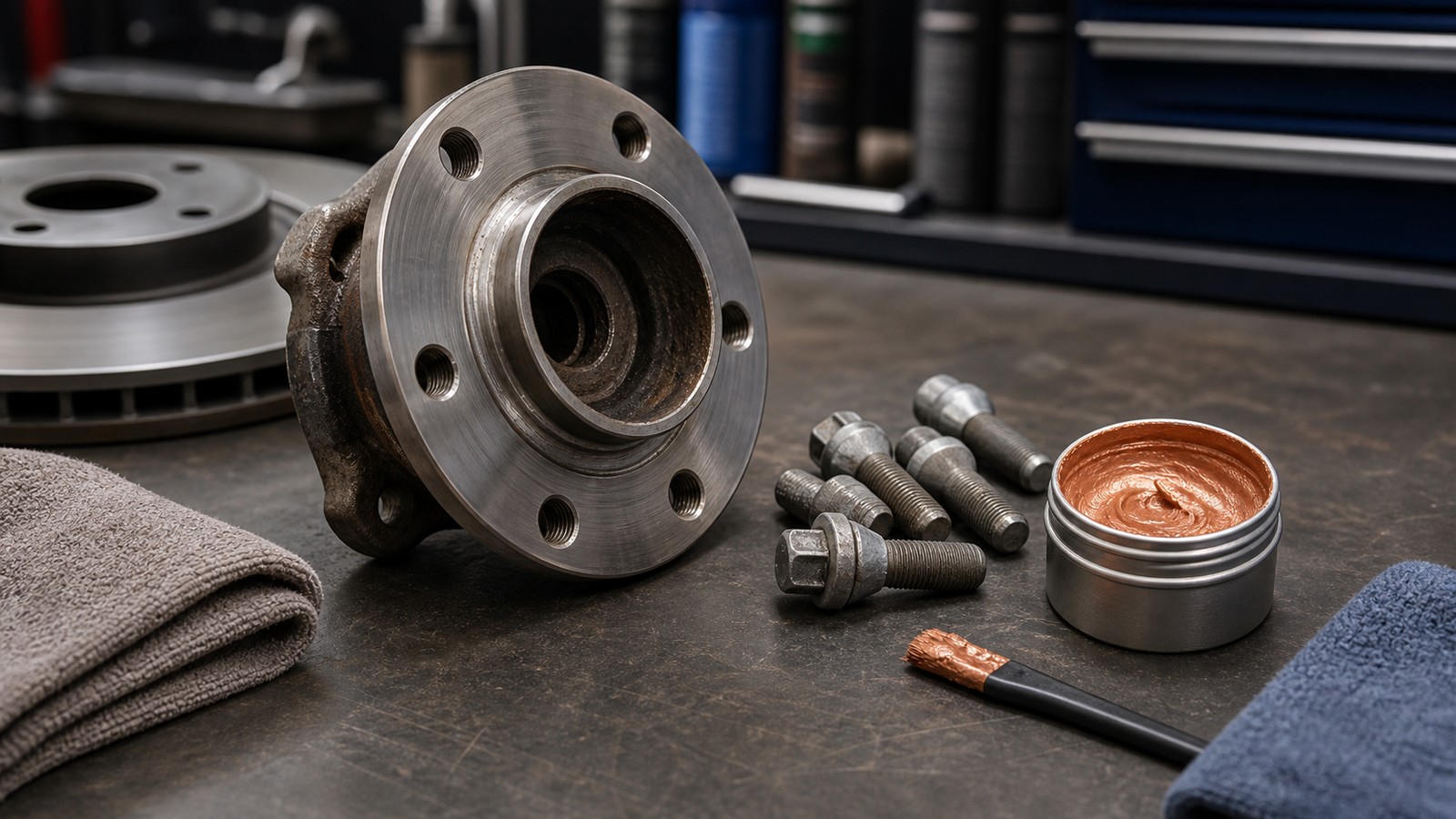
Copper grease is commonly used as an anti-seize compound. It can make sense on metal fixings, hot fasteners, some hub contact areas and assembly points where corrosion or heat can make future removal difficult.
That does not make it a universal brake lubricant. It is usually a poor default for rubber boots, slider pins, sensors, friction surfaces and torque-critical threads unless the product label and vehicle information say otherwise. Use a thin film where it is allowed, then wipe away excess before it can move.
Products to compare
Copper grease and anti-seize options
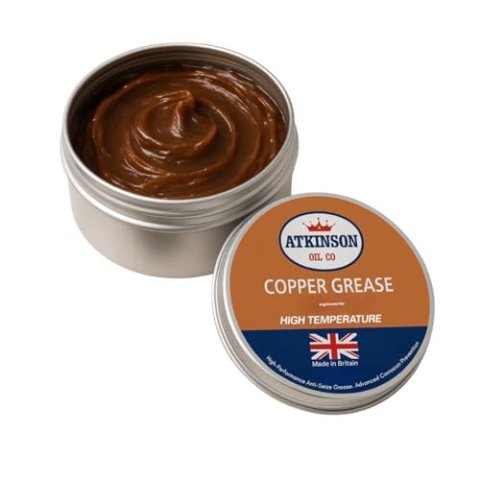 Atkinson Oil Co. Premium Copper Grease Anti-Seize Compound, 30g Tube
£7.99
In stock
Save 4%
Atkinson Oil Co. Premium Copper Grease Anti-Seize Compound, 30g Tube
£7.99
In stock
Save 4% 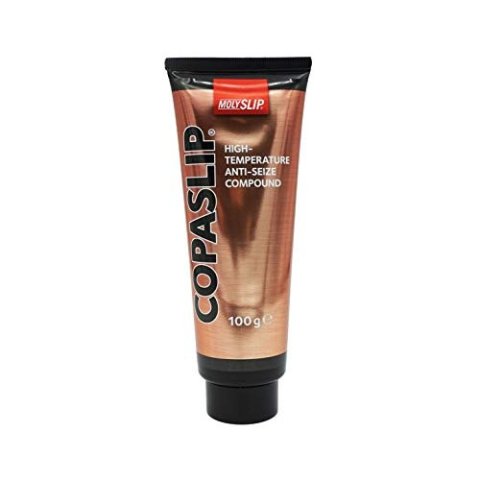 MOLYSLIP COPASLIP Copper Anti-Seize Grease Tube 100g
£9.58
MOLYSLIP COPASLIP Copper Anti-Seize Grease Tube 100g
£9.58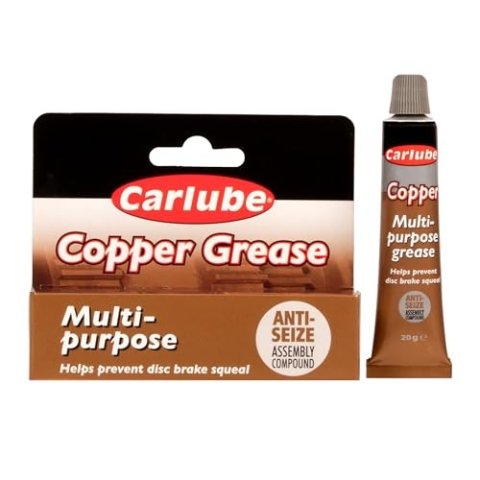 Carlube XCG020 Copper Anti-Seize Grease, 20g
£4.05
In stock
Carlube XCG020 Copper Anti-Seize Grease, 20g
£4.05
In stock
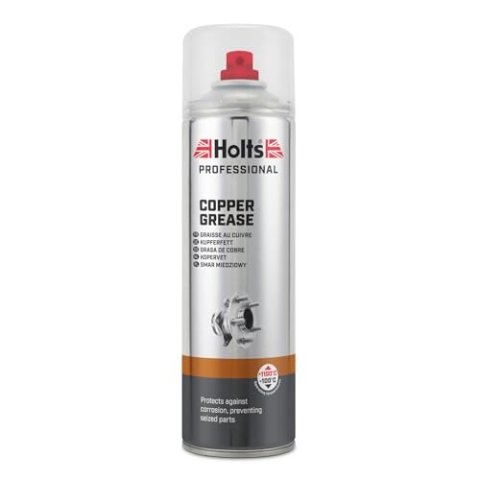 Holts Copper Grease Spray 500ml for Brake Pads and Callipers
£9.09
In stock
Holts Copper Grease Spray 500ml for Brake Pads and Callipers
£9.09
In stock
Avoid this mistake
More grease is not better around brakes
Excess grease attracts dirt, can migrate with heat and can end up on parts that must stay clean. Brake servicing is about a thin film in the correct place after cleaning. If the job starts with dirty pads, seized calipers, uneven wear or leaking fluid, grease is not the fix. Clean, inspect and repair the fault first.
Brake grease, copper grease and anti-seize in plain English
Think of the three product groups by job. Brake grease is for brake hardware that needs movement or quiet contact. Copper grease is often a copper-based anti-seize for metal assembly. Anti-seize is the broader job category: stopping hot, wet or corroded metal joints from locking together.
Choose brake grease
For caliper pins, pad backs, pad ears, clips and anti-squeal points when the product is intended for those brake parts.
Browse brake greaseChoose copper grease
For selected high-temperature metal anti-seize jobs where copper paste is suitable and the product label supports the surface.
Compare copper greaseChoose nothing
For brake discs, drums, friction material, shoe lining, wheel bolt seats and any point where service guidance says dry or threadlocked.
Browse brake care| Buying situation | Best starting category | Why |
|---|---|---|
| One-off caliper pin service | Small brake/caliper grease tube | You need material compatibility and controlled application more than a large tub. |
| Pad anti-squeal contact points | Brake grease or anti-squeal paste | Best when the product is clear about pad backs, clips or metal contact points. |
| Hub face or seized metal interface | Copper grease / anti-seize | Anti-seize is designed for fixed metal interfaces that may corrode or seize. |
| Workshop repeat servicing | Larger brake grease or anti-seize pack | Larger tubs make sense only when you can keep application clean and separate. |
| Cleaning before greasing | Brake cleaner or brake parts cleaner spray | Grease should go onto clean contact points, not onto brake dust and old residue. |
Clean application
Before applying anything, clean the part and separate clean surfaces from grease tools
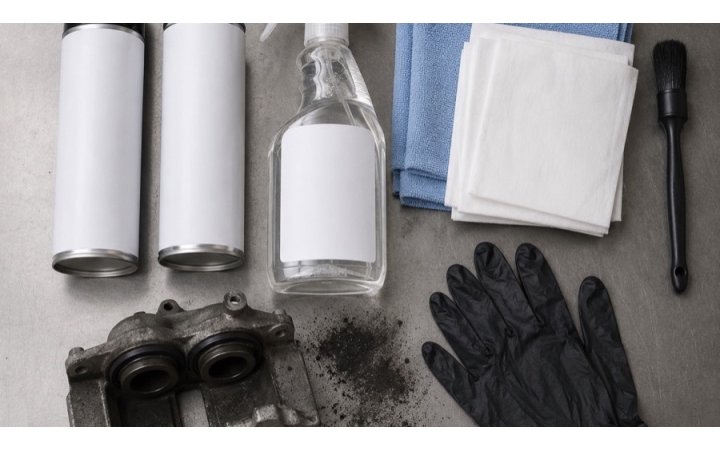
Brake work gets messy quickly. Use clean gloves, clean cloths and a dedicated applicator. If a brush has copper grease on it, do not use the same brush on slider pins or pad contact points unless that product is exactly what the label calls for.
For cleaning decisions before lubrication, see the MotorStash guide to brake cleaner vs degreaser. Brake cleaner can help prep metal brake parts, but it does not turn contaminated pads into safe pads.
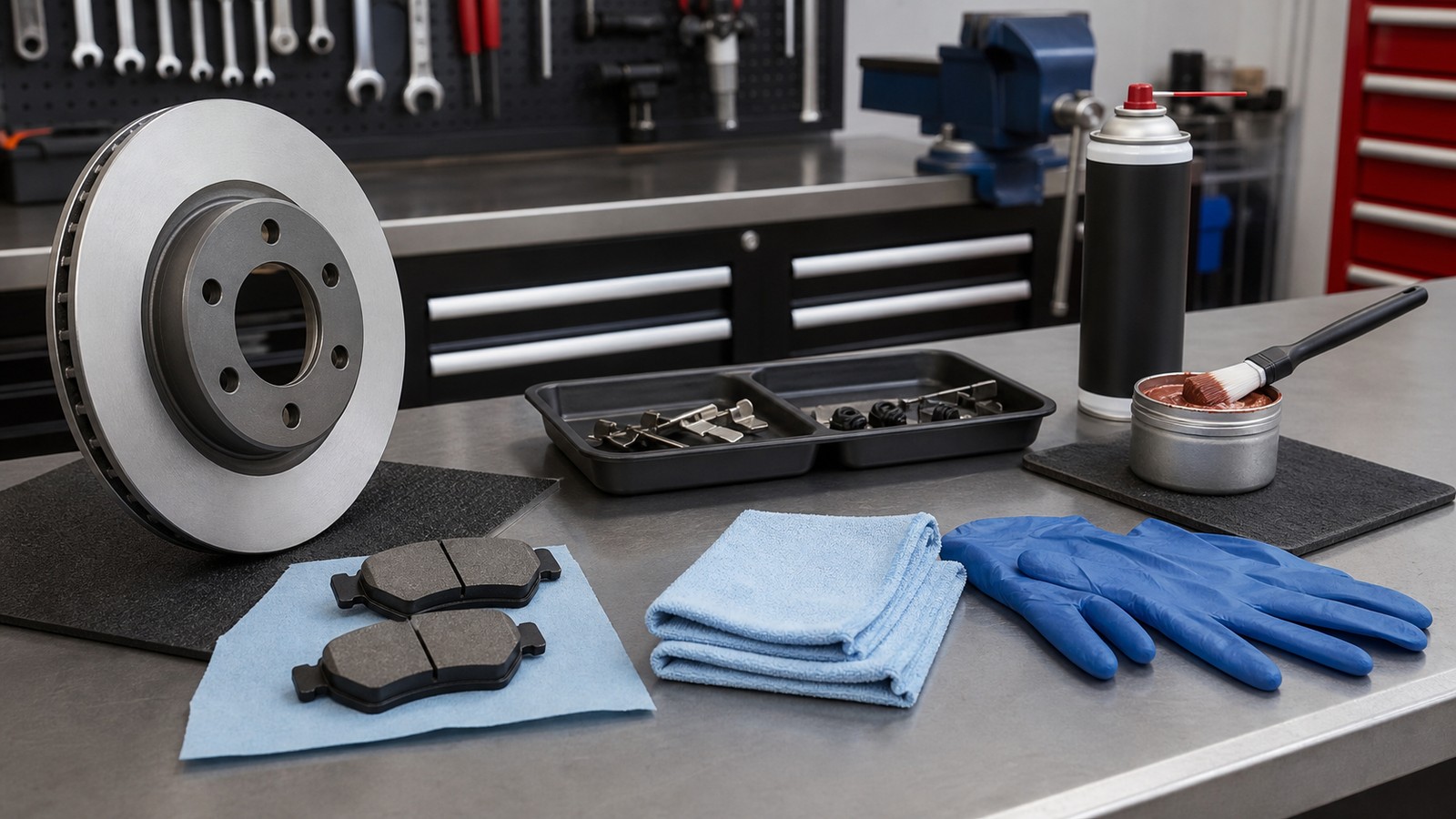
Brake grease application checklist
Read the label first
Look for the exact part: caliper pins, pad backs, clips, rubber boots, hub faces or threaded fasteners.
Clean before applying
Old dirt, brake dust and dried grease can stop new lubricant from doing its job.
Use a thin film
Apply only enough to coat the contact point. Wipe away excess before reassembly.
Protect friction surfaces
Keep grease away from discs, drums, pad friction material and shoe lining.
Watch rubber and plastic
Use rubber-compatible brake grease near boots, seals or bushes. Do not guess.
Respect torque and threadlocker
Do not add anti-seize to bolts that should be dry, torqued differently or fitted with threadlocker.
Products to compare
Brake grease, anti-squeal paste and anti-seize formats
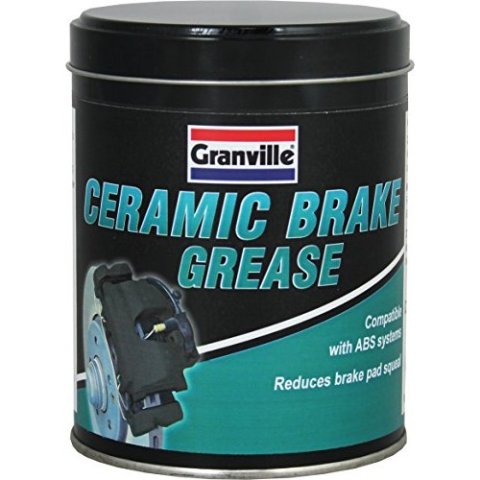 Granville Ceramic Brake Grease, 500 g
£18.09
In stock
Granville Ceramic Brake Grease, 500 g
£18.09
In stock
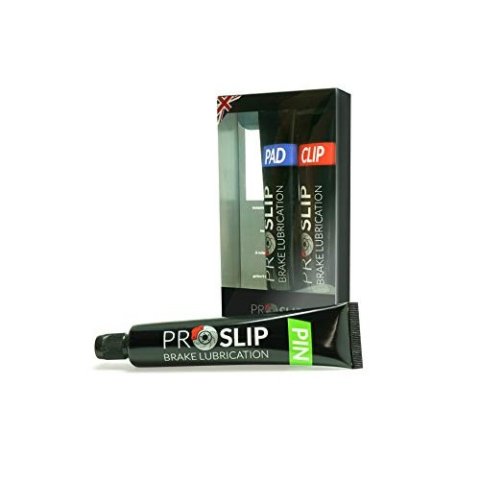 ProSlip Brake Grease for caliper pins, pads and clips
£14.95
In stock
ProSlip Brake Grease for caliper pins, pads and clips
£14.95
In stock
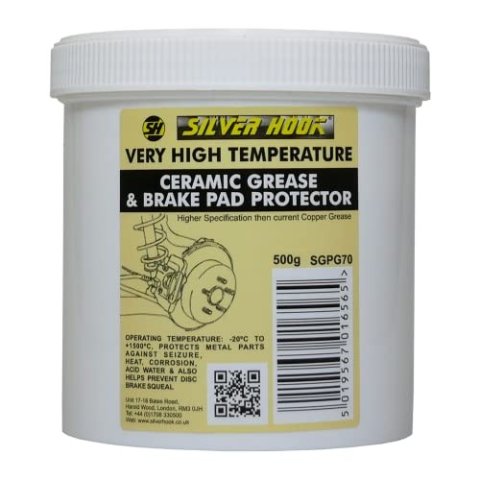 Silverhook Ceramic Grease Tub, 500g
£12.29
In stock
Silverhook Ceramic Grease Tub, 500g
£12.29
In stock
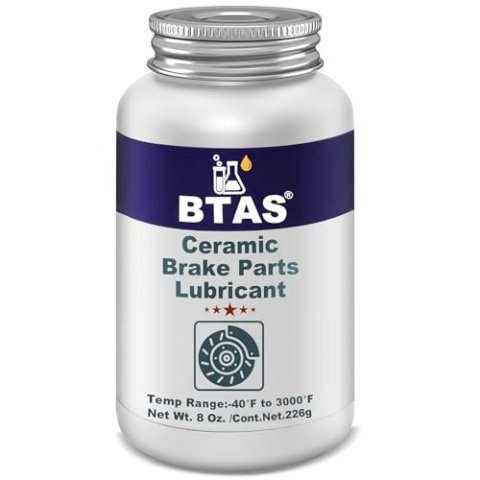 BTAS Synthetic Ceramic Brake Pad Grease with Brush, 226g
£18.99
In stock
BTAS Synthetic Ceramic Brake Pad Grease with Brush, 226g
£18.99
In stock
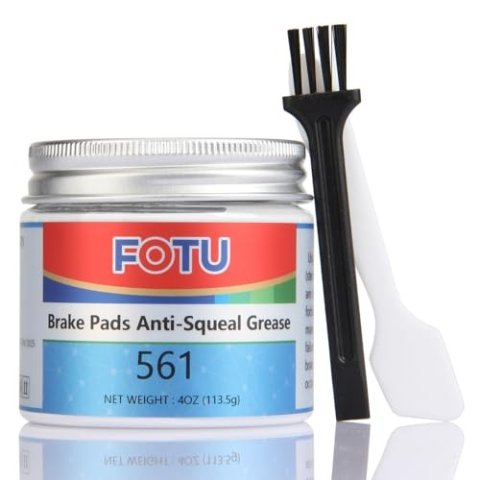 FOTU 561 Brake Pads Grease Anti-Squeal Lubricant
£9.97
In stock
FOTU 561 Brake Pads Grease Anti-Squeal Lubricant
£9.97
In stock
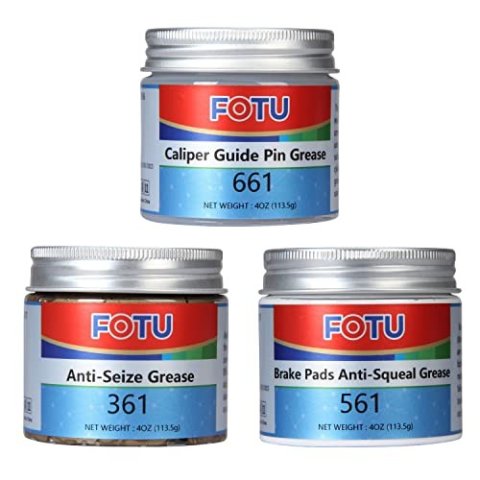 FOTU 661/561/361 Brake Grease Set for Caliper Pins, Pads and Hub Contact Points
£22.70
In stock
FOTU 661/561/361 Brake Grease Set for Caliper Pins, Pads and Hub Contact Points
£22.70
In stock
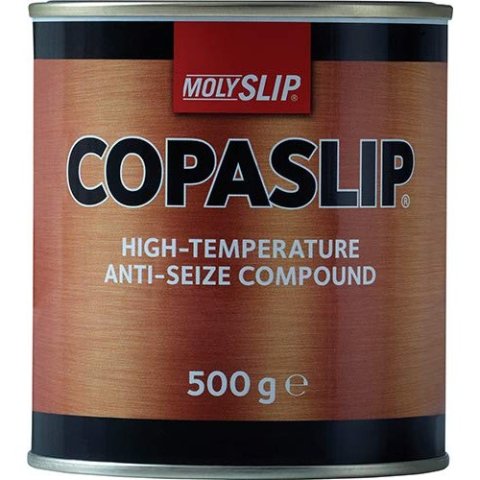 MOLYSLIP COPASLIP High Temperature Anti-Seize Copper Grease Tin, 500g
£17.27
In stock
MOLYSLIP COPASLIP High Temperature Anti-Seize Copper Grease Tin, 500g
£17.27
In stock
 ZDBB Copper Anti-Seize Grease 8oz Brush Top Bottle
£16.99
In stock
ZDBB Copper Anti-Seize Grease 8oz Brush Top Bottle
£16.99
In stock
FAQ
Can I use copper grease on brake caliper pins?
Do not use copper grease as the default for caliper pins. Slider pins often sit beside rubber boots or bushes, so choose a brake/caliper grease that clearly supports that use and material compatibility.
Can copper grease go on the back of brake pads?
Some products are marketed for pad backs or anti-squeal contact points, but use only a tiny amount where the label allows it. Never apply it to the friction material that contacts the disc or drum.
Is anti-seize the same as copper grease?
Copper grease is one common type of anti-seize compound, but anti-seize is the broader job category. Some anti-seize products are copper-based; others use different solids or ceramic formulas.
Should I grease wheel bolts or studs?
Not unless the vehicle or wheel guidance says to. Lubrication can change how much clamp force a torque setting creates, so wheel fasteners are not a place to improvise.
What if grease gets on a brake disc or pad?
Stop and treat it as contamination. A disc may be cleaned with the correct brake cleaner if the product and condition allow it, but contaminated pads may need inspection or replacement.
Do I need brake cleaner before brake grease?
Often yes. Grease should go onto clean contact points, not over old dust, rust and residue. Use a brake-safe cleaner for brake parts and let the area dry before applying grease.
MotorStash buying note: Use this guide to choose the product type, then check the live product page for exact label guidance, pack size, compatibility and current availability. Brake systems are safety-critical, so do not use grease to hide a mechanical fault, fluid leak, uneven pad wear, seized caliper or unknown contamination.