

Engine bay product guide
Use the cleaner for tidy grime, the degreaser for oily residue, and the dressing after cleaning
Engine bay cleaner and engine degreaser are often sold side by side, but they are not always the same job. The cleaner is usually the better starting point for dust, road film and light grime. A degreaser is for oilier residue, older grease and parts that need more bite. Dressing is the finishing step once the bay is clean and dry.
Quick answer
Start with engine bay cleaner for general grime. Step up to degreaser when the dirt is oily.
If the bay is dusty or lightly dirty, browse engine bay cleaners and engine bay cleaner sprays. If you are dealing with oil, grease, old residue or removed parts, compare degreasers and engine cleaners and degreasers. Use engine dressing only after cleaning, rinsing or wiping, and drying the area.
Best first choice for dust, road film, light grime and routine under-bonnet tidying.
Use for oily deposits, greasy parts, older residue and jobs where a mild cleaner is not enough.
Use after cleaning to refresh plastic and rubber finishes where the product label allows it.
The practical difference is soil level and surface risk
The names overlap because many products sit between a general engine bay cleaner and a dedicated degreaser. Instead of choosing by the loudest label, choose by what you are cleaning. Light grime needs controlled cleaning. Oil and grease need degreasing power. Freshly cleaned plastics and rubber may need a finishing dressing.
Choose engine bay cleaner
For light grime, dust, road film and routine cleaning around visible engine bay surfaces.
Browse engine bay cleanersChoose engine degreaser
For oily residue, old grease, dirty parts and areas where a normal cleaner will struggle.
Compare degreasersChoose engine dressing
For a cleaner finish on suitable plastic and rubber once the engine bay is already clean and dry.
Browse engine bay dressingsProducts to compare
Engine bay cleaners to compare
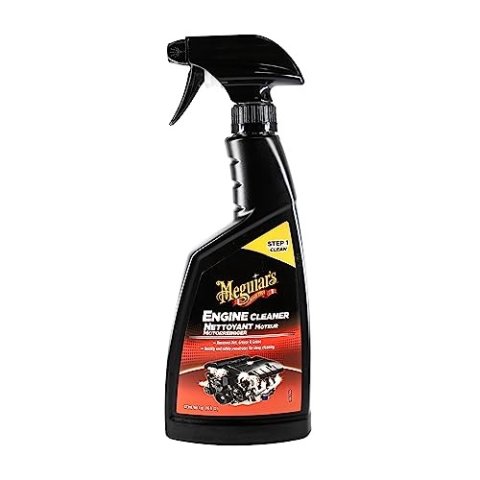


| Product type | Use it for | Be careful with |
|---|---|---|
| Engine bay cleaner | Light dirt, dusty plastic covers, general bay cleaning and quick pre-sale tidying. | Do not assume it will remove old oil or heavy grease without agitation or a stronger product. |
| Engine degreaser | Oily deposits, greasy parts, workshop cleaning and areas where residue needs more chemical help. | Painted, plated, rubber, plastic and electrical areas; follow dwell, rinse and surface guidance on the label. |
| Engine cleaner degreaser | Mixed jobs where the product is positioned for both general cleaning and oily residue. | Read the label rather than relying on the combined name; strength and surface suitability still vary. |
| All-purpose cleaner | Some light grime and non-oily surfaces when the product label allows engine bay use. | Oily residue, older grease and areas that need dedicated degreasing power. |
| Engine dressing | Refreshing the look of suitable plastic, rubber and trim after cleaning. | Dirty or greasy surfaces; dressing is not a substitute for cleaning or leak diagnosis. |
Application format
Spray cleaners are easiest when control matters
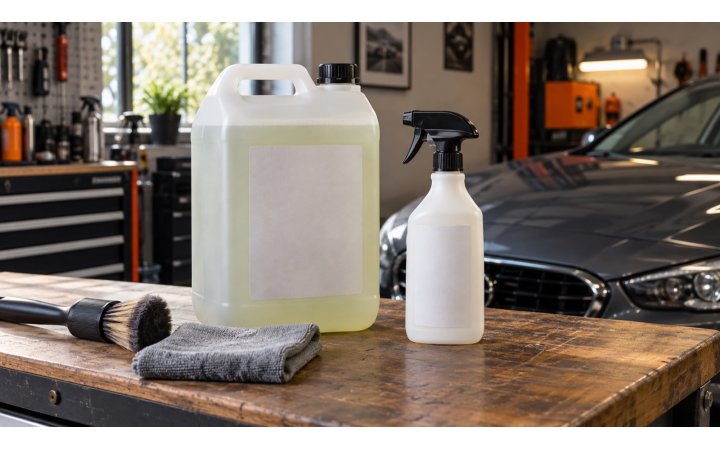
A ready-to-use spray is usually the safest starting point for a normal DIY engine bay tidy. It is easier to aim, easier to stop, and easier to use around trims, covers and awkward corners than a large open container.
Use the spray format when the job is mostly visible grime rather than a thick layer of grease. If the first pass does not shift oily residue after label-led dwell time and gentle brushing, that is when a stronger engine cleaner spray or degreaser category makes more sense.
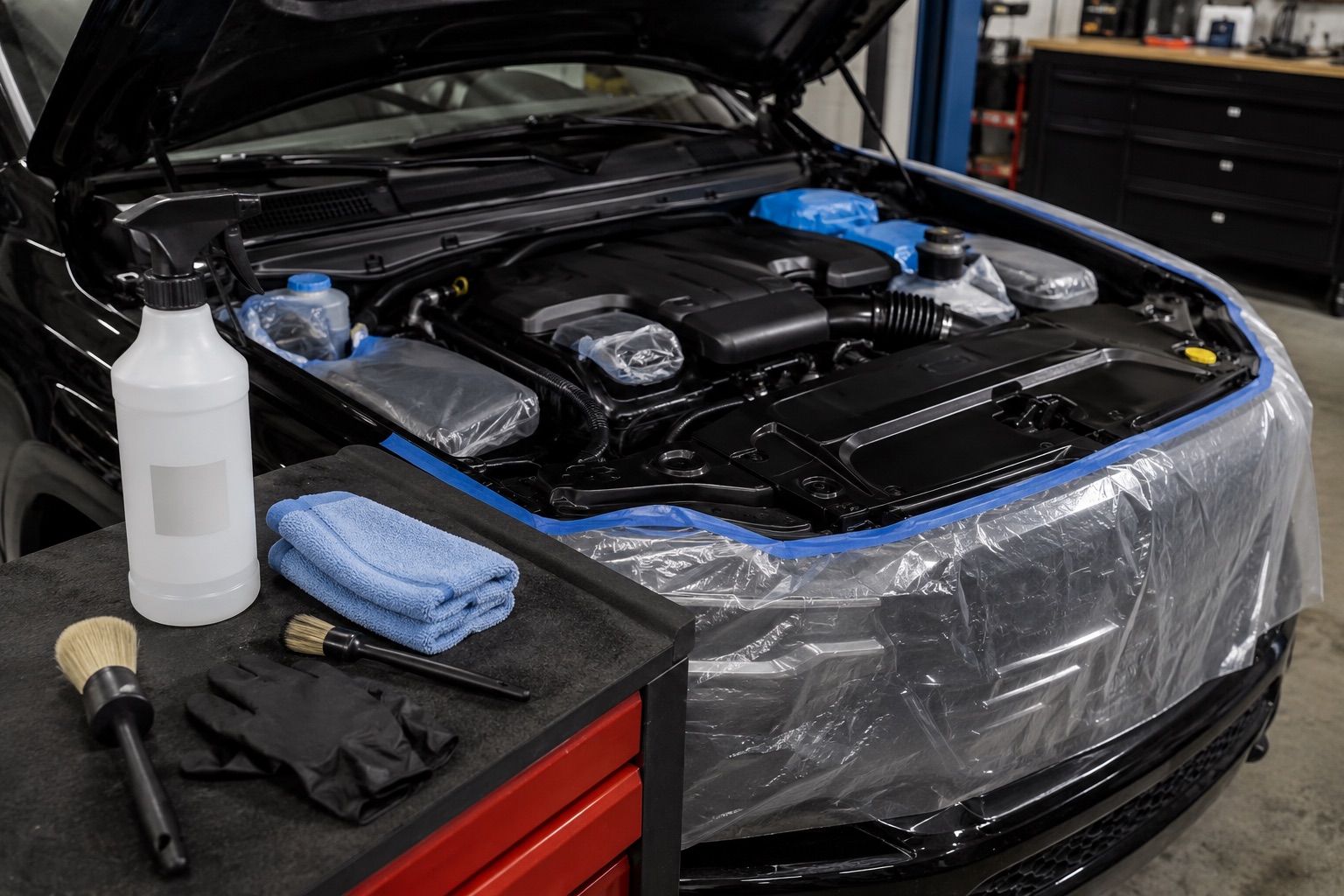
Prep first
Do not treat every engine bay like a parts washer
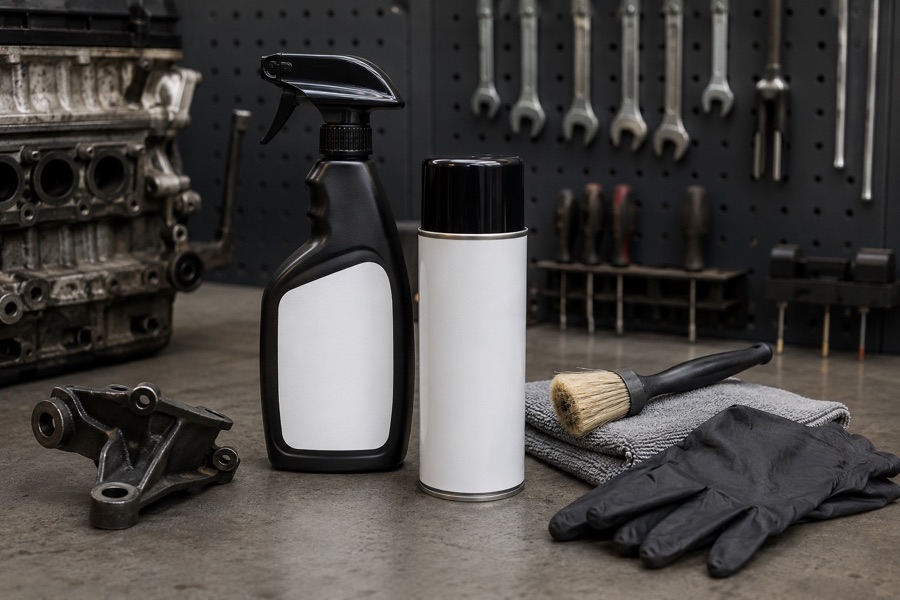
A degreaser can be the right product for oily areas, but the engine bay still contains sensitive components. Work with the engine off and cool enough for the product label, keep water controlled, and avoid forcing cleaner or rinse water into electrical connectors, sensors, alternators, battery terminals or open intakes.
If a product says to cover sensitive parts, wipe overspray, limit dwell time or rinse in a specific way, follow that label. Manufacturer guidance is more important than any generic cleaning routine.
Products to compare
Degreasers for oilier jobs
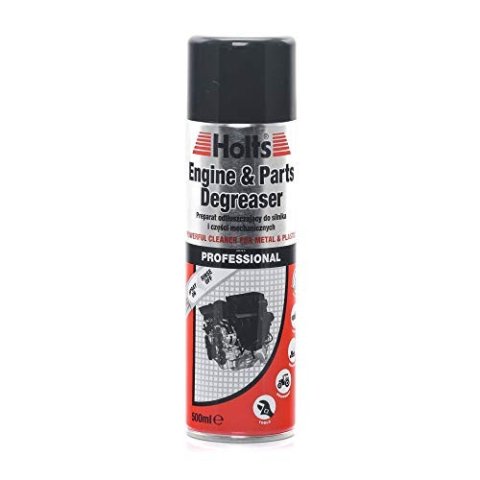 Holts Engine Degreaser Spray 500ml
£8.44
Holts Engine Degreaser Spray 500ml
£8.44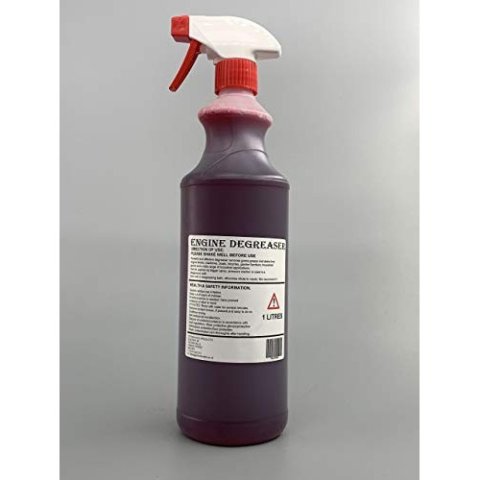 Showtime Chemicals Concentrate Engine Degreaser, 1 Litre Trigger
£6.85
In stock
Showtime Chemicals Concentrate Engine Degreaser, 1 Litre Trigger
£6.85
In stock
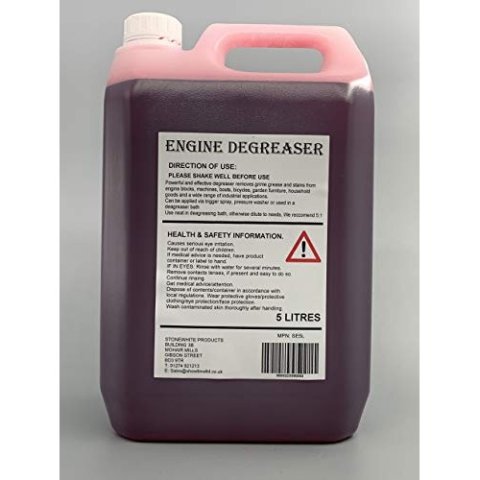 Showtime Chemicals Concentrate Engine Degreaser and Parts Washer Fluid, 5 Litres
£10.97
In stock
Showtime Chemicals Concentrate Engine Degreaser and Parts Washer Fluid, 5 Litres
£10.97
In stock
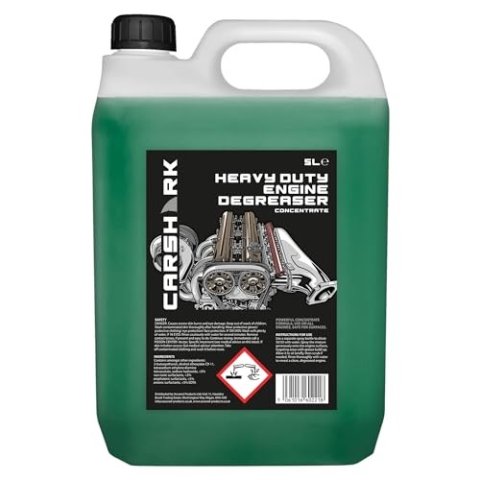 CARSHARK Heavy Duty Engine Degreaser Concentrate, 5 Litre
£15.99
In stock
CARSHARK Heavy Duty Engine Degreaser Concentrate, 5 Litre
£15.99
In stock
When to step up from cleaner to degreaser
Use a degreaser when the dirt has an oily feel, when old grease has built up around parts, or when you are cleaning removed components away from sensitive areas. For one engine bay, a spray or aerosol may be enough. For repeated work, concentrates and 5L packs can make more sense if you have the storage, tools and discipline to mix and use them properly.
A clean engine bay can make fresh leaks and residue easier to notice, but cleaning is not a repair. If oil, brake fluid, coolant or fuel residue returns quickly, treat that as a mechanical issue and get it checked.
Surface checks
Match the product to plastic, rubber, painted metal and bare metal
Engine bays are a mix of materials, and a product that is fine on one part may be a poor fit for another. Check label compatibility with painted metal, plated metals, aluminium, rubber hoses, plastics, insulation, belts and trim.
When you are unsure, test a small area, shorten dwell time, use gentle brush agitation and rinse or wipe in a controlled way. Avoid letting strong product dry on a surface unless the label specifically says that is acceptable.
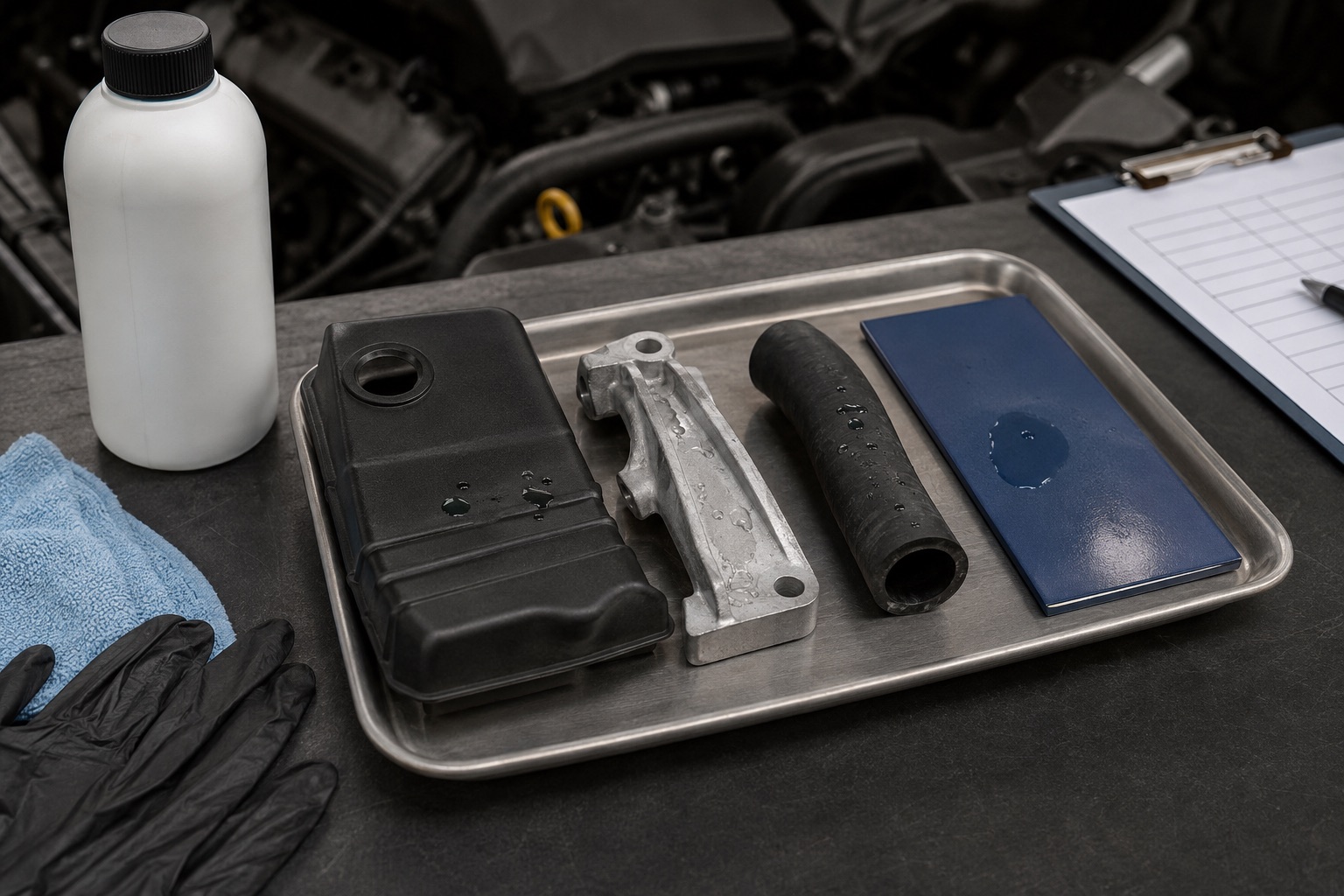
Dressing note
Engine dressing is a finish step, not a shortcut.
Use engine dressings after the cleaning stage, when suitable plastic or rubber areas are clean and dry. Dressing can improve the finished look, but it should not be used to hide active leaks, wet residue or dirt that still needs cleaning.
Buyer checklist before you choose
Soil level
Dust and road film point to cleaner. Oily residue and old grease point to degreaser.
Surface type
Check plastics, rubber, painted metal, plated metal and aluminium before applying stronger products.
Application control
Sprays suit careful DIY use. Concentrates and 5L packs suit repeat cleaning and refills.
Dwell and rinse
Follow the label for dwell time, brush agitation, wipe-down and low-pressure rinsing.
Sensitive areas
Protect or avoid intakes, wiring, sensors, battery terminals and other exposed electrical areas.
Finish
Only use dressing after cleaning, and only on surfaces the dressing label supports.
Products to compare
Engine bay dressings and finishing products
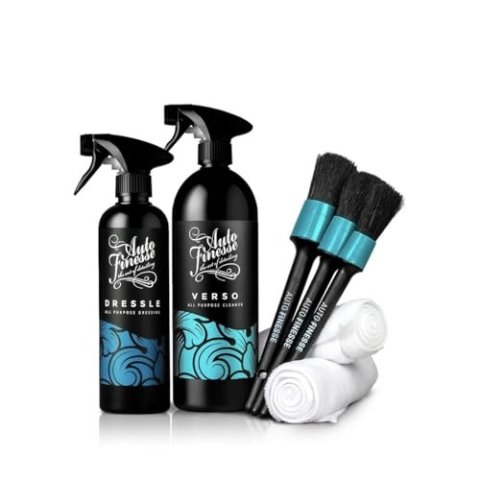 Auto Finesse Engine Bay Cleaning Kit with Degreaser, Dressing and Brushes
£42.95
In stock
Auto Finesse Engine Bay Cleaning Kit with Degreaser, Dressing and Brushes
£42.95
In stock
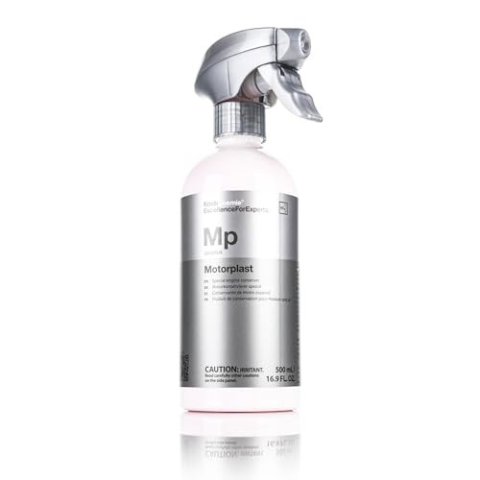 Koch-Chemie Motorplast engine conserver, naturally shiny finish, 500 ml
£14.00
In stock
Koch-Chemie Motorplast engine conserver, naturally shiny finish, 500 ml
£14.00
In stock
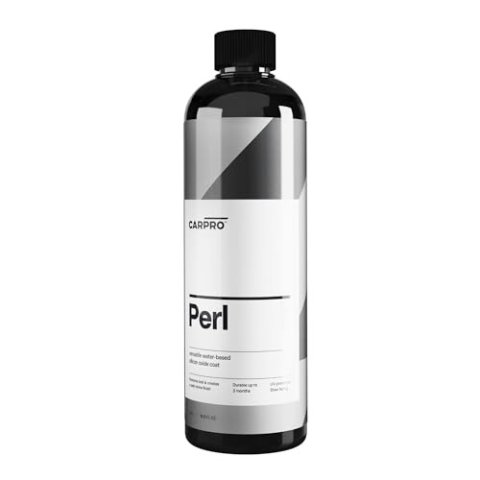 CarPro PERL 500mL water-based dressing for plastic, rubber and leather
£18.00
In stock
CarPro PERL 500mL water-based dressing for plastic, rubber and leather
£18.00
In stock
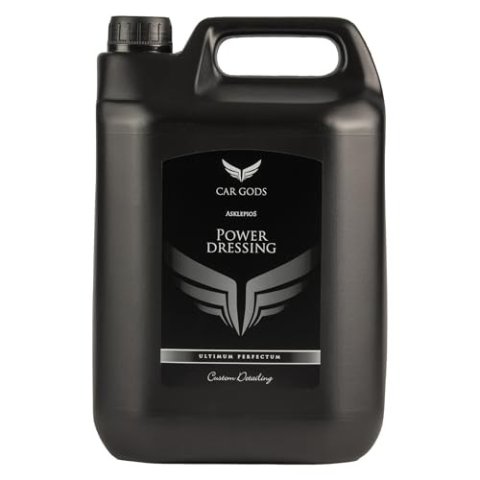 Car Gods Power Dressing 5L for Plastic Trims and Engine Bays
£44.99
In stock
Car Gods Power Dressing 5L for Plastic Trims and Engine Bays
£44.99
In stock
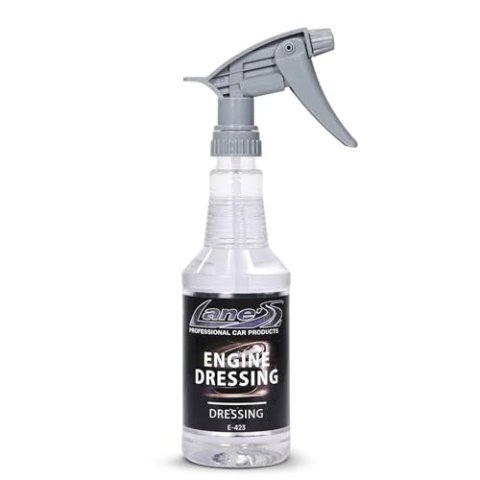 LANE'S Engine Dressing 16 oz Engine Bay Cleaner and Protector
£42.86
In stock
LANE'S Engine Dressing 16 oz Engine Bay Cleaner and Protector
£42.86
In stock
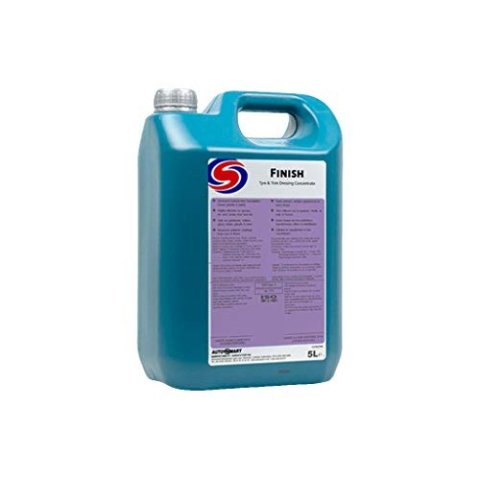 Autosmart Finish Interior, Trim, Tyre and Engine Dressing Shine Concentrate, 5L
£68.90
In stock
Autosmart Finish Interior, Trim, Tyre and Engine Dressing Shine Concentrate, 5L
£68.90
In stock
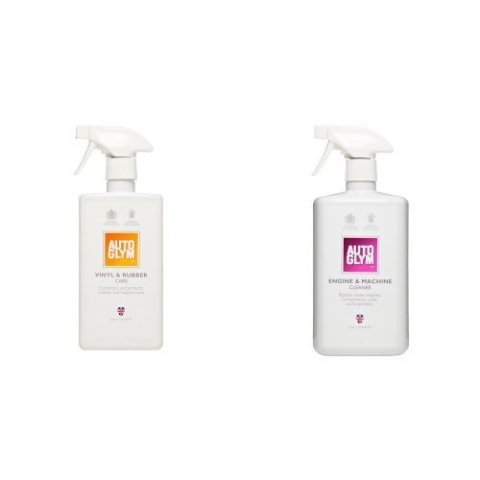 Auto Glym Vinyl and Rubber Care 500ml + Machine Cleaner 1 Litre
£21.80
In stock
Auto Glym Vinyl and Rubber Care 500ml + Machine Cleaner 1 Litre
£21.80
In stock
FAQ
Is engine bay cleaner the same as engine degreaser?
Sometimes the names overlap, but they are not automatically the same strength or use case. Treat engine bay cleaner as the routine-cleaning category and degreaser as the oily-residue category unless the product label says otherwise.
Can I use engine degreaser on plastic covers?
Only if the label supports that surface. Many engine bays include plastic covers, rubber hoses, painted panels and plated parts, so compatibility matters more than the product name.
Should I pressure wash an engine bay?
Be cautious. High-pressure water can push moisture into places it should not go. For many DIY jobs, controlled spraying, brushing and low-pressure rinsing or wiping is the more sensible route.
When should I use engine dressing?
Use dressing after the cleaning stage, when suitable surfaces are clean and dry. It is for finish and appearance, not for removing grease.
Do I need a brush as well as cleaner?
Often, yes. Light grime may wipe away, but oily residue usually needs dwell time and gentle agitation with a suitable brush.
Where should I browse next?
Start with engine bay cleaners for routine cleaning, degreasers for oily residue, or engine bay dressings for the finishing stage.
Final recommendation
For a tidy engine bay, buy by job: cleaner first, degreaser only when needed, dressing last.
If the bay is just dusty or lightly grimy, start with a controlled engine bay cleaner spray. If the residue is oily or old, compare degreasers and use the label to guide dwell, brushing and rinse method. Once the bay is clean and dry, use dressing only where the product is meant for that surface.