

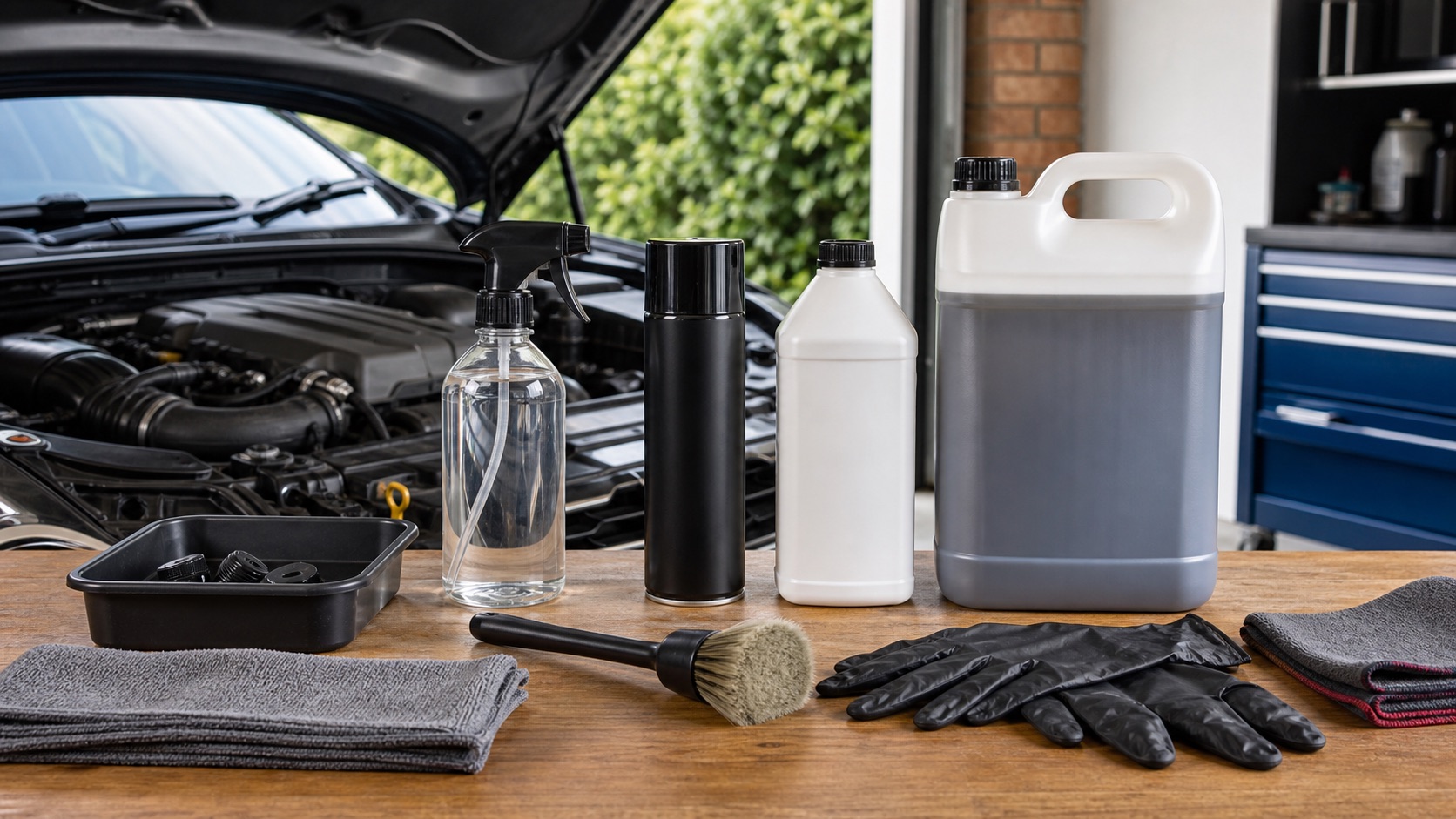
Engine degreaser guide
Choose the format before you choose the brand
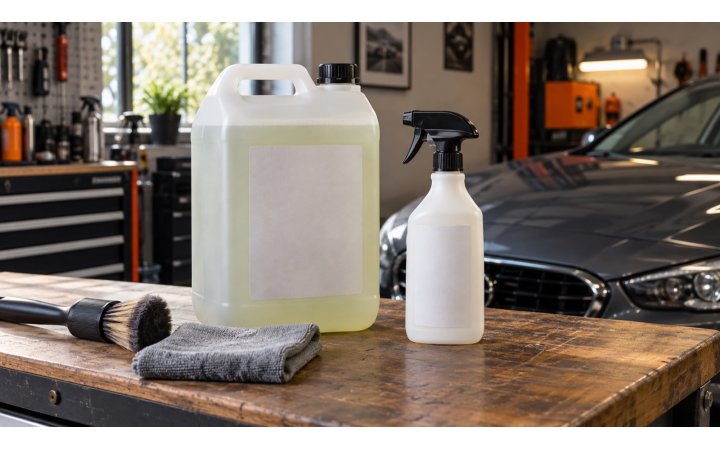
A small spray can be right for a quick engine-bay tidy, while a concentrate or 5L bottle makes more sense for repeated cleaning, workshop use or oily parts away from the car.
Quick answer
For one car, start with a ready-to-use spray. For repeat jobs, compare concentrate or 5L.
If you are cleaning a visible engine bay before selling a car, checking for leaks or removing light oily residue, a controlled trigger spray is usually the simplest starting point. If you refill bottles, clean multiple vehicles or work on removed parts, browse MotorStash degreasers and larger packs first.
Best first choice for controlled application around plastics, trims and awkward engine-bay corners.
Better for regular use when you want flexible dilution and more product per bottle.
Most useful for workshops, refills, parts cleaning and buyers who clean often enough to use the volume.
Pick by the job you are actually doing
Engine degreaser searches often mix three different buyers: someone cleaning one engine bay, someone comparing heavy-duty cleaners, and someone buying bulk fluid for regular work. The right format depends on which group you are in.
Choose spray
For one car, small oily areas, simple storage and careful application around sensitive parts.
Compare engine cleaner spraysChoose concentrate
For repeated cleaning, adjustable strength and users who already have sprayers, brushes and storage space.
Compare degreasersChoose 5L
For workshops, multi-vehicle cleaning, parts benches and refilling smaller bottles from one larger pack.
Browse engine cleanersProducts to compare
Ready-to-use engine degreasers to compare
| Format | Best for | Watch out for |
|---|---|---|
| Trigger spray | Controlled application around an engine bay, small parts and targeted oily areas. | Can run out quickly if you are cleaning several vehicles or large areas. |
| Aerosol spray | Fast application, tight areas and users who want a ready-to-use can. | Use with ventilation and follow the label around heat, sparks and electrical areas. |
| Concentrate | Regular users who want flexibility and better value across multiple jobs. | Do not guess dilution or surface compatibility; follow the product label. |
| 5L bottle | Workshops, repeat cleaning, parts washers or buyers who refill smaller bottles. | Only makes sense if you will use it often and can store it safely. |
| Foam | Light grime where cling time helps, if the label says it suits the surface. | Many foams are general cleaners, not dedicated oily-engine degreasers. |
Spray format
When a spray engine degreaser is enough
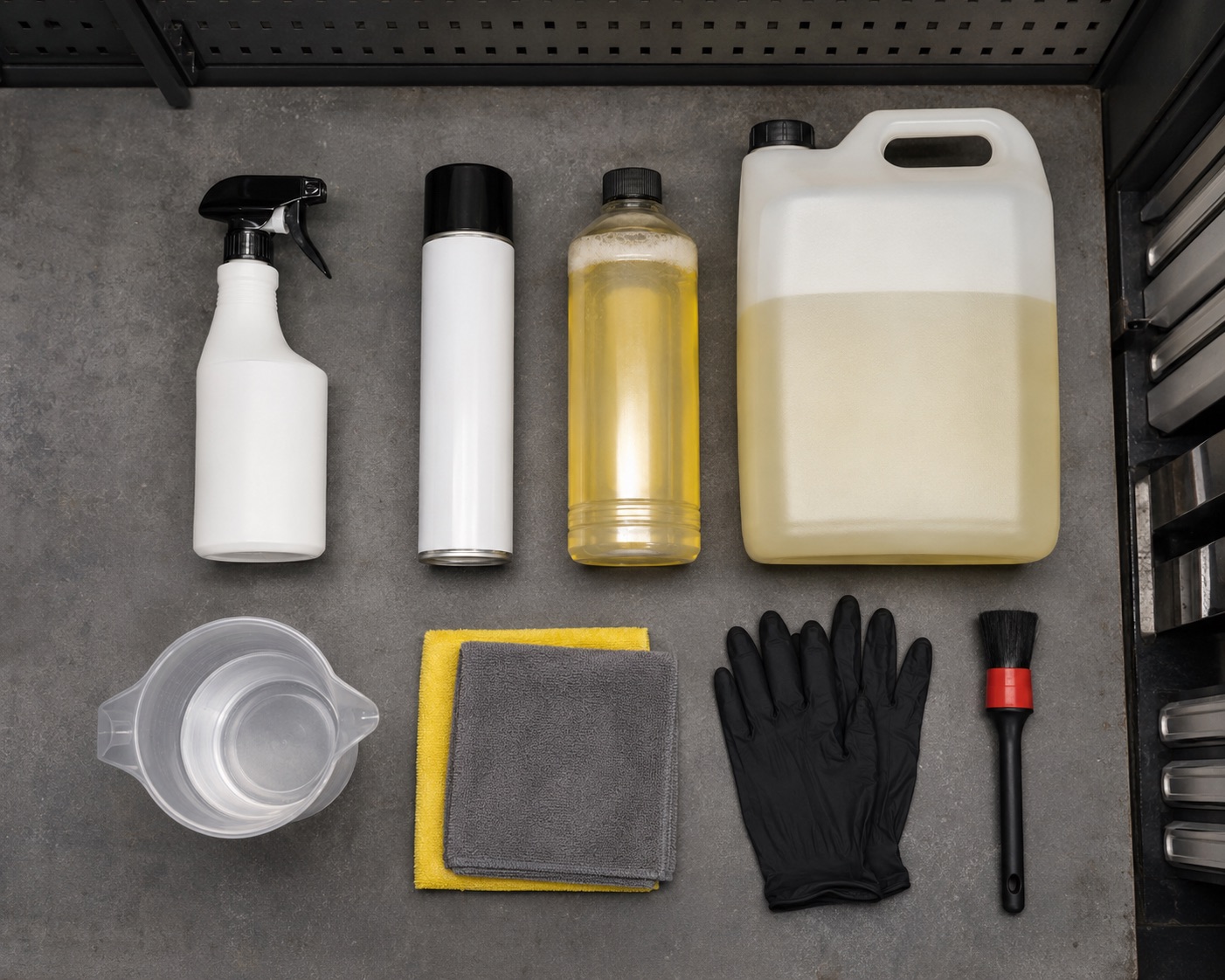
Choose a ready-to-use spray when you want a simple product for one car, one engine bay or a small oily area. Trigger sprays give better control when you are working around plastics, trims and awkward corners.
A spray is usually the easiest starting point if you are cleaning before selling a car, checking for leaks or removing greasy residue from visible engine-bay surfaces. It is also the best choice when you do not want to mix a concentrate or store a larger bottle.
Bulk format
When concentrate or 5L makes more sense
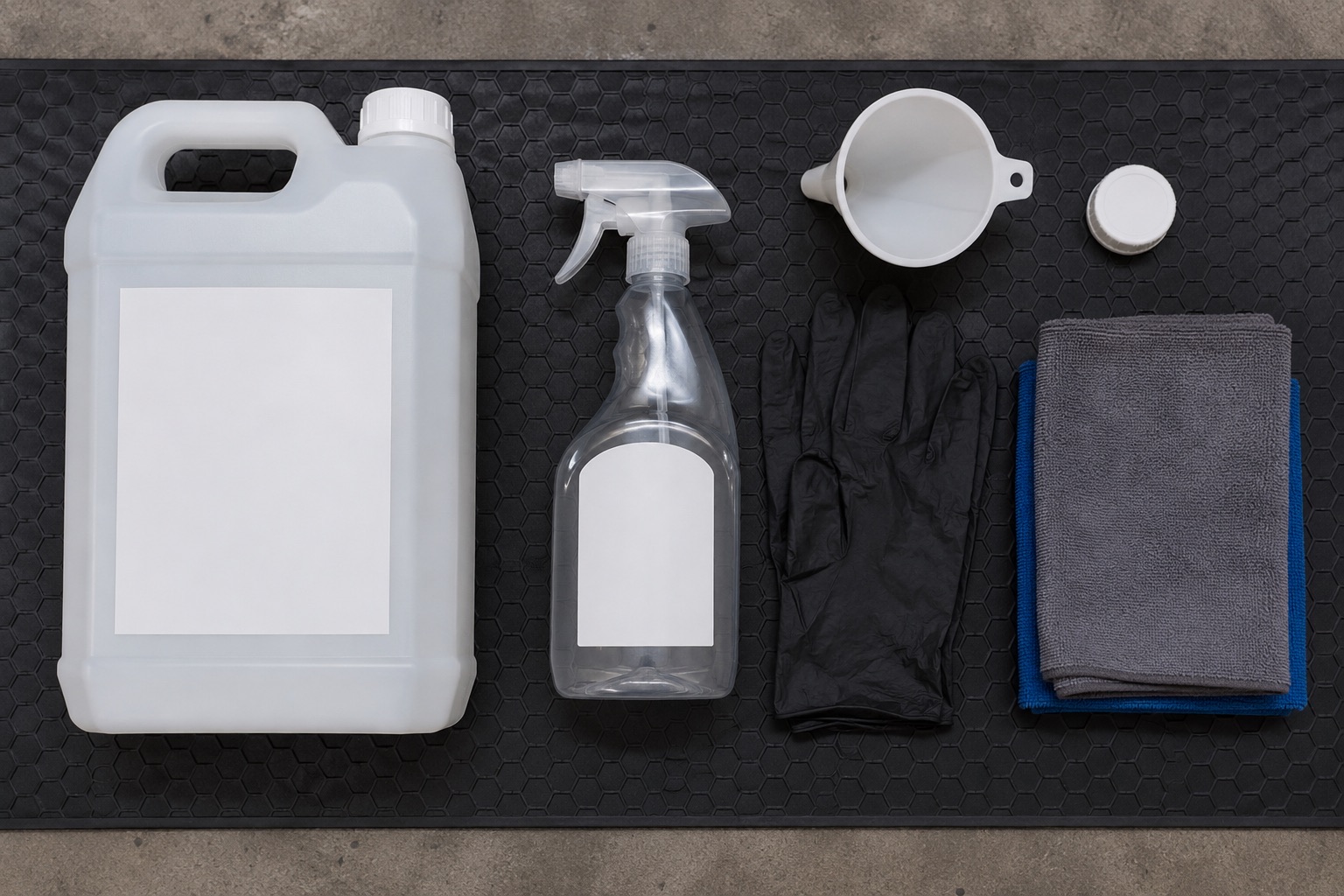
Concentrates and 5L packs are better when the job is repeated or larger than a quick tidy. They suit buyers who clean multiple vehicles, refill trigger bottles, work on removed parts, or need a stronger degreaser workflow around a workshop bench.
The trade-off is responsibility. Concentrates need label-led mixing, proper storage and careful surface checks. A 5L bottle can be better value only if you will use it often enough.
Products to compare
Concentrate and 5L options for bigger jobs
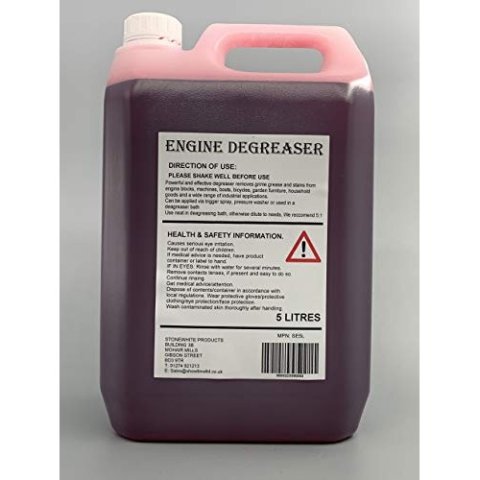 Showtime Chemicals Concentrate Engine Degreaser and Parts Washer Fluid, 5 Litres
£10.97
In stock
Showtime Chemicals Concentrate Engine Degreaser and Parts Washer Fluid, 5 Litres
£10.97
In stock
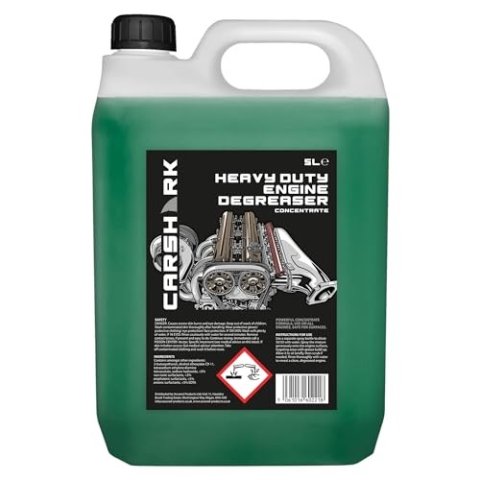 CARSHARK Heavy Duty Engine Degreaser Concentrate, 5 Litre
£15.99
In stock
CARSHARK Heavy Duty Engine Degreaser Concentrate, 5 Litre
£15.99
In stock
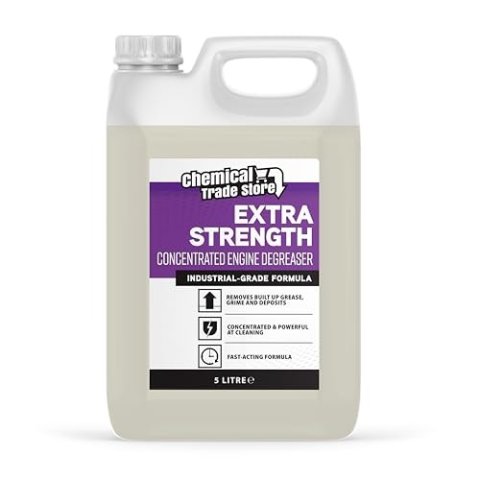 Chemical Trade Store Concentrated Engine Degreaser and Parts Washer Fluid, 5 L
£15.49
In stock
Chemical Trade Store Concentrated Engine Degreaser and Parts Washer Fluid, 5 L
£15.49
In stock
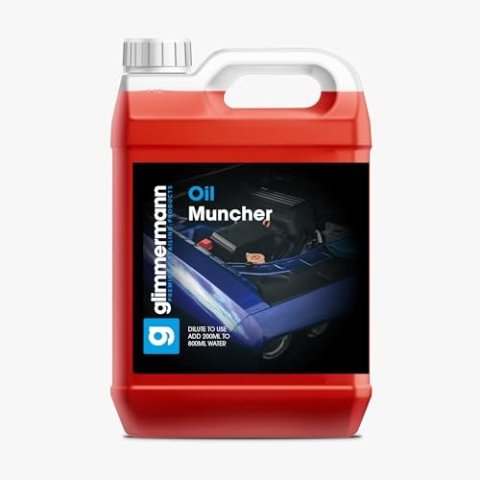 Glimmermann Oil Muncher Water Based Degreaser and Engine Cleaner 5L
£16.99
In stock
Glimmermann Oil Muncher Water Based Degreaser and Engine Cleaner 5L
£16.99
In stock
Foam note
Foam helps with cling time, but it is not automatically stronger.
Many foam products are all-purpose cleaners or interior/exterior cleaners, so check whether the label actually supports oily engine-bay use. If the grime is mostly dust, light residue or road film, a suitable foam may be enough. If you are dealing with oil, grease or older deposits, start your comparison in degreasers.
Safety and surface checks before you buy
Engine degreasers are chemical cleaners, so the label matters more than any generic guide. Before applying one around an engine bay, check whether the engine should be cool, whether electrical components or intake openings need covering, how long the product should dwell, and how it should be rinsed or wiped away.
Soil type
Light dust and road film need a different product from oily residue or old grease.
Surface type
Check compatibility with painted metal, plated metals, rubber, plastics and hoses.
Application style
Trigger spray for control, aerosol for convenience, concentrate for repeat use.
Rinse method
Follow the label and keep water controlled around sensitive areas.
Tools
A soft detailing brush or parts brush often matters as much as the cleaner.
Storage
Keep larger or solvent-based products safely stored away from heat and ignition sources.
Engine bay care
Use controlled cleaning around sensitive areas
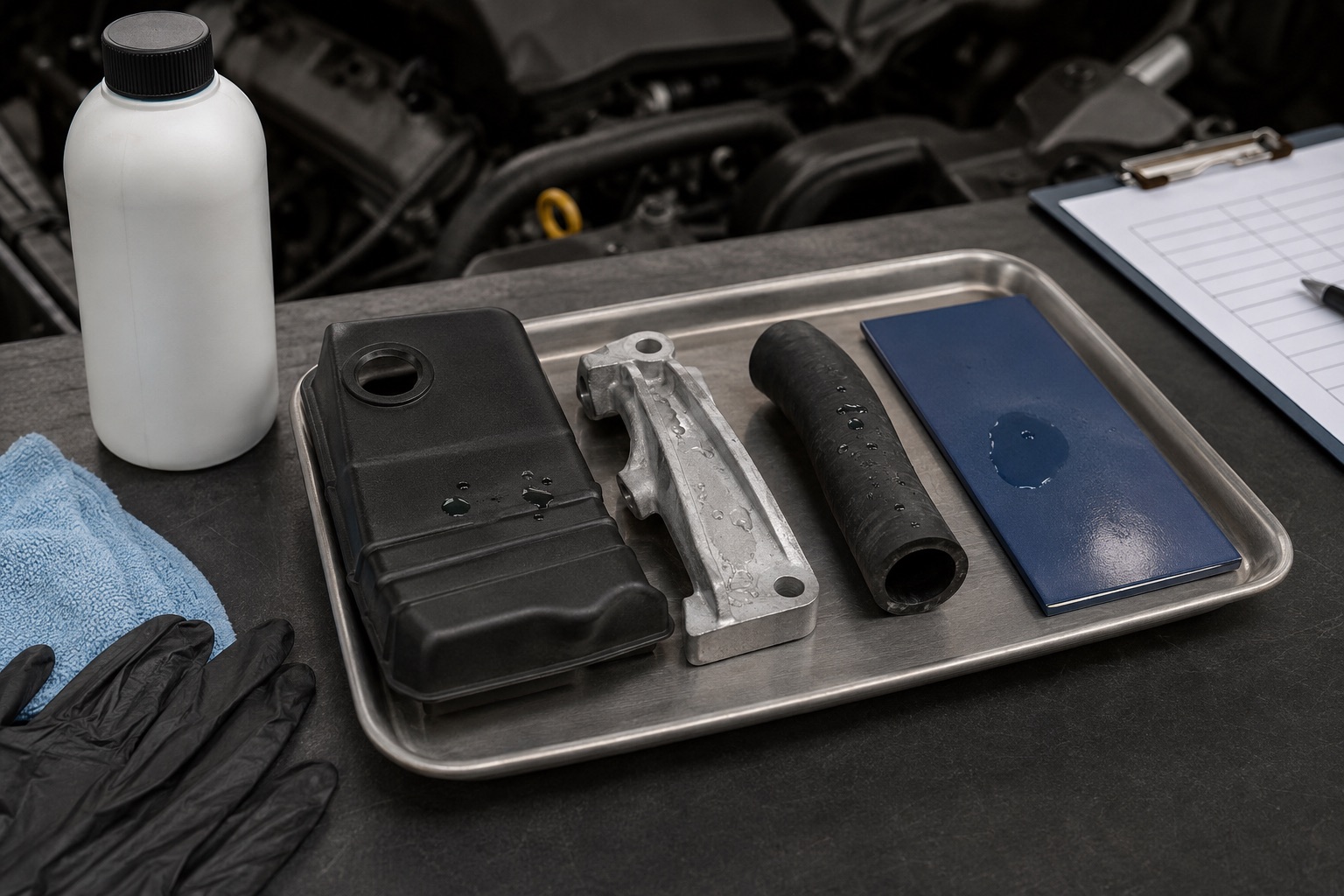
Be especially careful with high-pressure water around electrical connections, sensors, battery terminals, open air intakes and older wiring. For many DIY jobs, controlled application, brush agitation and a careful low-pressure rinse or wipe-down are more sensible than blasting the whole bay.
If you are unsure about a surface, test carefully, reduce dwell time and stop before forcing cleaner or water into parts that were not meant to be soaked.
Products to compare
More engine degreaser options
 Motacare Professional Engine and Parts Degreaser, 1 Pack
£5.86
In stock
Save 4%
Motacare Professional Engine and Parts Degreaser, 1 Pack
£5.86
In stock
Save 4% 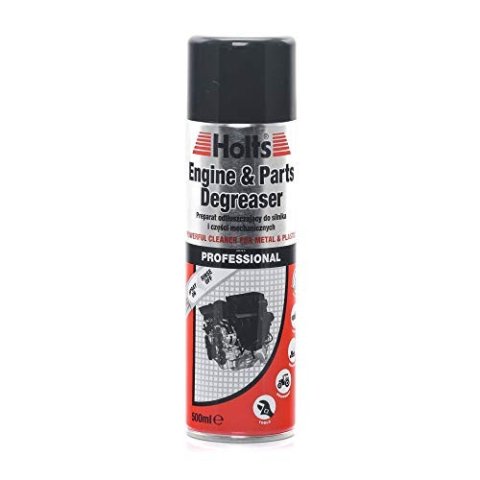 Holts Engine Degreaser Spray 500ml
£8.44
Holts Engine Degreaser Spray 500ml
£8.44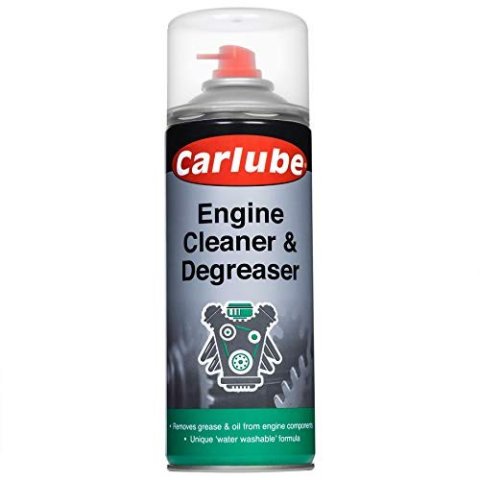 Carlube CED412 Engine Cleaner & Degreaser 400ml
£7.53
In stock
Carlube CED412 Engine Cleaner & Degreaser 400ml
£7.53
In stock
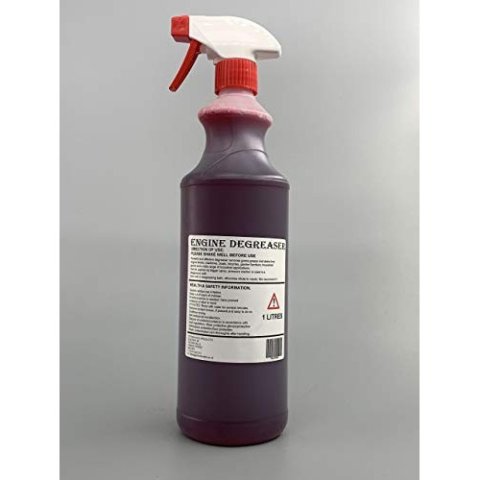 Showtime Chemicals Concentrate Engine Degreaser, 1 Litre Trigger
£6.85
In stock
Showtime Chemicals Concentrate Engine Degreaser, 1 Litre Trigger
£6.85
In stock
 Astonish C1606 750ml Engine Degreaser
£6.87
In stock
Save 13%
Astonish C1606 750ml Engine Degreaser
£6.87
In stock
Save 13% 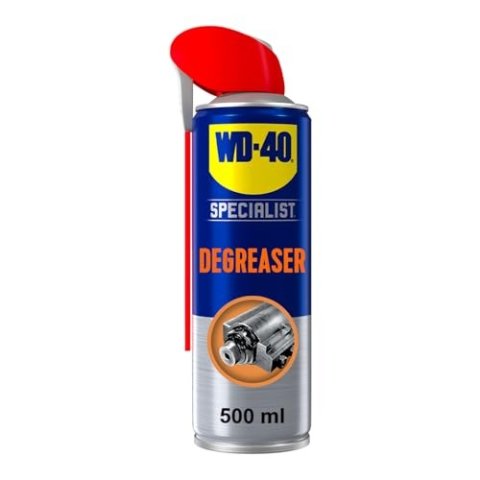 WD-40 Specialist Degreaser Spray 500ml with Smart Straw
£9.49
WD-40 Specialist Degreaser Spray 500ml with Smart Straw
£9.49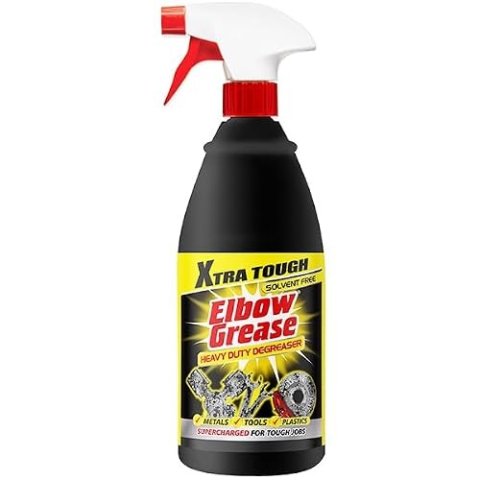 Xtra Tough Elbow Grease Heavy-Duty Engine Degreaser Spray, Solvent Free, 1L
£8.19
In stock
Xtra Tough Elbow Grease Heavy-Duty Engine Degreaser Spray, Solvent Free, 1L
£8.19
In stock
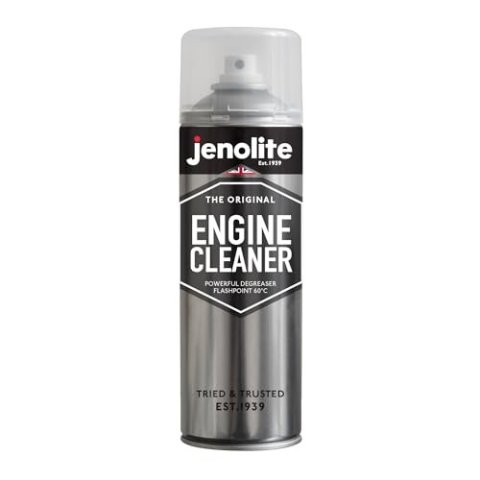 JENOLITE Engine Cleaner Aerosol 500ml Degreaser Spray
£12.99
In stock
JENOLITE Engine Cleaner Aerosol 500ml Degreaser Spray
£12.99
In stock
FAQ
What is the best engine degreaser format for most DIY buyers?
A ready-to-use trigger spray is usually the simplest starting point. It is easy to apply, does not need mixing and gives enough control for normal engine-bay cleaning.
Is 5L engine degreaser better value?
It can be, but only when you will use the volume. A 5L bottle is useful for workshops, repeat cleaning, refilling sprayers or parts cleaning.
Should I use a pressure washer on an engine bay?
Be cautious. High-pressure water can push moisture into sensitive areas. Follow the cleaner label and your vehicle guidance, then use controlled rinsing.
Can I use all-purpose cleaner instead?
Sometimes, for light grime. For oily residue, old grease or parts cleaning, a dedicated degreaser is usually the better category to compare.
Do I need a brush?
Often, yes. Many oily deposits need agitation after the product has had time to work. Use a suitable brush for the surface.
Where should I browse next?
Use engine cleaner sprays for simple ready-to-use formats, engine cleaners and degreasers for the wider category, or engine care for adjacent maintenance products.
Final recommendation
For one car, buy small and controlled. For repeat work, buy by volume and workflow.
For one car and a light-to-medium engine bay clean, start with a ready-to-use spray. For repeated work, heavy grease or workshop use, compare concentrates and 5L packs. For foam, check the label carefully and use it only where the product is suited to the surface and soil type.