

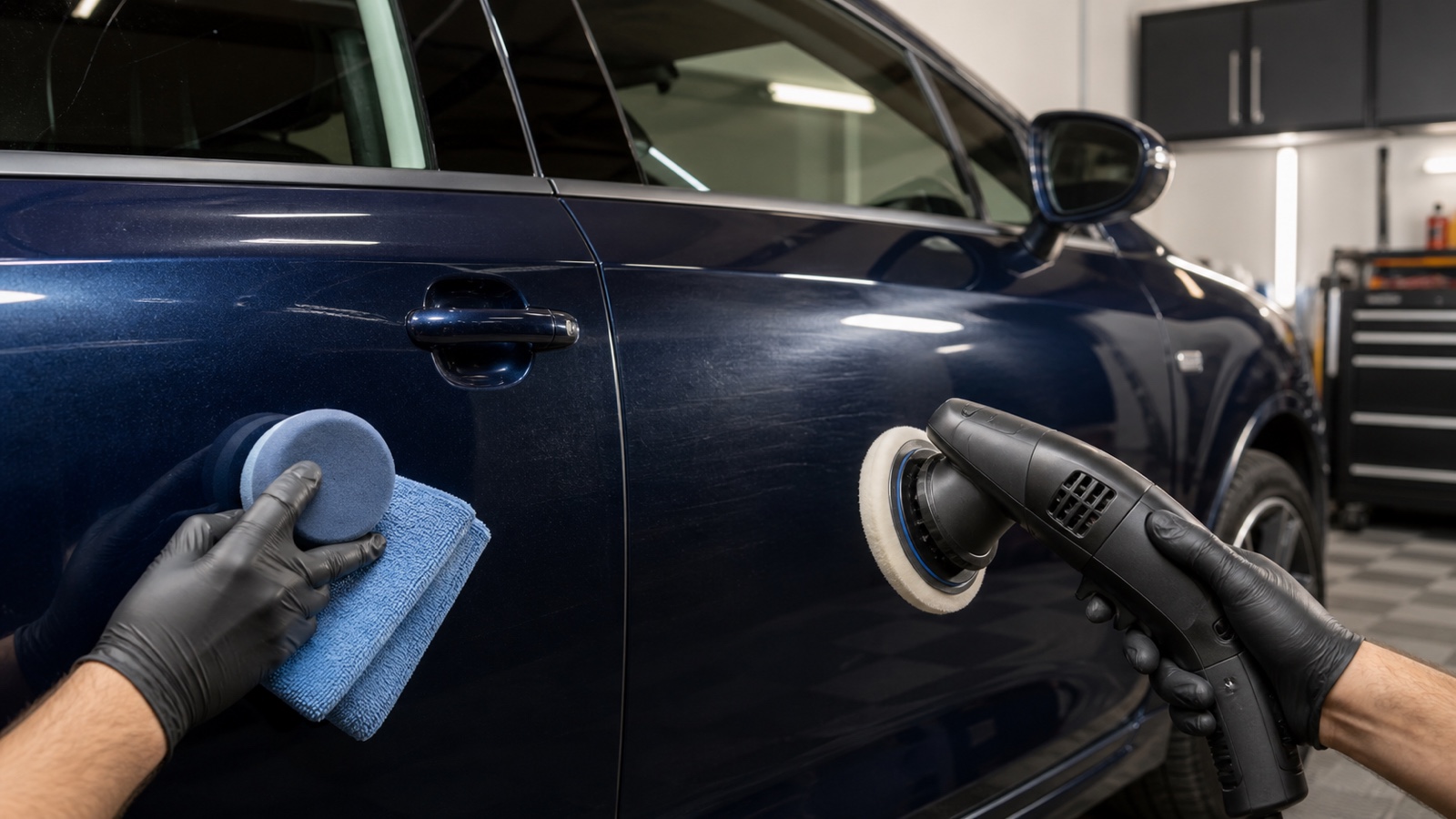
Hand pad or powered machine?
Choose the method after you inspect the paint, not before
Hand polishing suits small areas and modest cosmetic improvement. A machine covers larger panels more consistently and can deliver more correction, but it also demands compatible pads, careful preparation and controlled technique. Some damage should not be polished at all.
Quick answer
Polish by hand for a small, light job. Consider a dual-action machine for broader correction. Stop when the damage is deeper than the clear coat or the paint history is uncertain.
If you want to improve gloss on a small area, apply a hand-compatible product or test a very light mark, the hand route keeps the setup simple. If several panels have visible swirls or haze, a compatible machine, pad and polish can work more evenly. A scratch that catches a fingernail, exposes another colour or sits on a thin edge needs inspection rather than a more aggressive product.
Light haze and isolated marks are a different decision from deep scratches, peeling clear coat or missing paint.
A hand applicator can make sense for one small section. A whole vehicle asks for more consistency and much more time.
A powered machine is not an automatic shortcut. Pad fit, product choice, clean tools and a test section still decide the result.
Start with the mark you can see
Polishing is a controlled surface-refinement process. Depending on the product, pad and method, it can reduce fine defects by levelling a small amount of the upper paint or clear-coat surface. That is why the first question is not which polisher has the most power. It is whether the mark is suitable for polishing at all.
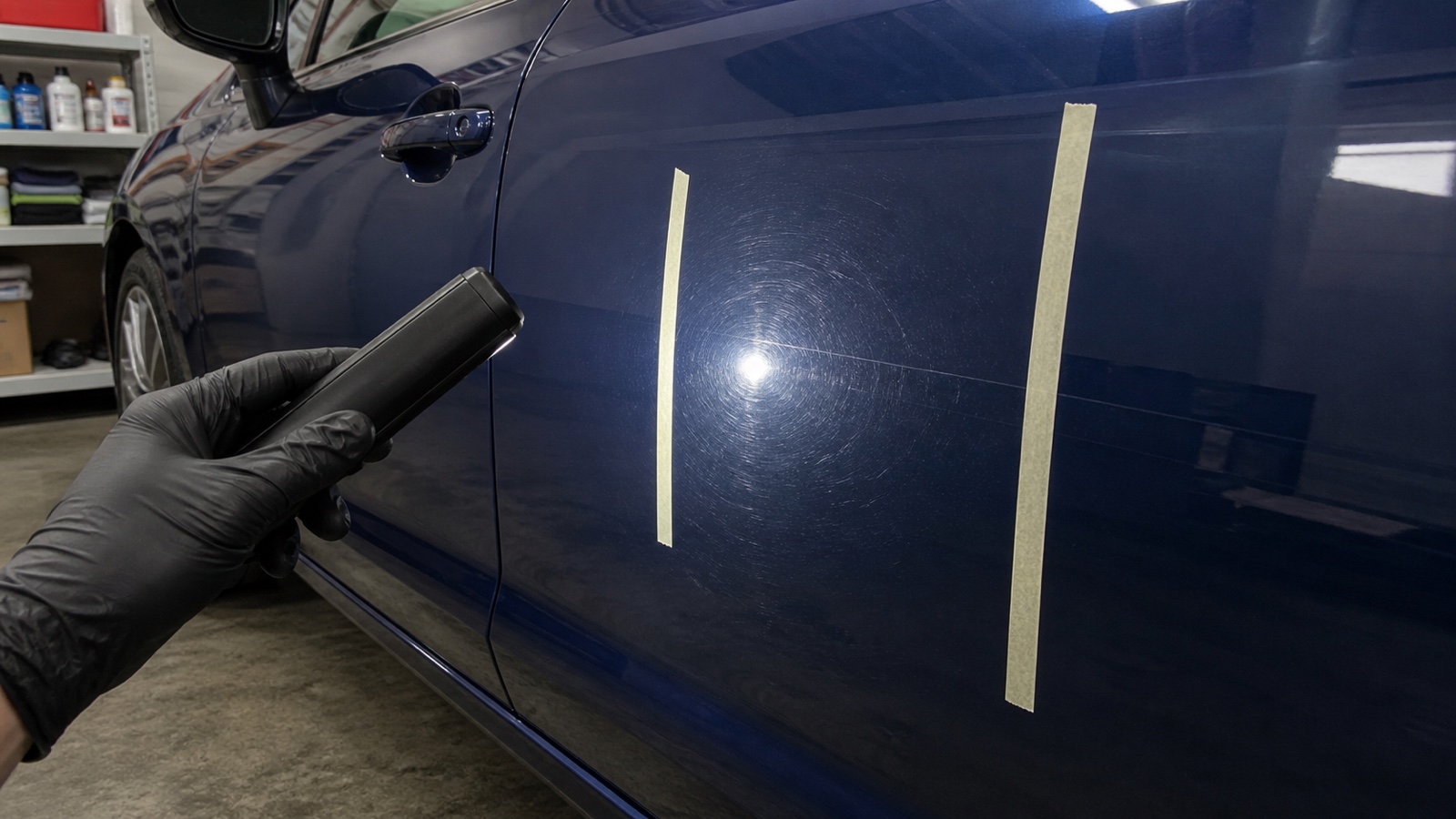
Wash and dry the area properly, inspect it under useful light and check more than one angle. What looks like a scratch may be bonded contamination or transferred material. A deeper line may have passed through the clear coat. Begin with the least aggressive suitable approach and judge a small test section before treating a larger panel.
| What you find | Hand route | Machine route | Practical decision |
|---|---|---|---|
| Good paint that needs a little gloss | Usually a sensible starting point | Optional, not automatically necessary | Use a compatible finishing product and clean applicator. Do not remove more material than the result requires. |
| One small scuff or light mark | Useful for a controlled test section | A compact machine may help when the area and product suit it | Inspect first. Start mild and stop if the mark does not respond as expected. |
| Light swirls across several panels | Possible but slow and difficult to keep consistent | A dual-action format may be the more practical route | Choose machine, pad and polish as one system, then validate them on a test section. |
| Complex curves, narrow trim or tight areas | Useful where a larger pad cannot reach safely | Consider a compatible compact machine and smaller pad | Do not force an oversized pad over edges, badges or narrow surfaces. |
| Deep scratch, missing paint or failing clear coat | Do not chase it with more abrasion | Do not assume extra cut will repair it | Get the defect and repair options assessed. Polish cannot replace paint that is no longer there. |
| Unknown repaint or uncertain paint thickness | Keep the approach conservative | Assessment is the safer next step before correction | Do not treat every panel as if it has the same history or remaining material. |
Inspect before you correct
Polish, compound, wax and paint repair are different jobs
A compound is normally chosen for more corrective work, while a finishing polish is used for lighter refinement. Product names are not perfectly standard, so the current label and instructions matter more than the word on the front. A wax or sealant adds protection and may change how the finish looks, but it does not replace controlled correction.
Look for exposed primer or metal, peeling lacquer, cracked paint, sharp edges and previous repair boundaries. If the defect crosses into missing or unstable paint, neither a hand pad nor a machine can rebuild the coating. That is the point to stop.
For a wider route through compounds, polishes, scratch-remover kits, pads, machines and protection, browse polish, scratch removers and waxes after identifying the job.
Pick the route that matches your job
Hand polishing
Choose this for a small area, modest gloss improvement or a hand-compatible product when you want a simple setup and conservative starting point.
Browse polish and correction productsFull-size dual action
Consider a full-size DA machine for larger panels and broader swirl or haze work when you can prepare properly and match pad, polish and backing plate.
Compare BATOCA T1 and S5 formatsCompact machine or assessment
Use a suitable compact format for small working areas. Choose assessment instead when the damage is deep, the coating is failing or the paint history is unclear.
Compare compact polishersProducts to compare
Machine polisher formats to compare
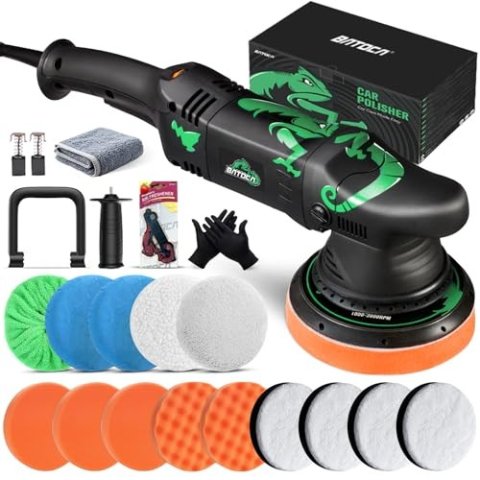 BATOCA T1 Green Dual Action Car Polisher 1100W 5-inch Pad Kit
£69.87
In stock
BATOCA T1 Green Dual Action Car Polisher 1100W 5-inch Pad Kit
£69.87
In stock
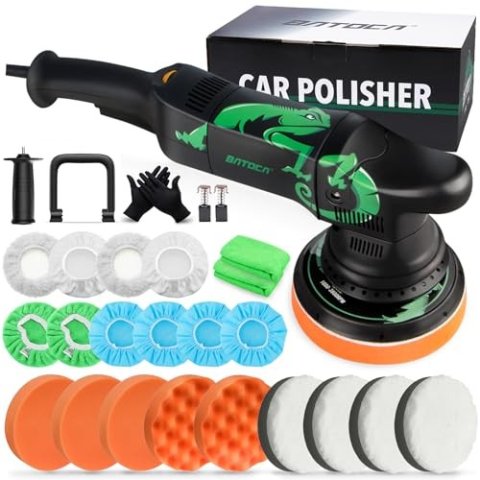 BATOCA Black Dual Action Car Polisher 1100W with 5-inch pads and bonnets
£69.45
In stock
BATOCA Black Dual Action Car Polisher 1100W with 5-inch pads and bonnets
£69.45
In stock
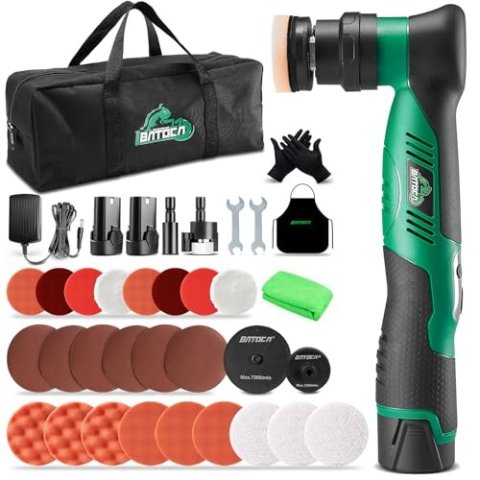 BATOCA S5 Green Cordless Mini Car Polisher, Dual Action and Rotary, 2 x 12V Batteries, 1" and 3" Pads
£89.99
In stock
Save 15%
BATOCA S5 Green Cordless Mini Car Polisher, Dual Action and Rotary, 2 x 12V Batteries, 1" and 3" Pads
£89.99
In stock
Save 15% 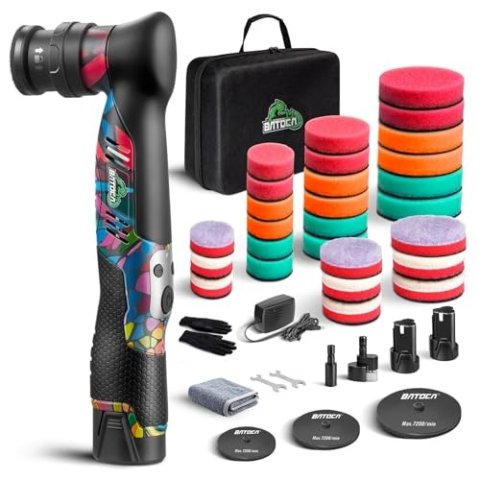 BATOCA S5 Cordless Mini Car Polisher, Dual Action and Rotary, 2026 Colourful Body Design, 2 x 12V Batteries, 1in, 2in and 3in Pad Kit
£76.49
BATOCA S5 Cordless Mini Car Polisher, Dual Action and Rotary, 2026 Colourful Body Design, 2 x 12V Batteries, 1in, 2in and 3in Pad Kit
£76.49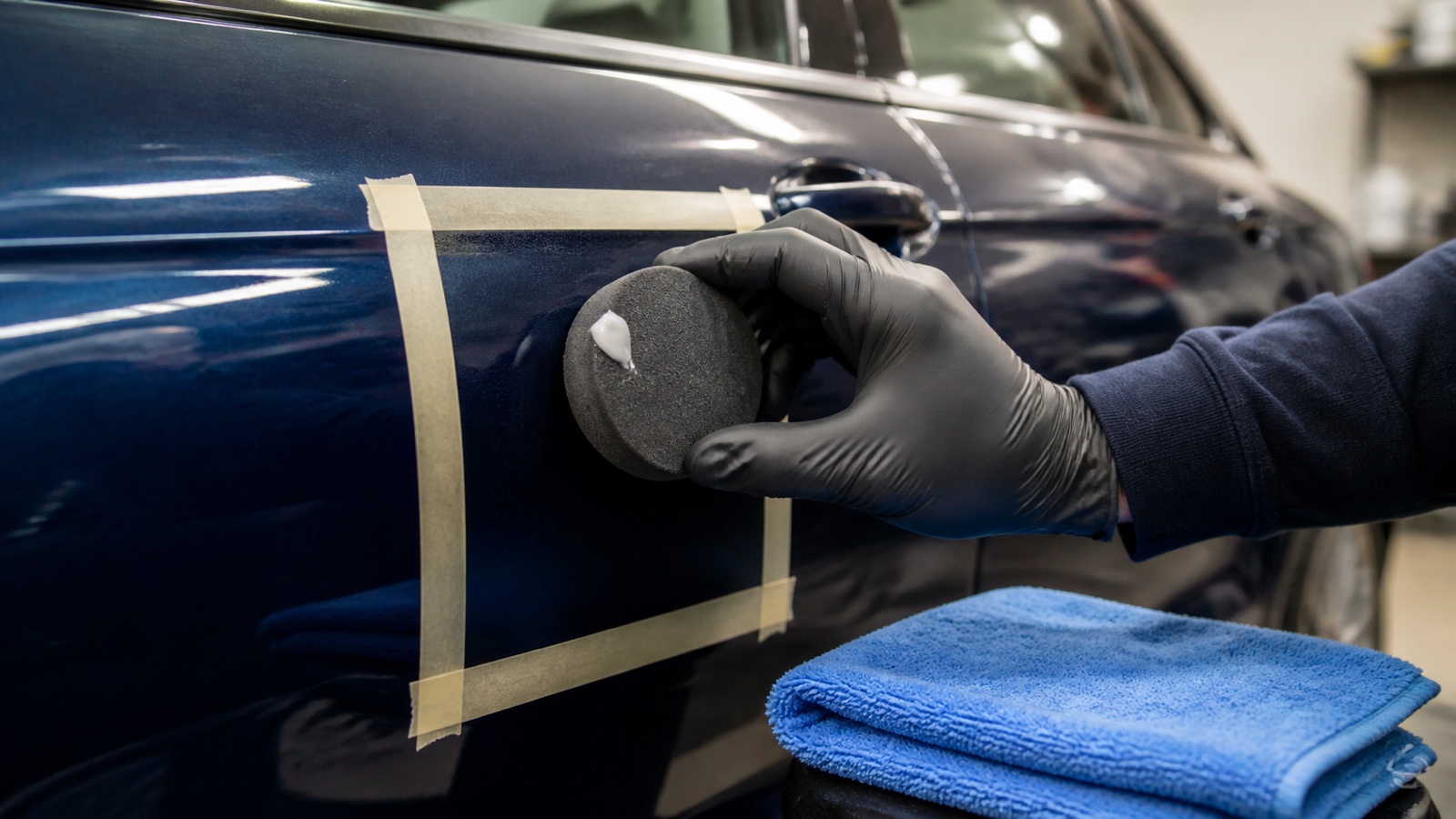
The hand route
Use hand polishing where control and access matter more than speed
A hand applicator is inexpensive, easy to position and useful around small sections a larger machine cannot comfortably reach. It is also a practical way to test a compatible polish before committing to a wider process.
The trade-off is effort and consistency. Pressure, movement and coverage vary as you work, and an entire car can become a long job. Hand polishing is therefore better framed as a light-improvement or targeted route than as a guaranteed way to erase every swirl.
Use a clean applicator, follow the product's hand-application directions and inspect the result before repeating. If repeated work is not improving the defect, stop rather than turning fatigue into extra pressure.
The machine route
A machine makes the work more repeatable, but the pad and polish still set the job
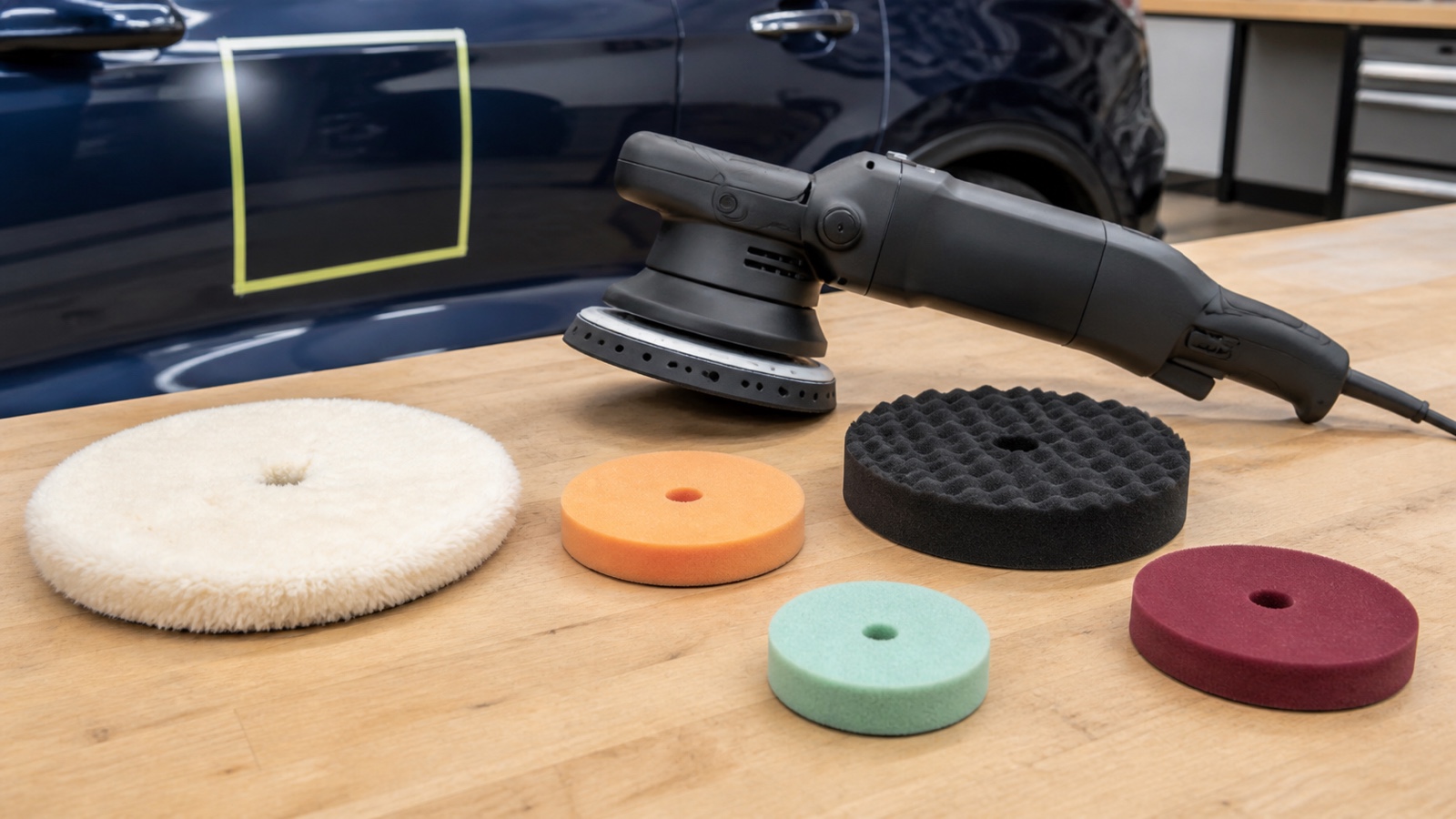
A dual-action polisher can cover larger areas with more consistent movement than a hand applicator. A full-size format suits broad panels, while a compact cordless or mini machine may make sense for pillars, bumpers and tighter sections. Power source and size are workflow decisions, not automatic quality scores.
Check the backing-plate and pad diameters, the pad material and intended polishing stage, the machine instructions and the polish directions. Pad colour is not a universal cutting code. Two sets that use the same colour can assign it a different role.
Keep the pad clean and level on the working area, avoid forcing a large pad across edges and begin with the least aggressive suitable combination. Our BATOCA T1 and S5 buying guide compares working size, power source and kit contents. Once you know your backing plate, use the SPTA pad-size and material guide to compare selected packs. The 5.5- and 6.5-inch foam examples there are not listed for the S5 Black kit's smaller plates.
Hand polishing vs machine polishing at a glance
| Decision | Hand polishing | Machine polishing |
|---|---|---|
| Best fit | Small areas, light refinement, awkward details and simple product application. | Larger panels, broader haze or swirl work and a more repeatable process. |
| Starting kit | Compatible polish, clean hand applicator and clean microfibre towels. | Machine, matching backing plate and pads, suitable polish, clean towels and preparation materials. |
| Time and effort | Simple to start but labour-intensive across larger areas. | More setup and learning, with more consistent work across larger panels. |
| Correction range | Realistic for light improvement and isolated suitable defects. | Potentially more correction, depending on paint, pad, product and technique. |
| Main risk | Uneven pressure, fatigue and chasing a defect that will not respond. | Using the wrong combination, dirty pads, poor edge control or removing more material than intended. |
| Stop condition | Missing paint, failing clear coat, a deep line, uncertain repaint history or a test section that behaves unexpectedly. | |
Check these details before buying or polishing
Paint condition
Inspect clean, dry paint. Separate contamination and light haze from deep scratches, peeling clear coat and missing colour.
Product instructions
Confirm whether the polish supports hand, dual-action or rotary use and follow its application and removal directions.
Pad and plate fit
Match the pad diameter and attachment to the backing plate. Do not buy by colour alone or assume universal compatibility.
Clean preparation
Wash, dry and decontaminate as the process requires. A dirty pad or trapped grit can add marks instead of removing them. If you are checking the wider wash setup first, use the MotorStash car cleaning kit checklist.
Working conditions
Use cool paint and suitable light where practical. Mask or avoid vulnerable trim and take extra care around edges and body lines.
Test and inspect
Prove the mildest suitable combination on a small section. Check the result before increasing the area or aggressiveness.
The pad is part of the decision
Machine choice alone does not determine the result
A full-size DA, compact machine, foam finishing pad and wool pad do not perform the same role. Check physical fit first, then the set-specific pad role and polish compatibility. Keep enough clean pads available for the size of the job rather than trying to finish a whole vehicle with one loaded pad.
Products to compare
Polishes, kits and pad sets to compare
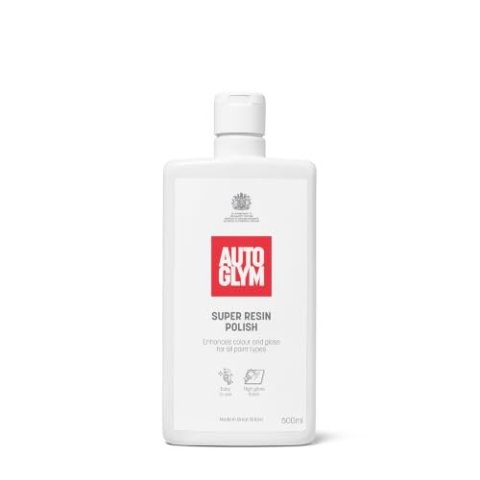 Autoglym Super Resin Polish 500ml
£13.49
Autoglym Super Resin Polish 500ml
£13.49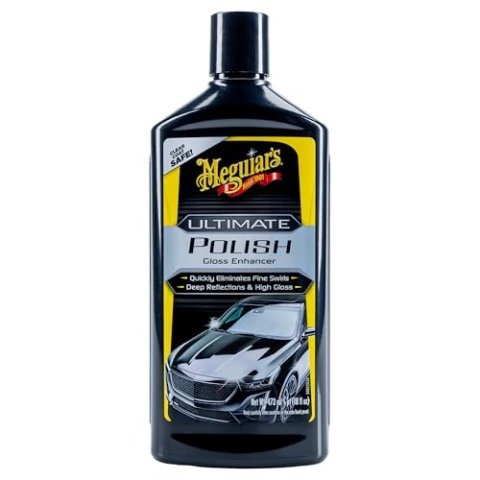 Meguiar's Ultimate Polish Pre-Waxing Glaze 473ml
£16.88
In stock
Save 4%
Meguiar's Ultimate Polish Pre-Waxing Glaze 473ml
£16.88
In stock
Save 4% 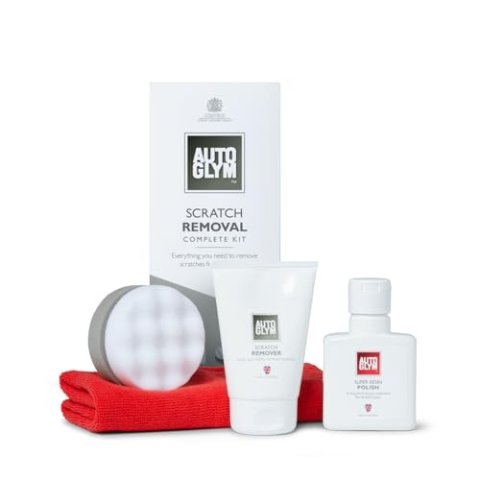 Autoglym Scratch Removal Kit for Car Paintwork, Single Pack
£24.49
Autoglym Scratch Removal Kit for Car Paintwork, Single Pack
£24.49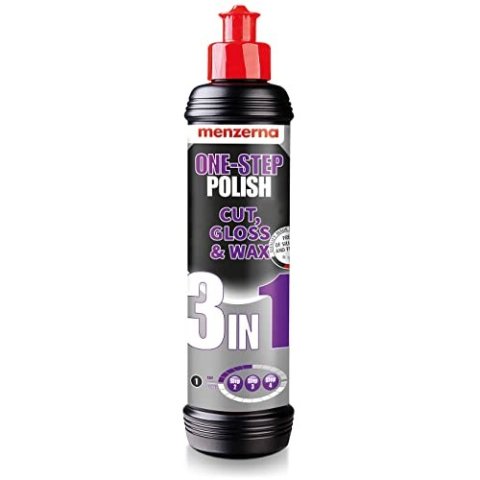 menzerna One-Step Polish 3in1 250ml
£16.95
In stock
Save 15%
menzerna One-Step Polish 3in1 250ml
£16.95
In stock
Save 15% 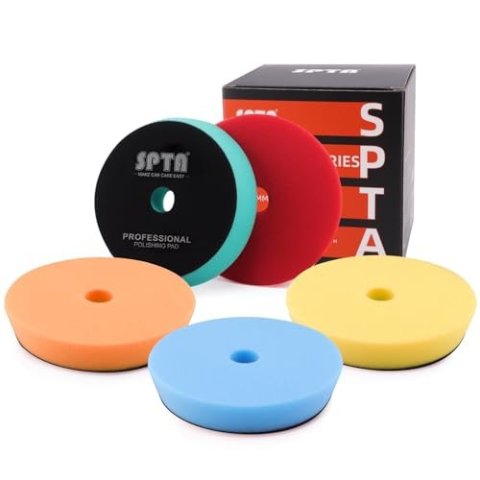 SPTA 5-Piece 125mm Foam Polishing Pad Set for DA/RO Polishers
£22.94
SPTA 5-Piece 125mm Foam Polishing Pad Set for DA/RO Polishers
£22.94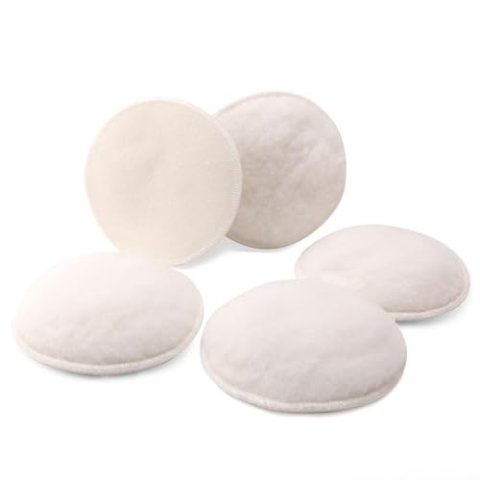 SPTA 150 mm Wool Polishing Pad Set, 5 Pack
£21.46
In stock
SPTA 150 mm Wool Polishing Pad Set, 5 Pack
£21.46
In stock
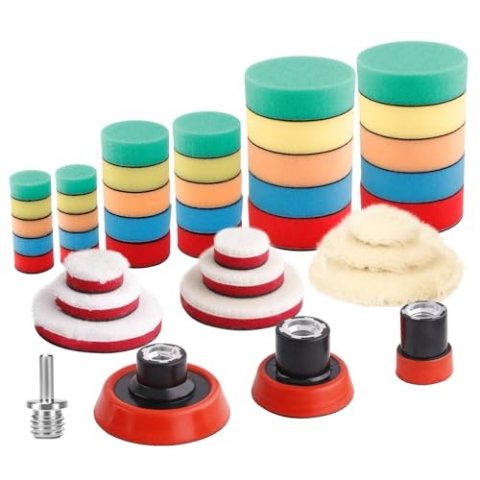 SPTA 36-Piece Polishing Pad Set for Drill with M14 Adapter
£29.99
In stock
SPTA 36-Piece Polishing Pad Set for Drill with M14 Adapter
£29.99
In stock
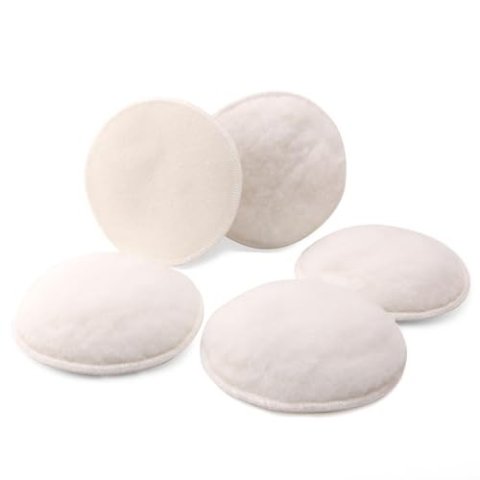 SPTA 125 mm Wool Polishing Pads, 5 Pack, Ultra Fine 80#
£25.26
In stock
SPTA 125 mm Wool Polishing Pads, 5 Pack, Ultra Fine 80#
£25.26
In stock
Use a least-aggressive-first workflow
-
Wash and inspect
Remove loose dirt and contamination, dry the area and inspect the defect under useful light.
-
Choose the goal
Decide whether you want light gloss improvement, targeted mark reduction or broader correction. Do not treat “perfect paint” as the default target.
-
Select a compatible method
Choose hand, full-size machine or compact machine by area, access, experience and the product instructions.
-
Check the full combination
Verify polish, pad material, pad diameter, backing plate and machine mode before they touch the paint.
-
Test a small section
Use the least aggressive suitable setup, clean the residue as directed and inspect the result before continuing.
-
Protect or stop
Apply compatible protection after the correction stage when required. Stop and seek advice if the paint behaves unexpectedly or the defect is beyond polishing.
Hand polishing vs machine polishing FAQs
Is it better to hand polish or machine polish a car?
Hand polishing is a practical route for small areas and light improvement. Machine polishing is more suitable for larger panels and broader correction when the user can prepare, match and control the full setup.
Can hand polishing remove swirl marks?
It may reduce very light defects with a suitable product, but results depend on the paint, defect, applicator and effort. Do not promise full removal, and stop if the test section does not improve safely.
Is a dual-action polisher suitable for a beginner?
A DA format is commonly considered more approachable than a direct rotary process, but it is not risk-free. Read the machine and product instructions, practise controlled technique and start with a mild test combination.
Does wax remove scratches?
No. Wax is primarily a protection step and may temporarily change how fine marks look. It does not replace correction and cannot rebuild missing paint.
Can I use any polishing pad with any machine?
No. Check attachment type, pad and backing-plate diameters, machine compatibility, material and the set-specific cutting or finishing role.
When should I stop polishing a scratch?
Stop when the scratch is deep, another paint layer or substrate is visible, the clear coat is failing, the panel history is uncertain or the test area behaves differently from what the product instructions lead you to expect.